In Japan, one of the most charming and enduring traditions is the belief in the Seven Lucky Gods, known as the Shichi-Fuku-Jin. These figures appear in paintings, carvings, festivals, and modern celebrations. People turn to them not only for blessings of prosperity and health but also as symbols of joy, wisdom and good fortune.
Whether you are curious about Japanese spirituality, fascinated by folklore, or simply want to understand why the number seven is seen as lucky, this blog post explores these gods as an insightful way to discover Japanese culture.
Jump to:
- The Seven Lucky Gods of Japan
- Who Are the Japanese Gods of Fortune?
- Ebisu: God of Good Luck, Fishing, and Commerce
- Daikokuten: God of Wealth, Agriculture, and Prosperity
- Bishamonten: God of Warriors and Protection
- Benzaiten: Goddess of Knowledge, Arts, and Music
- Fukurokuju: God of Longevity, Wisdom, and Happiness
- Jurōjin: God of Longevity and Good Health
- Hotei: God of Happiness, Generosity, and Contentment
- Why Is 7 Lucky in Japan?
- Frequently Asked Questions
- Study Our Religious Studies Diploma for £29
The Seven Lucky Gods of Japan
They’re often depicted sailing together on the Takarabune, or Treasure Ship, especially during New Year celebrations. A picture of the ship placed under your pillow on New Year’s Eve is said to bring auspicious dreams and ensure a fortunate year ahead.
Who Are the Japanese Gods of Fortune?
Here is an overview of the seven gods of fortune, their origins, what they represent, and how they are traditionally depicted.
1. Ebisu: God of Good Luck, Fishing, and Commerce
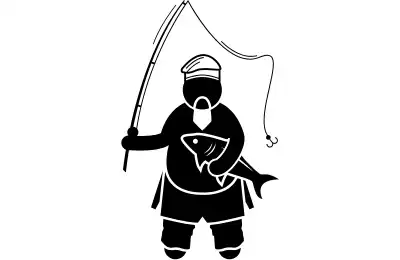
Ebisu is the only one of the seven lucky gods who is entirely Japanese in origin, making him a unique figure within the group. He’s the patron deity of fishermen, merchants, and tradespeople, and is widely admired for his approachable and cheerful nature. His positive presence has made him one of the most beloved of the gods of fortune.
- Symbolises: Prosperity, success in trade, and an abundant supply of food from the sea.
- Appearance: Often depicted smiling warmly, holding a fishing rod in one hand and a large sea bream in the other. The sea bream is a powerful symbol of good fortune in Japan.
2. Daikokuten: God of Wealth, Agriculture, and Prosperity
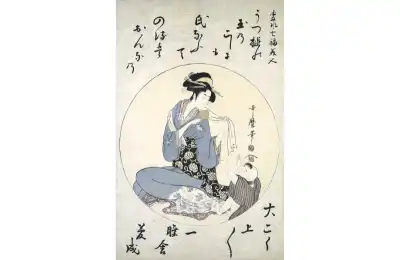
Daikokuten’s origins trace back to Hinduism, where he is linked to Shiva, but his role transformed when he was adopted into Japanese Buddhism. In Japan, he became strongly associated with food, agriculture, and material wealth. He is a favourite deity among shopkeepers and farmers, embodying abundance and financial security.
- Symbolises: Agricultural prosperity, plentiful harvests, financial success, and household wealth.
- Appearance: Shown standing on bales of rice, carrying a magical mallet and a large sack of treasure.
3. Bishamonten: God of Warriors and Protection
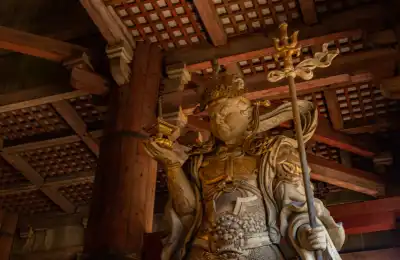
Bishamonten was introduced to Japan through Buddhism and is related to Kubera, the Hindu guardian of wealth. Unlike some of the gentler gods of good luck, he’s a stern figure of justice and defence. Bishamonten protects the righteous, punishes wrongdoers, and offers blessings of strength and security.
- Symbolises: Protection, authority, and victory in battle or conflict.
- Appearance: Depicted in full armour, holding a spear and a pagoda, which represents divine treasure and spiritual authority.
4. Benzaiten: Goddess of Knowledge, Arts, and Music

Benzaiten is the only female among the seven gods of fortune, and she is deeply associated with wisdom, creativity, and all things that flow. She originated as Saraswati, the Hindu goddess of knowledge and rivers, and was later adopted into Japanese Buddhism. Benzaiten inspires artists and creatives, and she embodies eloquence and beauty.
- Symbolises: Artistic talent, music, eloquence, learning, and inspiration.
- Appearance: A graceful figure often shown playing the biwa, a traditional Japanese lute.
5. Fukurokuju: God of Longevity, Wisdom, and Happiness
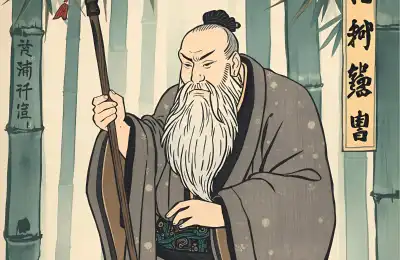
Fukurokuju comes from Taoist tradition and is associated with long life and wisdom. His very name combines three important values: happiness (fuku), wealth (roku), and longevity (ju). He’s respected as a wise elder who grants blessings of health and knowledge.
- Symbolises: Long life, happiness, prosperity, and wisdom.
- Appearance: An elderly man with an elongated forehead, carrying a scroll of teachings and a staff, often accompanied by cranes, turtles, or deer.
6. Jurōjin: God of Longevity and Good Health

Jurōjin also originates from Taoist belief and is closely linked to Fukurokuju. In some traditions, the two are considered different aspects of the same deity, though Jurōjin is usually shown as a separate figure. He is seen as a kind and benevolent god, protecting health and granting blessings of long, peaceful life.
- Symbolises: Vitality, wisdom, long life, and good health.
- Appearance: An elderly man with a long white beard, carrying a staff and scroll, often shown with a deer by his side as a companion symbol of longevity.
7. Hotei: God of Happiness, Generosity, and Contentment

Hotei is perhaps the most recognisable of the seven lucky gods, known outside Japan as the “Laughing Buddha.” Based on a real Chinese monk admired for his joyful nature, Hotei became a symbol of abundance and kindness. His carefree attitude and cheerful appearance make him a favourite deity representing joy and generosity.
- Symbolises: Happiness, generosity, abundance, and childlike joy.
- Appearance: A round, smiling figure with a large belly, carrying a sack filled with treasures, food, and gifts that never run out. He is often shown surrounded by children.
Why Is 7 Lucky in Japan?
The number seven is considered a lucky number in Japan because it appears repeatedly in both spiritual and cultural traditions. Its association with the seven gods of fortune is part of this broader significance. The seventh day after birth is celebrated in families as an important milestone.
In Buddhist practice, memorial services are often held on the 7th, 49th, and 77th days after a death, marking the soul’s journey. The seven stars of the Big Dipper also serve as a guiding symbol in both spirituality and astronomy.
Recommended for you!
Best Sellers




Frequently Asked Questions
Do people still worship the Seven Lucky Gods today?
The Seven Lucky Gods are still celebrated in Japan, and they are especially popular during New Year traditions, when people visit shrines to pray for blessings in the year ahead. Many towns also hold a Shichi-Fuku-Jin Meguri, a pilgrimage route where visitors stop at shrines dedicated to each of the seven deities.
Are the Seven Lucky Gods worshipped together or separately?
While the gods are often depicted as a group, each one also has individual shrines and temples where people pray for specific blessings. For example, merchants may honour Ebisu for success in trade, while artists often turn to Benzaiten for inspiration.
Why are the Seven Lucky Gods sometimes shown on a treasure ship?
The group is commonly pictured sailing on the Takarabune, or Treasure Ship. This ship is filled with magical items and sacred treasures. It’s said to arrive at the start of the New Year, bringing luck and fortune with it. Images of the ship are sometimes placed under pillows on New Year’s Eve to bring lucky dreams.
Are the Seven Lucky Gods unique to Japan?
The group as a whole is unique to Japan, but several of the deities have origins in other cultures. Benzaiten, Daikokuten, and Bishamonten came from Hindu and Buddhist traditions, while Fukurokuju and Jurōjin originated in Chinese Taoism. Ebisu is the only one who is entirely Japanese in origin.
Is there a specific order to the Seven Lucky Gods?
No official order exists, although certain traditions place Ebisu first because he is the only fully Japanese deity in the group. In art and festivals, the gods are often arranged in a way that balances their different qualities, rather than in a strict sequence.
Do the Seven Lucky Gods have festivals of their own?
Many shrines dedicated to the gods hold annual festivals. Ebisu festivals are especially popular in fishing and merchant communities. Benzaiten is often celebrated at water shrines or during music and arts events, while Daikokuten features in harvest and prosperity festivals.
Study Our Religious Studies Diploma for £29
If this introduction to the seven gods of fortune has inspired you to explore more about spiritual traditions, mythology, and world religions, you can study them in depth with the Religious Studies Diploma Course at Centre of Excellence. For a limited time, you can enrol for just £29.