
Among the many deities in Hindu Mythology, Saraswati is one of the most graceful and thought-provoking; she is the goddess of learning, music, and wisdom. If you’re curious about the significance of Goddess Saraswati and want to learn about her stories and powers, you’ve come to the right place.
This blog explores the myths and symbolism of this inspiring deity, providing a deeper understanding of her role in Hindu culture and explaining why she is still worshipped today.
Jump to:
- What is Saraswati in Hindu Mythology?
- Saraswati’s Myths
- The Role of Saraswati in Hindu Storytelling
- What Powers Did Saraswati Possess?
- Symbols Associated with Saraswati
- Saraswati’s Lineage and Connections
- Why Is Saraswati Special?
- Saraswati in Modern Culture
- Saraswati’s Worship and Legacy
- Frequently Asked Questions About Saraswati
- Study Our Hindu Mythology Diploma for £29
Recommended for you!
Best Sellers




What is Saraswati in Hindu Mythology?
In Hindu mythology, Goddess Saraswati, also called Sarasvati, is the divine personification of knowledge, creativity, and eloquence. Her name comes from Sanskrit, meaning “she who flows,” linking her to the flow of ideas, speech, and inspiration. She is usually portrayed in flowing white robes, seated on a white lotus or riding a swan, which symbolises purity and discernment. Unlike deities who are closely tied to worldly desires, Saraswati is celebrated for her detachment from material distractions. She embodies the belief that learning is sacred and that wisdom has the power to transform lives.
Saraswati is also part of the Tridevi, the trio of goddesses who represent essential aspects of existence: Lakshmi embodies wealth, Parvati represents power, and Saraswati symbolises knowledge. Together, they highlight the balance of prosperity, strength, and wisdom in human life.
Saraswati’s Myths
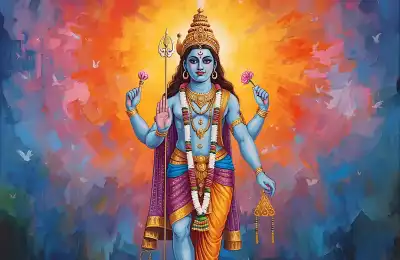
The myths surrounding Saraswati are not as violent or dramatic as those of other gods and goddesses, but they carry deep meaning.
One of the most well-known stories links Saraswati and Brahma. In some traditions, Saraswati is said to have been born from Brahma’s mind during the creation of the universe. Captivated by her intelligence and beauty, Brahma wished to marry her. Symbolically, their union represents the coming together of creation (Brahma) and knowledge (Saraswati). Without wisdom, creation would be incomplete. However, many Hindus regard this story with some discomfort, and Saraswati is most often honoured independently, without reference to this marriage.
Other myths connect Saraswati with Vishnu. In certain regional traditions, Vishnu is described as marrying Saraswati alongside Lakshmi to symbolise that preservation (the role of Vishnu) requires both wealth (Lakshmi) and wisdom (Saraswati). These accounts vary across regions and are not considered part of mainstream Hindu belief.
There are also stories where Saraswati and Lakshmi, the goddess of wealth, quarrelled. In one tale, Saraswati cursed Lakshmi, showing that wealth without wisdom can lead to unhappiness. This legend addresses a simple truth: material riches alone are not enough if one does not know how to use them wisely.
Similarly, in some traditions, Saraswati clashed with Ganesha, the remover of obstacles, which led to him cursing her. Such myths portray the gods as relatable figures, experiencing disagreements that echo human conflicts while teaching moral lessons.
The Role of Saraswati in Hindu Storytelling
In Hindu stories and scriptures, Saraswati is not a figure of punishment or battle but of inspiration. She is often invoked as Vak Devi, the goddess of speech, believed to gift poets and scholars with the ability to express themselves. Many Hindu texts begin with prayers to Saraswati, asking her to grant clarity of thought before sacred verses are recited or written down.
Her role in storytelling is less about physical presence and more about influence. When a character finds wisdom, clarity, or the gift of expression, it is often seen as Saraswati’s blessing. She represents the belief that learning and language themselves are divine, and that the pursuit of knowledge is a spiritual journey.
What Powers Did Saraswati Possess?
The powers of Saraswati are plentiful. She grants wisdom to those who seek it, offering clarity of thought that helps distinguish truth from illusion. As the goddess of speech, she inspires eloquence, enabling words to flow in a way that touches hearts and communicates truth. She is also the divine source of creativity, giving musicians, poets, and artists the inspiration to create works that uplift and inspire.
Students often turn to her for help in their studies, believing that her blessings can improve focus, memory, and understanding. For this reason, prayers to Saraswati are common before exams or new learning projects. Many recite the powerful mantra of Saraswati, Om Aim Saraswatyai Namah, to invite her guidance. Beyond the academic, her powers are believed to elevate spiritual growth by guiding the mind away from ignorance and towards enlightenment.
Symbols Associated with Saraswati

Every image of Saraswati carries rich symbolism. Together, these symbols show how true learning is a balance of discipline, beauty and clarity.
- Veena: The stringed instrument she holds represents harmony and the balance between knowledge and art.
- White lotus: The white lotus she often sits on symbolises enlightenment, rising above the murky waters of ignorance to bloom in purity.
- Swan: Signifies wisdom, as it is believed to have the ability to separate milk from water, just as Saraswati helps separate truth from falsehood.
- Peacock: While its beauty is undeniable, it also symbolises vanity and pride, reminding devotees that the pursuit of knowledge must remain free from arrogance.
- White sari: Representing purity, clarity, and a life unencumbered by excess.
Saraswati’s Lineage and Connections
In most stories, Saraswati is linked to Brahma, but in worship, she is usually honoured on her own. Some traditions suggest that Saraswati is the daughter of Durga, but mainstream Hinduism treats Saraswati as an independent goddess.
In some Shakti beliefs, all goddesses are seen as forms of one great divine mother, so Saraswati can be viewed as an aspect of Parvati. In other traditions, however, she stands alone with her own distinct identity. Astrologically, Saraswari is linked with Jupiter. Jupiter is considered the planet of wisdom, expansion, and spiritual growth, making it a natural association for the goddess of learning.
Why Is Saraswati Special?
What makes Saraswati unique is her dedication to knowledge and creativity above all else. Lakshmi is revered for wealth and prosperity, Parvati for strength and devotion, but Saraswati is celebrated for wisdom, art, and truth. This focus sets her apart and explains why she is particularly beloved by students, teachers and artists.
Her festival, Vasant Panchami, marks the arrival of spring and is dedicated to her. On this day, people wear yellow or white, offer prayers with books and instruments, and celebrate learning in all its forms.
Saraswati in Modern Culture
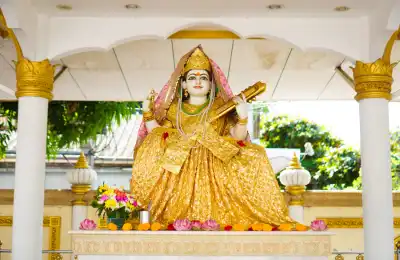
The influence of Saraswati extends far beyond ancient texts. In India today, schools and universities honour her with ceremonies, recognising the sacredness of learning. Her festival is widely celebrated, especially in northern and eastern India. In Bali, Indonesia, there is a festival called Saraswati Day where books and tools of learning are blessed in her honour.
Artists and musicians continue to view her as their muse, and her symbolism is used in modern contexts to stress the importance of education and creativity.
Saraswati’s Worship and Legacy
Devotees of Saraswati worship her to gain focus, insight, and success in their studies and creative work. During Vasant Panchami, people place books, pens, instruments, and computers near her image, asking for her blessings. Teachers and students alike look to her for guidance, and she is remembered before important tasks involving learning or creativity.
Her legacy is both spiritual and cultural. She is remembered as a gentle guide who opens the mind and nurtures the arts. Through her myths and symbols, Saraswati continues to influence how people view knowledge.
Recommended for you!
Best SellersFrequently Asked Questions About Saraswati
Is Saraswati considered the daughter of any other deity?
While some folk traditions suggest Saraswati may be the daughter of Durga, most mainstream Hindu texts describe her as an independent goddess. She’s often depicted as self-born or emerging from Brahma, highlighting her unique role as the embodiment of knowledge.
Are Parvati and Saraswati the same goddess?
In certain philosophical traditions, all goddesses are considered different forms of the Divine Mother, which means Saraswati and Parvati can be seen as aspects of the same ultimate energy. However, Saraswati is generally treated as a distinct deity, focusing specifically on wisdom, speech, and the arts, while Parvati represents power, devotion, and nurturing energy.
What is the powerful mantra of Saraswati?
One of the most widely used mantras to invoke her blessings is Om Aim Saraswatyai Namah, which translates as “I bow to Goddess Saraswati, the embodiment of wisdom, knowledge, and learning.” Chanting this mantra is believed to enhance knowledge, improve memory, and inspire creativity and clarity in speech.
Is Saraswati worshipped only by students and artists?
While she is especially revered by students, teachers, writers, and musicians, Saraswati’s blessings are considered beneficial to anyone seeking clarity, insight, or creative inspiration. Many families also offer prayers to her during important beginnings, such as starting new studies, writing, or creative projects.
Does Saraswati have any connection to astrology?
Saraswati is often associated with the planet Jupiter, which represents knowledge, wisdom, and spiritual growth in Hindu astrology. Jupiter’s influence complements her role as the goddess of learning and insight.
Is Saraswati considered good or evil?
Saraswati is wholly benevolent. Unlike some deities who may be feared or associated with destruction, Saraswati is nurturing and supportive in nature.
What are some lesser-known forms or aspects of Saraswati?
Beyond her well-known depictions, Saraswati is sometimes portrayed in various regional forms, emphasising different aspects of learning and creativity. In some traditions, she is associated with meditation, memory, or specific arts, illustrating that knowledge is multi-dimensional and not limited to books or speech.
Study Our Hindu Mythology Diploma for £29
If learning about Saraswati has sparked your interest, you may wish to explore Hindu mythology more deeply. The Hindu Mythology Diploma Course with Centre of Excellence is the perfect way to do this. For just £29, you can gain structured knowledge about gods and goddesses, their myths, powers, and cultural influence.




