
Taking your dog out for a walk should be one of the highlights of the day, a chance for fresh air and gentle exercise. Yet for many owners, lead pulling is one of the most common challenges.
The good news is, this is not something you have to put up with. Whether you are figuring out how to teach a puppy not to pull on the lead or helping an older dog learn better habits, the same gentle, consistent strategies can make a world of difference. With time and the right approach, you can transform daily walks into calm, enjoyable experiences.
Jump to:
- Why Do Dogs Pull on the Lead?
- Do Dogs Grow Out of Lead Pulling?
- Setting Yourself Up for Success with the Right Equipment
- 5 Steps to Stop Your Dog Pulling on the Lead
- How to Stop a Puppy from Pulling on the Lead
- What to Do If Your Dog Keeps Pulling
- Why Positive Reinforcement Works Best
- Frequently Asked Questions
- Study Our Dog Training Diploma for £29
Recommended for you!
Best Sellers

Why Do Dogs Pull on the Lead?
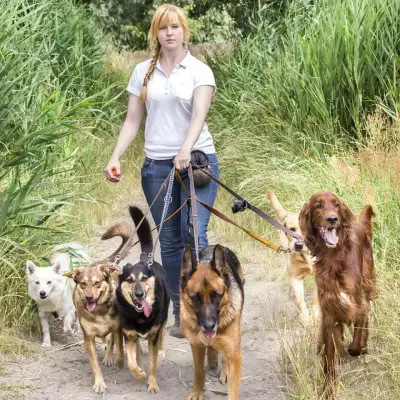
Dogs pull because it works. If pulling gets them closer to the park, a tree, another dog, or a fascinating smell, they learn that pulling gets results. Each time they succeed in moving forward while tugging, the behaviour is reinforced. Walking calmly by your side is not a behaviour dogs are born knowing, it’s something they must be taught.
Excitement plays a major role in lead-pulling. Imagine being cooped up indoors and then suddenly stepping outside into a world of scents, sounds, and moving objects. Many dogs become overstimulated and rush ahead, forgetting all about the human at the other end of the lead. Puppies in particular are full of energy and curiosity, which is why training a puppy not to pull on the lead from the start is so important.
Some dogs also pull more because of their breed traits; for example, strong working breeds are bred to pull sledges and carts.
Do Dogs Grow Out of Lead Pulling?
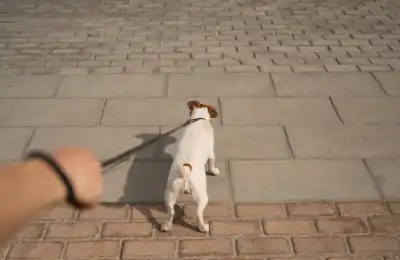
While older dogs might become less energetic, the habit of pulling remains, unless corrected. In fact, the longer a dog spends rehearsing the behaviour, the harder it becomes to change. That’s why it’s best to start training your dog not to pull as soon as possible, even if that means focusing on short, calm sessions with a lively puppy.
Setting Yourself Up for Success with the Right Equipment
Your choice of equipment can make a big difference when training your dog to stop pulling on the lead.
- Harness: A standard collar may put pressure on your dog’s neck if they pull against it. A well-fitted harness is often the safer choice, particularly one with a clip at the front of the chest. This design gently redirects the dog back towards you when they lunge forward, making it harder for them to throw their full weight into pulling.
- Lead: A sturdy, non-extendable lead of about 1.2 to 1.5 metres is usually the most effective. Extending or retractable leads may seem convenient, but they encourage the dog to keep tension on the lead since they are rewarded with extra space whenever they pull. A fixed lead provides clear feedback and makes consistent training possible.
5 Steps to Stop Your Dog Pulling on the Lead
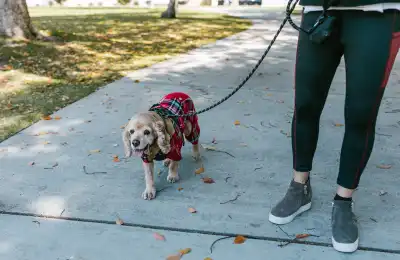
Here are the main principles for teaching your dog not to pull, giving you a solid foundation to build good walking habits:
1. Begin with Calmness
Before you step outside, pause for a moment. If your dog is leaping around with excitement as you pick up the lead, wait until they calm down. Only when they are sitting or standing calmly should you clip the lead on and head out. This simple step sets the tone for the entire walk. It also teaches your dog that calm behaviour is what earns them the reward of going outside.
2. Use the “Stop and Stand” Method
One of the most effective ways of training a dog not to pull when walking is to stop moving the instant the lead tightens. Do not yank or shout; simply stand still. When the dog looks back at you or slackens the lead, praise them warmly and begin walking again. It may take a lot of repetition, but gradually your dog learns that pulling gets them nowhere, while a loose lead gets them moving forward.
3. Reward Walking by Your Side
Carry small treats that your dog loves. Every time they walk nicely beside you, reward them. This teaches them that being close to you is worthwhile. Over time, they begin to see loose-lead walking as the most rewarding option. If your dog is not particularly food-motivated, use verbal praise, gentle strokes, or a favourite toy as alternatives.
4. Practice Changing Direction
If your dog pulls on the lead when walking, change direction calmly. This makes the walk less predictable and encourages your dog to pay attention to you. At first, it may feel like you are zig-zagging around the pavement, but the more you practice, the more your dog learns to keep their focus on you rather than rushing ahead.
5. Train in Easy Environments First
If your dog is very excitable, don’t head straight for the busiest park. Begin indoors, in your garden, or in a quiet street. A few steps of calm walking in a distraction-free environment help establish the rules before testing them in more stimulating places.
How to Stop a Puppy from Pulling on the Lead
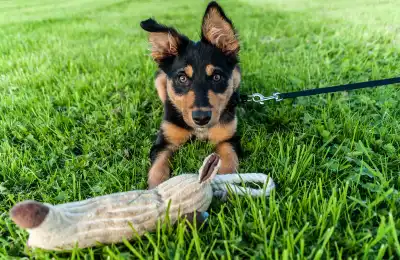
When it comes to puppies, the same rules apply, but patience is even more important. Puppies have short attention spans and lots of energy, so keep sessions brief and positive. Focus on just a few steps of calm walking and gradually extend the distance.
It’s also worth remembering that puppies need plenty of opportunities to sniff and explore. Allowing time for “sniff breaks” during walks helps reduce frustration. Alternate between short stretches of focused training and moments where your puppy can wander and investigate with a little more freedom, as long as the lead stays slack.
What to Do If Your Dog Keeps Pulling
You may feel disheartened if you’ve been practising and your dog keeps pulling on the lead despite your best efforts. This is where consistency and patience come in. Every time you allow your dog to pull and still move forward, the behaviour is reinforced.
It can also help to burn off some energy before training sessions. If your dog is especially lively, a short game of fetch in the garden or some food puzzle toys indoors can take the edge off. A slightly tired dog is more capable of concentrating and walking calmly by your side.
Why Positive Reinforcement Works Best
It can be tempting to rely on corrective tools that may seem effective in the short term, but they can cause discomfort and fear, which damages your bond with your dog. Positive reinforcement, on the other hand, builds trust and motivates your dog to make the right choices because they enjoy the process. Rewarding calm walking helps teach your dog that you are worth paying attention to. This makes walking more of a partnership rather than a battle of wills.
Recommended for you!
Best SellersFrequently Asked Questions
How long does it take to stop a dog pulling on the lead?
Some dogs grasp the idea of loose-lead walking within weeks, while others may take months of consistent training. The important thing is to remain patient and avoid rushing. Every small improvement is a step forward, and with steady practice, most dogs make noticeable progress.
What should I do if my dog pulls more around other dogs or people?
If your dog pulls towards distractions, try increasing the distance between you and the trigger until your dog can remain calm. Use high-value treats to keep their attention on you, rewarding them for checking in with you rather than lunging forward. Over time, gradually reduce the distance as your dog becomes more comfortable.
Can lead pulling cause health problems for dogs?
Constant pulling can put pressure on a dog’s throat if they’re wearing a collar, leading to coughing, gagging, or, in extreme cases, damage to the trachea. This is one of the reasons many owners prefer front-clip harnesses, which spread pressure more safely across the chest.
What if my dog only pulls at the start of the walk?
Many dogs pull hardest at the beginning of a walk when their energy and excitement are highest. One way to manage this is by giving your dog a short play session or brain game before the walk, so they’re calmer when you leave the house. Another is to pause frequently near home, waiting until the lead slackens before moving on. Over time, your dog will learn that racing ahead doesn’t actually get them anywhere faster.
Should I train my dog every day?
Short daily sessions will help reinforce the habit of calm walking. If you skip training regularly, your dog may revert to pulling because it’s what they’ve always done. Think of it as building muscle memory; daily practice cements the behaviour you want.
How can I make walks enjoyable while training?
Mix in games such as changing direction, asking your dog to “find it” with treats scattered in the grass, or rewarding them for eye contact. Making training fun keeps your dog engaged and strengthens your bond, so that learning to walk nicely feels like a positive experience rather than a restriction.
Study Our Dog Training Diploma for £29
If you want to build your skills and confidence even further, the Dog Training Diploma Course with Centre of Excellence offers expert knowledge and practical guidance on a wide range of training topics. Right now, you can enrol for just £29, giving you the tools to support your dog’s learning and deepen your understanding of canine behaviour.




