In Hindu mythology, one of the most fascinating and powerful figures is Yama, the god of death. If you're curious about the significance of Yama and want to learn about his stories and powers, you've come to the right place.
This blog explores the myths and symbols of this intriguing deity, providing a clearer understanding of his place in Hindu culture.
Jump to:
- Who is the Hindu God Yama?
- Yama’s Myths
- The Role of Yama in Hindu Storytelling
- What Powers Did Yama Possess?
- Symbols Associated with Yama
- Yama's Lineage and Connections
- Why Is Yama Special?
- Yama in Modern Culture
- Yama’s Worship and Legacy
- Frequently Asked Questions About Yama
- Study Our Hindu Mythology Diploma for £29
Recommended for you!
Best Sellers



Who is the Hindu God Yama?
Yama is the Hindu god of death, often depicted as a fearsome figure responsible for maintaining the balance of life and death in the universe. Yama represents the inevitable reality of death, but also the necessity of it in the cycle of life. He rules over the realm of the dead, guiding souls to their next destination based on their actions in life, a concept known as karma.
Yama’s role is critical in Hinduism, as he ensures that each soul receives the appropriate afterlife based on the deeds they committed during their lifetime. In some depictions, Yama is shown riding a buffalo and holding a noose, symbolising his ability to catch the souls of the deceased and lead them to their final destination.
Yama’s Myths
Yama's myths offer insight into his role as the god of death and a wise judge of souls. Here are two well-known stories that highlight his power and impartial nature:
The Tale of Sage Markandeya
One of the most famous myths involving Yama is the tale of the sage Markandeya. Markandeya was destined to die young, but after a series of spiritual practices and intense devotion to Lord Shiva, he was granted immortality. Yama came to take his soul, but Shiva intervened, saving Markandeya from death. This story highlights Yama’s role as the god who has the power to end lives, but also the idea that death can be transcended through devotion.
Yudhishthira’s Encounter with Yama
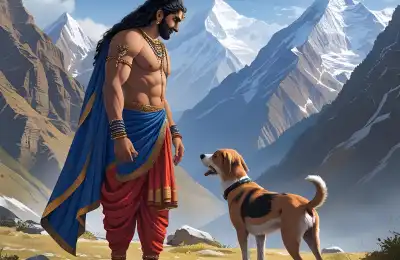
Another well-known myth is the story of Yudhishthira, the eldest of the Pandavas, in the Mahabharata. Yudhishthira encountered Yama, who disguised himself as a dog, while journeying to the Himalayas. Yudhishthira's interaction with Yama reflects the god’s role as a fair judge and highlights the importance of righteousness. These myths depict Yama not as an evil force, but as a necessary part of the cosmic order, guiding souls based on their deeds.
The Role of Yama in Hindu Storytelling
Yama’s role in Hindu storytelling is integral to understanding the cycle of life and death. He serves as a reminder that death is an inevitable and natural part of existence. In many Hindu texts, Yama appears as a figure who brings balance to the universe, ensuring that the natural order is maintained.
Yama is also seen as a teacher of important moral lessons. In the Mahabharata, for example, he tests the righteousness of Yudhishthira, teaching him the value of truth, justice, and selflessness. This interaction shows that Yama is not just a god of death, but a divine figure with wisdom and insight into the workings of the universe.
What Powers Did Yama Possess?
Yama’s powers are vast, centred around his dominion over life and death and his role in the cycle of existence in Hindu mythology:
- Control Over Life and Death: Yama has the authority to take the souls of the departed and guide them to their afterlife. His power lies in ensuring the smooth transition of souls, taking them to the appropriate realm based on their deeds (karma) during life.
- Impartial Judge of Souls: Whether rewarding souls with heaven, sentencing them to hell, or reincarnating them, Yama’s judgement is rooted in fairness, making him a figure of justice within the Hindu belief system.
- Guardian of Samsara: Yama’s power is essential in maintaining the cycle of birth, death, and rebirth (samsara). His authority ensures that the natural order of life is preserved, balancing life and death and ensuring the continuation of the universe through reincarnation and karma.
- Moral and Spiritual Oversight: Yama’s role also includes maintaining spiritual order. His function as a judge highlights the importance of ethical behaviour and living a life according to the principles of karma. Yama's powers influence how souls navigate the consequences of their actions, reinforcing the importance of righteousness and moral conduct in life.
Symbols Associated with Yama
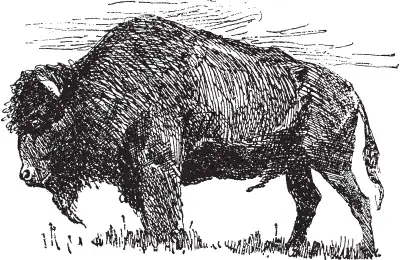
Symbols associated with Yama reflect his authority over death, his role as a judge, and his powerful presence in the afterlife:
- The Noose: The most prominent symbol linked to Yama is the noose, which he uses to capture souls. This noose represents the unbreakable bond between the soul and its karma, signifying that every soul is bound by the consequences of its actions. Yama’s ability to capture souls with the noose highlights his power over life and death.
- The Buffalo: Yama is often depicted riding a buffalo, a symbol of his dominion over the underworld. The buffalo represents his control over the journey of souls, guiding them through the afterlife. It underscores his powerful role as the god who oversees the passage from life to death and beyond.
- The Mask: In some depictions, Yama is shown wearing a mask, symbolising his impartial nature. The mask signifies that Yama judges all souls without bias, based purely on their deeds in life. This representation highlights his fairness and detachment, as he operates as a neutral judge, unaffected by personal emotions.
- Royal Attire: Yama is often depicted in royal attire, emphasising his status as the lord of the afterlife. His stern and imposing figure, adorned with regal garments, reflects his authority and power. The attire serves as a visual reminder of his high position in the cosmic order and his commanding role in overseeing the balance of life and death.
Yama's Lineage and Connections
Yama’s origins are traced back to the Vedic texts, where he’s first introduced as the ruler of the dead. He is the son of the Sun God, Surya, and the sister of Yami, a river goddess. This makes Yama a figure of both light and darkness, symbolising the balance between life and death. His connection to the sun also suggests his role in the cosmic order, as he ensures the proper flow of time and the cycles of existence.
Yama’s family also includes his wife, Vibhuti, who represents prosperity and wealth, though she is not as commonly mentioned in stories. In some texts, Yama is connected to other deities such as Yudhisthira and the god of justice, Dharma, as they share similar qualities related to righteousness and moral order.
Why Is Yama Special?

Yama holds a unique place in Hindu mythology. He’s often seen as a necessary force who ensures that each soul receives its due according to its actions. His impartial nature and wisdom make him an important figure in Hindu teachings about karma and the afterlife.
Yama is also significant because he is one of the few deities who directly interacts with the souls of the deceased, acting as both judge and guide. His role highlights the Hindu belief in the importance of living a righteous life and the idea that death is not to be feared but accepted as a natural part of existence.
Yama in Modern Culture
Although Yama is not widely worshipped in the same way as other Hindu gods, his influence is still felt in modern culture. His image as the god of death continues to appear in religious rituals and funeral rites, where people seek his blessing for a peaceful afterlife. Yama’s role as a judge also resonates in contemporary discussions about morality and justice, making him a timeless figure in Hindu culture.
In popular media, Yama often appears as a figure of authority, sometimes depicted as a stern ruler or judge of the afterlife. His character has also been incorporated into various forms of art, literature, and films, such as the 2009 Bollywood film Yamla Pagla Deewana, where Yama is depicted in a humorous light, and the 2010 Indian animated film Koochie Koochie Hota Hai, where he is shown as a character guiding souls.
Yama’s Worship and Legacy
While Yama is not commonly worshipped in the same manner as other gods, there are still rituals and prayers dedicated to him in Hindu tradition. In certain regions of India, people perform rites to honour their ancestors, hoping to appease Yama and ensure a favourable afterlife for their loved ones. These rituals are an expression of respect for the god of death and an acknowledgement of his role in the cycle of life.
Yama’s legacy can also be seen in the way he has influenced other religious traditions, such as Buddhism, where he is similarly viewed as the god of death. His figure continues to inspire both spiritual reflection and artistic interpretation, making him a lasting symbol in Hindu mythology.
Recommended for you!
Best SellersFrequently Asked Questions About Yama
Who killed Yama?
In Hindu mythology, Lord Yama is not killed by anyone. He is an immortal deity, and his role as the god of death is eternal. However, in certain stories, such as the tale of Markandeya, Yama’s attempts to take a soul are thwarted by divine intervention, but he is never killed.
Is Yama stronger than Shiva?
While Yama holds great power over death, Shiva, the god of destruction, is generally considered more powerful in Hindu mythology. Shiva's role in the cosmic order involves not only the destruction of the universe but also its recreation. Yama’s authority is more focused on the realm of the dead and ensuring that souls are properly judged.
Is Yama good or evil?
Yama is neither purely good nor evil. In Hindu mythology, he represents a necessary force in the cycle of life and death. He‘s an impartial judge, ensuring that souls are sent to the appropriate afterlife based on their karma. While he is a god of death, his role is not to harm but to maintain cosmic balance and justice.
Are Yamraj and Shani the same?
Yamraj and Shani are different deities in Hinduism. While both are associated with justice and punishment, their roles are distinct. Yamraj is the god of death and the ruler of the afterlife, while Shani is the god of karma and the planet Saturn, who brings consequences based on your actions during life. They may work together in administering justice, but they have separate domains.
Is there a way to avoid Yama’s judgement?
In Hindu mythology, no one can avoid Yama’s judgement, as death is an inevitable part of life. However, people who lead righteous lives and accumulate positive karma are believed to receive a favourable judgement in the afterlife, such as being granted a place in heaven or rebirth into a better life.
Is Yama depicted differently in various regions of India?
Yama is depicted in different ways across India. While his core attributes remain the same, the way he is portrayed can vary based on regional traditions and local beliefs. In some regions, Yama’s role may be emphasised more in death rituals, while in others, he may be associated with particular local deities or stories.
Study Our Hindu Mythology Diploma for £29
If you’re intrigued by Yama and other fascinating figures in Hindu mythology, consider enrolling in the Hindu Mythology Diploma Course at Centre of Excellence. This comprehensive course delves into the rich stories, gods, and legends of Hinduism, including Yama’s significant role in the cosmic order. By signing up today, you can get the course for a discounted price of just £29!