For the ancient Celts, the sound of thunder belonged to one of their most powerful deities: Taranis, the Celtic god of thunder. He embodied the raw energy of the heavens, commanding lightning, fire and the eternal movement of the skies.
This guide explores the myths, powers, and symbols of Taranis, tracing how this mighty god shaped Celtic belief, inspired rituals and left a legacy that remains today. Whether you’re interested in mythology, spirituality or the cultural roots of the Celts, Taranis offers a fascinating glimpse into a world where nature and divinity were one.
Jump to:
Who Is Taranis in Celtic Mythology?
Taranis was the Celtic god of thunder and the sky, honoured by tribes across Europe, from Gaul and the Iberian Peninsula to Britain and Ireland. His name comes from the Proto-Celtic ‘Toranos’ or ‘Taranos’, meaning “thunder,” perfectly capturing his identity as the bringer of storms.
The Romans identified Taranis with their own sky god, Jupiter, and sometimes with the Norse Thor, due to their shared control over the weather and use of powerful symbols such as the thunderbolt. However, Taranis stood apart as a distinctly Celtic deity, representing the balance of power and motion that governed the natural world. He was often worshipped alongside two other major gods, Esus and Teutates, forming a divine triad symbolising sacrifice, balance, and strength.
Recommended for you!
Best Sellers
Myths and Stories of Taranis
Though the Celts did not leave written myths in the way the Greeks or Norse did, much of what we know about Taranis comes from archaeology and Roman writings. These sources hint at a god both feared and respected, whose storms symbolised life’s fierce but necessary transformations.
The Fire of Taranis
One of the most enduring traditions describes Taranis as a god of purification through fire. Lightning, his sacred weapon, was seen as both destructive and renewing, burning away what was old to make way for growth. Some accounts suggest that early Celtic rituals involved offerings through fire to honour his power, symbolically returning energy to the divine source.
The Wheel in the Sky
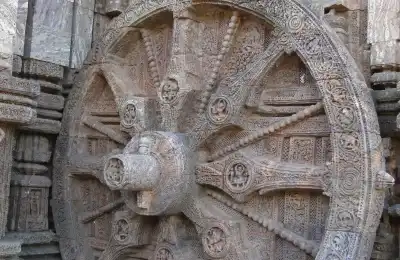
The wheel of Taranis is one of the most striking symbols found across Celtic lands. Legends say that Taranis rode across the heavens in a fiery chariot, his great wheel spinning through the clouds. Each turn of this cosmic wheel echoed the cycles of nature: the changing seasons, the movement of the stars, and the eternal rhythm of life and death.
The wheel may also have represented thunder itself, mimicking the rolling sound of storms moving across the earth. It became a sacred emblem of his dominion and was often cast in bronze and offered to the gods in shrines, rivers and sacred groves.
The Thunderer’s Gift
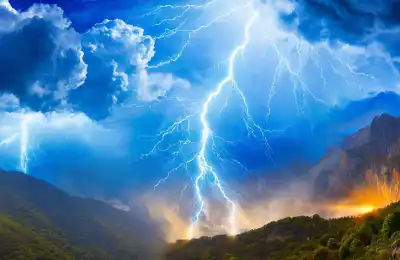
In some later folk traditions, Taranis’s thunderbolt was said to split trees and strike stones that became charged with divine energy. These stones, known in folklore as “thunderstones,” were believed to protect homes and fields from lightning. They remind us of how Taranis’s presence was seen not as something to fear, but as a powerful and protective force in nature.
Taranis’ Powers
Taranis wielded immense control over the sky and its elements. His greatest powers were those of thunder, lightning, wind, and rain; forces that could nourish crops or bring destruction. This dual nature reflected the Celtic understanding of balance, that creation and destruction are two sides of the same divine act.
He was also associated with solar and cosmic power, representing the cycles of time and the eternal turning of the universe. His thunderbolt embodied divine energy, while his wheel symbolised the movement of life itself. Together, these powers made Taranis both a protector and a purifier.
Taranis’ Symbols
Taranis was a god of striking imagery and symbolism, each element reflecting a part of his divine power and influence.
- Appearance: Taranis is often shown as a strong, mature man with a beard, symbolising wisdom and authority. He typically holds a thunderbolt in one hand and a wheel in the other, representing his control over storms and the eternal cycles of the sky.
- The Wheel of Taranis: Represents time and cosmic balance, linking heaven and earth. Often designed with six or eight spokes, the wheel was sometimes associated with the sun, reflecting Taranis’s role in maintaining the rhythm of the natural world. In Celtic religion, these wheels were offered to the gods as tokens of gratitude. Worshippers cast them into rivers or buried them at sacred sites, giving thanks to the god who turned the sky and brought the storm.
- The Thunderbolt: A blazing symbol of power, destruction and renewal. It carried divine justice, reminding the Celts that storms could both destroy and purify. Lightning strikes were seen as signs of his presence, and sacred trees and stones struck by lightning were often believed to hold his blessing.
- The Chariot: Artistic depictions frequently show Taranis driving a chariot through the clouds, his wheel blazing like the sun as he commands the storm. The chariot represents movement and mastery over the elements, capturing his eternal energy as the ruler of the skies.
Taranis’ Relationships and Family Tree
Little direct evidence survives about Taranis’s family, but scholars often draw connections to similar deities across the Celtic world. Some interpret him as a divine counterpart to solar or fertility goddesses, forming a balance between storm and creation. Others suggest he shared traits with gods like Lugh, who also represented the skies.
Although there are no surviving myths describing a wife or children, Celtic deities were often linked symbolically rather than through literal genealogies. Taranis’s “family” may best be understood as the forces he ruled: the thunder, the wind and the eternal cycles of life.
Taranis’ Influence and Legacy
Taranis’s worship extended across Celtic Europe, leaving behind countless carvings and artefacts. Temples and altars dedicated to him have been found in Gaul, Britain, and the Balkans. The Romans, recognising his similarities to Jupiter, sometimes blended their worship, preserving elements of his cult well into the imperial period.
His influence persisted in folklore long after the decline of Celtic paganism. Storms, wheels, and fire remained potent symbols of divine power throughout Europe, and echoes of his name can be found in place names and legends connected with thunder.
Taranis in Modern Times
Modern Celtic-inspired spirituality and Druidic traditions have revived interest in Taranis. He’s now celebrated as a symbol of natural energy, protection and the interconnectedness of all things. Rituals honouring him often include fire, movement, and meditations, paying tribute to his enduring association with power and renewal.
Artists and spiritual seekers continue to find inspiration in his myths. The wheel of Taranis remains a popular motif in Celtic jewellery and art, symbolising life’s cycles and the enduring rhythm of nature.
Frequently Asked Questions About Taranis in Mythology
Where was Taranis most commonly worshipped?
Taranis was widely worshipped across Gaul (modern-day France), as well as in Britain, Ireland, and parts of Central and Eastern Europe. Inscriptions dedicated to him have been discovered from the Rhineland to the Balkans, showing that his cult spread across the Celtic world. His influence even reached the edges of the Roman Empire, where local people blended his worship with that of Jupiter.
Was Taranis associated with any festivals or seasons?
While no single festival is directly linked to Taranis in surviving records, scholars often associate him with summer and harvest-time storms, when thunder and lightning were most common.
How did Taranis compare to other thunder gods?
Taranis shared traits with Zeus from Greek mythology and Thor from Norse tradition, but he was uniquely Celtic in character. Unlike Zeus, who ruled a structured pantheon, or Thor, who protected humanity, Taranis represented the untamed balance of natural forces.
What materials were used to depict Taranis?
Most surviving images of Taranis are made from stone or bronze, often showing him holding his signature wheel and thunderbolt. Some votive wheels were made of precious metals like gold or silver, used as offerings to gain his protection or favour.
Recommended for you!
Best SellersStudy Our Irish Mythology Diploma for £29
If Taranis’s story has inspired you to explore Celtic spirituality, you can uncover more about the gods, heroes, and legends of Ireland with the Irish Mythology Diploma Course from Centre of Excellence. You can enrol today for a discounted price of £29 and begin your journey into the heart of Celtic wisdom and mythology.