Across the world, cultures have created powerful symbols to represent courage, resilience, and inner strength. Some are ancient symbols of strength carved into stone thousands of years ago, while others continue to influence jewellery, tattoos, flags, and spiritual practices today.
Let’s explore 12 of the most powerful symbols and their meanings across cultures.
Jump to:
- Where Did Symbols of Power Come From?
- The Lion: Animal Symbol of Power and Courage
- The Eagle: Bird of Authority and Vision
- The Dragon: Ancient Symbol of Power
- The Triskelion: Triple Spiral Female Power
- The Valknut: Norse Strength Ancient Symbol
- The Oak Tree: What Plant Is a Symbol of Strength?
- The Lotus: Symbol of Strength and Resilience
- The Phoenix: Symbol of Unbreakable Strength
- The Ankh: The Symbol of Life and Power
- The Fist: The Symbol for Power to the People
- The Colour Red: What Is the Colour Symbol of Power?
- The Chinese Character 力: Chinese Symbol for Powerful
- Frequently Asked Questions About Symbols for Strong
- Explore Religious Symbols Further for £29
Where Did Symbols of Power Come From?
Long before written language, people used images to explain ideas that were difficult to express in words. Strength, leadership, courage, and protection were often shown through animals, plants, objects, or geometric designs. These images became symbolic symbols for strength that were passed down through generations.
Ancient symbols meaning strength often appeared in carvings, shields, jewellery, and religious artefacts. Over time, these images developed powerful symbolism that still shapes how you understand power today.
Some societies see strength as physical dominance, while others connect it to wisdom, endurance, or spiritual resilience.
1. The Lion: Animal Symbol of Power and Courage
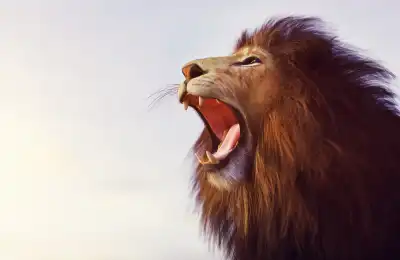
The lion is one of the clearest animal symbols of power and strength. Across Africa, Europe, and Asia, it has long been seen as a symbol of power and bravery.
Often called the “king of beasts”, the lion represents leadership and fearlessness. In heraldry, lions appear on royal coats of arms as things that represent strength and protection. In spiritual traditions, the lion can also reflect inner courage and the strength to stand firm in difficult situations.
For many people, the lion is one of the most powerful symbols of strength and courage because it blends physical might with presence and confidence. It reminds you that true power often comes from calm self-assurance.
2. The Eagle: Bird of Authority and Vision
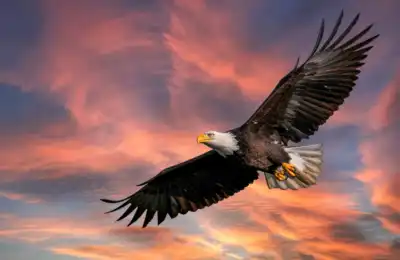
The eagle is widely recognised as a bird symbol of power and strength in many cultures. Ancient Rome used the eagle as a military emblem, symbolising dominance and victory.
In Native American traditions, the eagle represents spiritual connection and higher perspective. Because it flies high above the earth, it symbolises vision, clarity, and authority.
As a symbol of strength and courage, the eagle reflects sharp focus and independence. It’s often chosen by those who value freedom and leadership, as it represents the ability to rise above challenges and see the bigger picture.
3. The Dragon: Ancient Symbol of Power
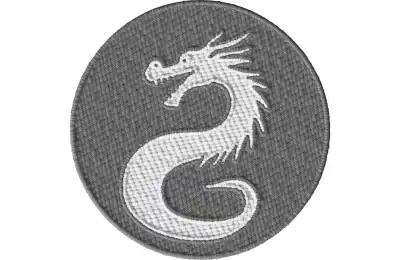
The dragon is one of the most recognised ancient symbols of power. In Western folklore, dragons often represent raw strength and protection, while in Eastern traditions, especially in China, dragons symbolise wisdom, prosperity, and divine authority.
In Chinese culture, the dragon reflects the balance between strength and intelligence. It’s seen as a force of nature, commanding yet controlled.
Because of its long history, the dragon remains one of the most powerful spiritual symbols across the world. It represents a combination of authority and mastery over powerful forces.
4. The Triskelion: Triple Spiral Female Power
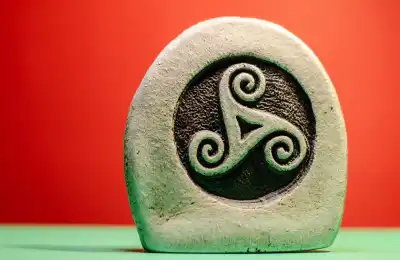
The triskelion, also known as the triple spiral, is a Celtic design made of three interlocking spirals. It’s often linked to growth, motion, and cycles of life.
For those seeking a symbol for female strength, this design is especially meaningful. It represents the three stages of womanhood – maiden, mother, and elder – reflecting wisdom, resilience, and transformation.
Many people searching for a symbol of female power are drawn to the triskelion because it reflects continuous movement and inner endurance. It remains one of the most recognised Celtic symbols connected to spiritual balance and lasting strength.
5. The Valknut: Norse Strength Ancient Symbol
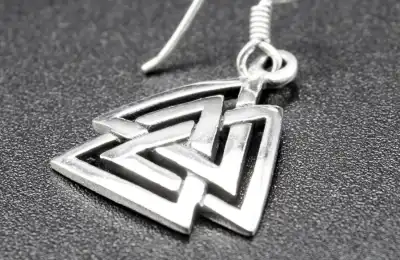
The Valknut is an ancient Norse symbol made of three interlocking triangles. It’s often associated with Odin and warriors who showed bravery in battle.
As an ancient symbol of strength, it reflects courage, sacrifice, and honour. It’s commonly seen as a symbol of unbreakable strength, particularly in the face of adversity.
Although it originated in Viking culture, today it’s often chosen as a symbol for powerful determination and loyalty. Its interwoven design also suggests the connection between life, death, and destiny.
6. The Oak Tree: Plant Symbol of Strength and Endurance
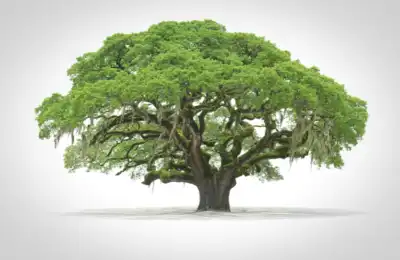
The oak tree is one of the clearest plant symbols of strength and endurance. The oak grows slowly but becomes deeply rooted and resilient, able to survive storms that destroy smaller trees. In Celtic tradition, it symbolised endurance and protection.
The oak also appears in Greek mythology as sacred to Zeus. It’s one of the best-known Greek power symbols, representing divine authority. Its steady growth reflects the idea that strength is often built over time.
7. The Lotus: Symbol of Strength and Resilience
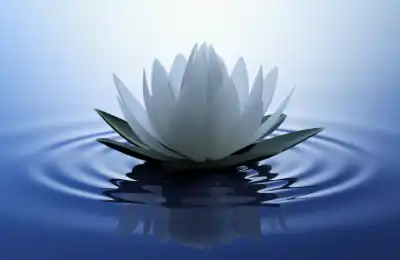
The lotus flower grows in muddy water yet blooms beautifully above the surface. This is why it’s widely seen as a symbol of strength and resilience.
It’s also considered one of the most powerful spiritual symbols because it reflects inner change rather than physical dominance. The lotus teaches that resilience can be quiet yet deeply transformative.
8. The Phoenix: Symbol of Unbreakable Strength
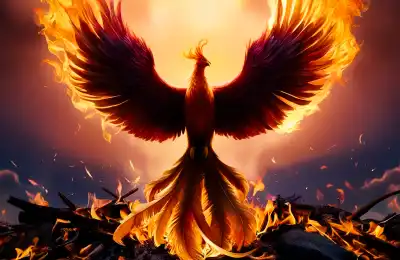
The phoenix is a mythical bird that rises from its own ashes after destruction. Because of this, it’s seen as the symbol of unbreakable strength and renewal, representing limitless resilience and the ability to rebuild after hardship.
The phoenix shows that even after loss or failure, you can grow stronger through experience. As a popular symbol of strength and courage, it carries a message of hope and endurance, and represents the power to begin again with greater wisdom than before.
9. The Ankh: The Symbol of Life and Power
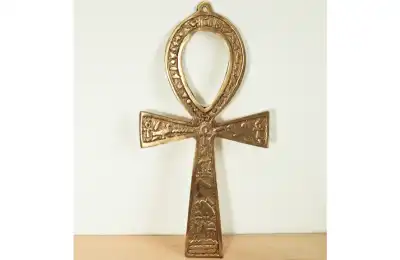
The ankh is an ancient Egyptian symbol shaped like a cross with a loop at the top. It represents life and divine energy, and is often described as the symbol of life and power because it connects physical existence with spiritual force. Egyptian gods are frequently shown holding the ankh, emphasising its role as a symbol for power granted by higher authority.
As one of the ancient symbols of strength and vitality, the ankh continues to be used in jewellery and spiritual practices today. It reflects the belief that life itself is the greatest source of power.
10. The Fist: Symbol for Power to the People
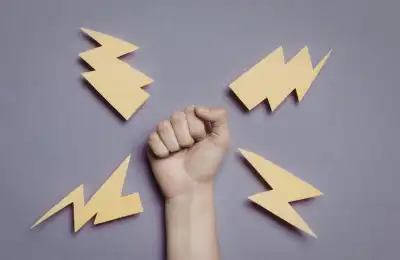
The raised fist is a modern symbol of power, unity, and resistance. It has been used in civil rights movements and protests around the world.
The clenched fist represents solidarity and collective strength, and is often associated with the phrase “power to the people”, making it a symbol for true power rooted in unity. Unlike ancient religious symbols, this one reflects social empowerment and shared resilience. It shows that strength can come from standing together with others.
11. The Colour Red: Colour Symbol of Power and Strength
Colours carry strong symbolism for strength, and red is widely seen as a colour symbol of power and authority. Across cultures, red represents energy, passion, leadership, and boldness. In China, red is a lucky colour that symbolises good fortune and strength. In Western traditions, it’s often linked to confidence and dominance.
Because it naturally draws attention, red reflects visibility and influence. It continues to be used in flags, royal clothing, and ceremonial designs to communicate authority and presence.
12. The Chinese Character 力: Symbol of Strength and Capability
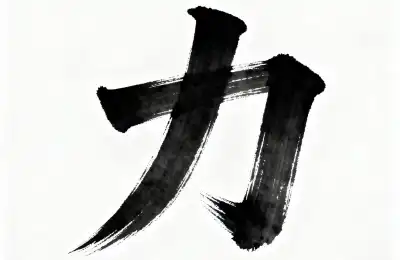
The Chinese character 力 (lì) directly means strength or power, representing physical force and capability. It’s simple in design but carries deep cultural weight. As one of the most direct symbols to represent strength, it shows how language itself can embody power.
Frequently Asked Questions About Symbols for Strong
What symbol represents strength and courage?
The lion and the Valknut are widely recognised as symbols of strength and courage, while the eagle is also associated with bravery, vision, and authority. Each carries powerful symbolism linked to confidence and resilience.
What flower symbolises strength?
The lotus is one of the clearest flower symbols of strength, representing resilience, spiritual growth, and rising above challenges. In Western traditions, the rose can also symbolise courage and endurance in difficult times.
What is the symbol for female strength?
The triple spiral female power symbol, also known as the triskelion, is a meaningful Celtic symbol for female strength. It reflects growth, transformation, and the strength found in life’s natural cycles. Other female warrior Celtic symbols include intricate knotwork designs representing unity and endurance.
Which animal signifies power?
Lions, eagles, and dragons are among the most recognised animals associated with power. They represent authority, protection, and commanding presence. These animals appear repeatedly in ancient symbols of power across different civilisations.
Which is the most powerful symbol in the world?
There is no single most powerful symbol in the world, as meaning varies between cultures and beliefs. Some consider the cross, the ankh, or other religious emblems to hold the strongest influence due to their global reach. Others see cultural icons like the lion or dragon as the most powerful symbols of strength and authority.
Recommended for you!
Best Sellers
Explore Religious Symbols Further for £29
If you’re fascinated by ancient symbols of strength and power, there’s so much more to uncover. Religious and cultural symbols carry layers of history, belief, and meaning that go far beyond their surface design.
The Religious Studies Diploma Course from Centre of Excellence allows you to explore symbols, traditions, and belief systems from around the world. Follow the link today and enrol for a discounted price of £29!