Sudden aggression in cats can feel alarming and upsetting. This behaviour, especially when it comes out of the blue, is one of the most common reasons owners seek behavioural advice. The good news is that aggression rarely appears without a reason, and with patience and understanding, most cases can be managed effectively.
This guide explains aggression in cats to help you learn why behaviour can change suddenly and how to respond.
Jump to:
Understanding Aggression in Cats
Aggression is not a personality flaw or a sign that your cat has become bad; it’s simply a form of communication. When a cat feels frightened, threatened, frustrated, or unwell, aggression may be the only way they know how to cope.
Cats are subtle animals. They often give quiet warning signs before lashing out, such as stiffening their body, flicking their tail, flattening their ears, and staring intensely. When these signals are missed, aggression may escalate.
This is why aggressive house cats are often misunderstood. What looks like an attack for no reason is usually the result of stress that has been building for some time.
Why Is My Cat Suddenly Aggressive?

If your cat has become suddenly aggressive, the reason usually falls into one of a few broad categories: health issues, fear, stress, pain, or changes in the environment.
A cat that feels unsafe or unwell may react defensively, even towards people they trust. If your cat has suddenly become aggressive towards you, it is especially important to look for hidden causes rather than assuming it is intentional behaviour.
Common Causes of Sudden Aggression
Sudden aggression in cats is rarely random and is usually linked to a specific trigger that makes your cat feel like they need to react. Understanding the most common causes can help you recognise what is driving the behaviour and respond in a way that supports your cat’s wellbeing, rather than escalating the situation.
1. Pain and Underlying Medical Issues
Pain is one of the most overlooked reasons for sudden aggression. Cats are very good at hiding discomfort, so behaviour changes may be the first sign that something is wrong.
Dental problems, arthritis, urinary issues, injuries, and internal illness can all cause irritability. An older cat becoming suddenly aggressive may be experiencing joint pain or age-related conditions that make handling uncomfortable.
If your cat growls when touched or reacts aggressively during routine activities, a veterinary check should always be the first step.
2. Fear and Startle Responses
Cats are creatures of habit. Sudden noises, unfamiliar smells, and unexpected movement can trigger fear-based aggression. This is common when cats are startled from sleep or approached while feeling cornered.
Fear aggression can explain why cats attack for what seems to be no reason, especially if the attack follows a loud noise or being picked up unexpectedly.
3. Redirected Aggression
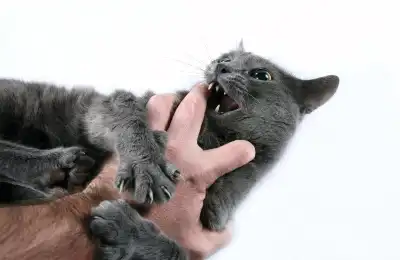
Redirected aggression happens when a cat becomes highly aroused by something they cannot reach, such as another animal outside the window. The built-up energy may then be released onto the nearest person or pet.
If a cat has seen something that has angered or upset them, this can explain why they then go on to attack their owners, or even other cats they’re bonded with.
4. Hormonal and Sexual Maturity Factors
Hormones can strongly influence behaviour. A male cat that’s suddenly aggressive may be responding to territorial instincts, particularly if he is not neutered. Similarly, a female cat that becomes suddenly aggressive may show changes during hormonal cycles or pregnancy.
Neutering often reduces aggression linked to mating behaviour, though it may not resolve aggression caused by fear or anxiety.
5. Stress and Environmental Changes
Cats thrive on routine, and even small changes can feel overwhelming. Moving house, redecorating, changes in work schedules, new pets, or new family members can all lead to behavioural issues.
Consider what has changed in your home recently. Stress may be the reason for your cat’s newfound grumpiness, even if no aggression is shown yet.
Aggression in Kittens and Young Cats
It can be particularly worrying to see aggression in young cats. In kittens, aggression is often linked to play behaviour, poor socialisation, and overstimulation. Rough play without clear boundaries can teach kittens to bite and scratch harder than intended.
However, fear and pain can still play a role, so sudden changes should not be dismissed simply because the cat is young.
Aggression Towards Other Cats
Inter-cat aggression can be deeply stressful for everyone involved. If your two cats are suddenly fighting, causes may include redirected aggression, competition for resources, illness in one cat, or changes in household scent. Even a visit to the vet can cause one cat to smell unfamiliar to the other, triggering hostility.
How to Calm an Aggressive Cat
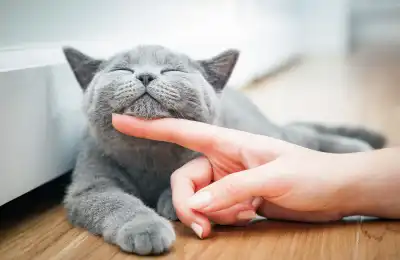
When faced with attacking cats, your safety comes first. Never try to physically restrain an aggressive cat, as this can lead to serious injury and escalate fear. Here are some tips for safely calming an aggressive cat.
Give Space and Reduce Stimulation
The first step in how to calm an aggressive cat is distance. Step away slowly, avoid eye contact, and allow your cat to retreat to a safe place. Remove other animals from the area, and keep the environment calm. Forcing interaction will only increase stress.
Avoid Punishment and Confrontation
Physical punishment or shouting does not work as disipline, and often makes aggression worse. This is because cats do not understand punishment in the way humans do. Aggression is driven by emotion, not disobedience, so discipline should focus on prevention only.
Use Predictable Routines
Consistency helps anxious cats feel secure. Regular feeding times, play sessions, and quiet rest periods can reduce stress and prevent aggressive outbursts. This is particularly helpful when dealing with cat aggression towards humans and other pets over the long term.
Encourage Appropriate Play
For cats that become aggressive during play, use toys that create distance, such as wand toys. This helps redirect energy away from hands and feet. Structured play can also help mellow out an aggressive cat, especially younger or high-energy cats.
Identify and Remove Triggers
Observe when aggression happens. Is it linked to certain times of day, specific people, or particular situations? Understanding triggers helps prevent future incidents. Once it’s been identified, simply remove the trigger and allow the cat to calm down naturally.
Seek Professional Help
If aggression is frequent or intense, professional support is important. A vet can rule out medical causes, while a qualified feline behaviourist can design a personalised plan. Knowing when to worry about cat aggression often comes down to severity. Injuries, sudden personality changes, and aggression without clear warning signs should never be ignored.
Be Patient and Compassionate
Aggression is stressful for your cat as well as for you. Progress may be slow, but with consistent management, many cats improve significantly.
Living Safely With an Aggressive Cat
It is understandable to feel upset or even frightened when dealing with aggression. Remember that your cat is not being spiteful or deliberately difficult. They are responding to something they find overwhelming.
By focusing on calm responses, you can rebuild trust and reduce fear on both sides. Over time, even cats with a history of aggression can learn healthier ways to cope.
Recommended for you!
Best Sellers







Study Feline Behaviour and Psychology for £29
If you want to deepen your understanding of cat behaviour and feel more confident supporting your feline companion, professional education can make a real difference. We offer a Feline Behaviour and Psychology Diploma Course, designed for cat owners and anyone interested in understanding cats on a deeper level. The course explores behaviour, communication, emotional wellbeing, and practical management strategies and is available for a discounted price of £29.