The patriarchs in the Bible sit at the very heart of the biblical story. Their lives form the foundation of the Old Testament and shape how faith, family, and identity are understood within the Jewish and Christian traditions. Many people explore the biblical patriarchs to gain a clearer understanding of where the Bible’s story begins, how key beliefs developed, and why these early figures still matter today.
Recommended for you!
Best Sellers






What’s in This Guide?
This guide explores the Genesis patriarchs in detail, with dedicated sections on Abraham, Isaac, Jacob, and Joseph. It also explains the broader lessons found within these stories and answers common points of confusion in a frequently asked questions section.
Jump to:
What Does Patriarch Mean Biblically?
The meaning of the word patriarch in a biblical sense is closely tied to family leadership and spiritual inheritance. A patriarch is a male ancestor who stands at the head of a family line and whose relationship with God influences generations that follow. The term reflects authority rooted in responsibility rather than power or status.

Why Are Patriarchs Important?
Patriarchs are important because they establish the framework of the biblical narrative. Their lives introduce key themes that continue throughout the Bible, including covenant, faith, obedience, and perseverance. Through the patriarchs, the Bible shows how belief is woven into everyday life rather than existing as an abstract idea.
The stories of the patriarchs also explain the origins of the people of Israel and their relationship with God. These figures act as bridges between humanity and divine promise, showing how long-term change often begins with individual commitment and trust.
Who Was the First Patriarch in the Bible?
Abraham is widely recognised as the first patriarch in the Bible. Although earlier figures such as Adam and Noah appear in Genesis, Abraham is the first person through whom God establishes a lasting covenant centred on family and descendants. This covenant becomes the foundation for the nation of Israel.
The Genesis Patriarchs
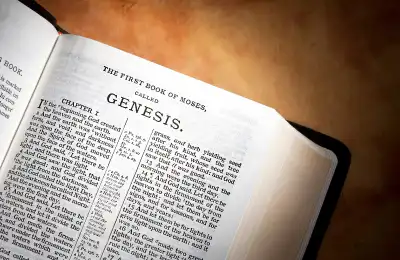
The Genesis patriarchs are the central family leaders found in the book of Genesis. They include Abraham, Isaac, and Jacob, with Joseph often discussed alongside them due to his influence on the family’s survival and future. Together, these figures form a continuous family line that shapes the rest of the Old Testament.
Each patriarch builds upon the legacy of the one before. Their stories are interconnected, showing how decisions made in one generation affect the next. This generational focus is a defining feature of the patriarch in the Genesis narrative.
The 4 Great Patriarchs
The four great patriarchs are Abraham, Isaac, Jacob, and Joseph. While their personalities and experiences vary, each contributes to the growth and preservation of the family that becomes Israel.
1. Abraham: The Father of Faith
Abraham, originally named Abram, begins his story living a settled life before being called to leave his homeland. God promises that his descendants will become a great nation, even though Abraham and his wife Sarah have no children at the time. This promise requires patience and resilience.
Abraham’s life includes moments of courage and moments of fear. He follows God’s guidance but also struggles with doubt and takes matters into his own hands at times. Despite these challenges, his willingness to trust God becomes his defining trait.
The teachings drawn from Abraham focus on faith as an ongoing commitment. His story shows that belief is not about certainty but about choosing trust even when outcomes are unclear.
2. Isaac: The Quiet Patriarch
Isaac, the son of Abraham and Sarah, is often described as a quieter figure among the biblical patriarchs. His life centres on continuity rather than change, as he inherits the covenant and maintains the family line.
Isaac’s story includes experiences of testing, such as the near-sacrifice in his youth, and later challenges involving land, family, and inheritance. He’s portrayed as someone who seeks peace and stability rather than confrontation.
The lessons from Isaac’s life highlight faithfulness over time. His example shows the importance of maintaining values, resolving conflict calmly, and honouring commitments passed down through generations.
3. Jacob: The Patriarch of Transformation
Jacob’s story is marked by struggle and personal change. As the son of Isaac and grandson of Abraham, Jacob begins life through deception, taking his brother Esau’s birthright and blessing. This leads to family conflict and years of separation.
Over time, Jacob faces hardship and moral reckoning. A pivotal moment occurs when his name is changed to Israel, symbolising his transformation. This change reflects growth through reflection and humility.
Jacob’s story teaches that personal development often comes through difficulty. His life demonstrates that transformation is possible, even after mistakes, when people are willing to change direction.
4. Joseph: Wisdom, Forgiveness, and Leadership
Joseph, one of Jacob’s sons, is not a patriarch in the strict founding sense. Sold into slavery by his brothers, Joseph endures injustice and imprisonment before rising to a position of leadership in Egypt.
Joseph’s wisdom allows him to prepare for famine, saving countless lives and preserving his family’s future. His response to betrayal is marked by forgiveness, bringing reconciliation to a fractured family.
The teachings from Joseph’s life focus on resilience, ethical leadership, and the power of forgiveness. His story shows how integrity can guide people through hardship toward meaningful purpose.
What Do the Stories of the Patriarchs Teach Us?

The stories of the patriarchs teach enduring lessons about human growth and patience, and show that belief is shaped over time and tested through real-life experiences. Leadership emerges through service and moral choice rather than authority alone.
These narratives also highlight the importance of family relationships and the long-term impact of individual decisions. The patriarchs reveal that progress is often gradual and shaped by both success and failure.
Recommended for you!
Best SellersFrequently Asked Questions
Did the patriarchs follow religious laws like those found later in the Bible?
The patriarchs lived before the formal laws given to Moses. Their faith was expressed through trust in God, moral choices, and acts such as prayer, sacrifice, and covenant agreements. Their stories show faith as relational rather than rule-based.
How historically reliable are the stories of the patriarchs?
The stories of the patriarchs are theological narratives rooted in ancient tradition. While some historical details are debated by scholars, their cultural setting aligns with what is known about the ancient Near East. The Bible presents these stories to convey meaning and belief rather than modern historical documentation.
What role did women play in the patriarchal narratives?
Women such as Sarah, Rebekah, Rachel, and Leah play important roles in the patriarchal stories. They influence family decisions, shape future generations, and experience faith and struggle alongside the patriarchs. Their stories highlight resilience and the complexities of family life.
Are the patriarchs important outside of Christianity?
The patriarchs are central figures in Judaism and are also highly significant in Islam. Abraham, in particular, is regarded as a key figure across all three faiths, which is why he is often described as a shared spiritual ancestor.
What makes the patriarchs different from later biblical figures like kings and prophets?
The patriarchs lived before organised nations, temples, and religious institutions. Their faith was expressed through personal relationships and family leadership rather than public office. This makes their stories more intimate and focused on everyday life.
Who were the 12 patriarchs in the Bible?
This question usually refers to Jacob’s twelve sons, who became the leaders of the twelve tribes of Israel. They are: Reuben, Simeon, Levi, Judah, Dan, Naphtali, Gad, Asher, Issachar, Zebulun, Joseph and Benjamin. Each tribe plays a unique role in Israel’s history, and together they form the structure of the nation.
Study Our Christianity Through the Ages Diploma for £29
The Christianity Through the Ages Diploma Course provides a well-rounded introduction to Christianity, sacred texts, and historical contexts. Enrol today for a discounted price of £29!
If you would also like to join our learning community, unlock exclusive discounts, and receive expert tips, you can sign up for our mailing list.