Moses is one of the most influential figures in the Bible and a central character in the story of the Old Testament. Many people are interested in Moses because his story addresses themes of freedom, leadership, faith, law, and human struggle. He is presented as a deeply human figure who experienced complex emotions, yet remained committed to his calling.
What’s in This Guide?
This guide explores Moses’ life from birth to death, explaining the key stages of his journey and the teachings associated with him. It looks at his role as a leader and lawgiver, the miracles connected to his story, and his close relationship with God. It also explains his wider religious significance and the meaning people continue to find in his life today.
Jump to:
Who Is Moses in the Bible?
Moses was not portrayed as a flawless hero, but as someone who grew into leadership through experience and challenge. This makes him both a prophet and a lawgiver, and his story remains powerful and relatable.
He is best known for leading the Israelites out of slavery in Egypt and for receiving God’s law on Mount Sinai. His story is told mainly in the books of Exodus, Leviticus, Numbers, and Deuteronomy.
Recommended for you!
Best Sellers


The Story of Moses in the Bible
The story of Moses unfolds over many years and shows his transformation from a rescued child into a national leader. Together, these events form one of the most well-known and meaningful narratives in the Bible.
Moses’ Birth and Early Life
Moses was born at a time when the Israelites were enslaved in Egypt. Pharaoh ordered that all Hebrew baby boys should be killed to prevent the Israelite population from increasing. To save her son, Moses’ mother placed him in a basket and set it afloat on the River Nile. He was found by Pharaoh’s daughter and raised within the Egyptian royal household.
Moses Flees Egypt
As a young man, Moses became aware of the suffering of the Hebrew people. After killing an Egyptian who was abusing a Hebrew slave, Moses fled Egypt to escape punishment. He travelled to Midian, where he lived as a shepherd, married Zipporah, and settled into a quiet life.
The Burning Bush and God’s Call
While tending sheep in Midian, Moses encountered a bush that burned without being consumed. God spoke to him from the bush and instructed him to return to Egypt to lead the Israelites out of slavery. Moses expressed fear and uncertainty, pointing to his lack of confidence and difficulty with speech.
God reassured Moses and promised guidance and support. This moment marked a turning point in his life, showing that leadership often begins with reluctance and develops through trust and obedience.
Leading the Exodus
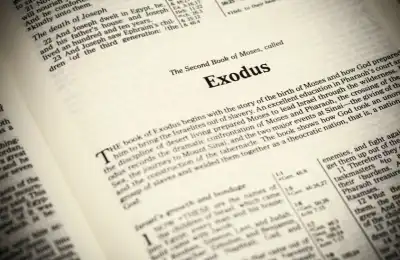
Moses returned to Egypt and confronted Pharaoh, demanding the release of the Israelites. Pharaoh repeatedly refused, which led to a series of plagues that demonstrated God’s power. After the final plague, Pharaoh allowed the Israelites to leave.
Moses led the people out of Egypt in the event known as the Exodus. One of the most memorable moments was the crossing of the Red Sea, where the Israelites escaped while the pursuing Egyptian army was stopped. This moment symbolised freedom and the importance of trusting divine guidance during uncertainty.
Guiding the Israelites in the Wilderness
After leaving Egypt, the Israelites spent forty years travelling through the wilderness. Moses acted as a teacher and intermediary between God and the people, guiding them through periods of fear and rebellion. The people frequently complained and doubted, yet Moses continued to guide them with patience and determination.
What Are Moses’ Miracles?
The miracles associated with Moses form some of the most memorable moments in the Bible. These miracles reinforced Moses’ role as a servant and guide, showing that his authority came from God rather than from his own strength or ability.
- The burning bush.
- The ten plagues of Egypt.
- The parting of the Red Sea.
- Water flowing from the rock.
- Manna in the wilderness.
What Are the Main Teachings of Moses?
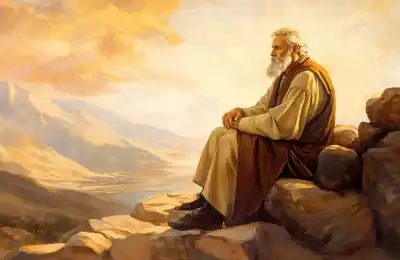
Moses’ teachings emphasise how people are expected to live in relationship with God and with one another. Through his leadership, the Israelites were taught that belief should shape everyday behaviour.
1. The Ten Commandments
The Ten Commandments are the most well-known teachings associated with Moses. These laws provided guidance on worship, honesty, respect, and justice. The commandments encouraged accountability and responsibility, helping the Israelites understand how their actions reflected their faith.
2. Moses as a Lawgiver Beyond the Ten Commandments
Beyond the Ten Commandments, Moses delivered a wider body of laws that shaped religious worship and community life. These instructions addressed justice, fairness, care for the vulnerable, and responsibility towards others.
3. Living with Responsibility
Moses taught that faith was not limited to rituals and belief alone. His leadership emphasised fairness and respect in everyday life. Responsibility towards others was presented as a central part of living faithfully within a community.
Moses and God
Moses’ relationship with God is described as unusually close. The Bible states that God spoke to Moses directly, setting him apart from other prophets. Moses often acted as an intercessor, speaking to God on behalf of the people, even when they had disobeyed.
Despite this closeness, Moses was not without fault. When he struck a rock in anger instead of following God’s instruction, he was told he would not enter the Promised Land. This moment reinforces the idea that accountability applied to Moses just as it did to everyone else.
The End of Moses’ Life and His Death
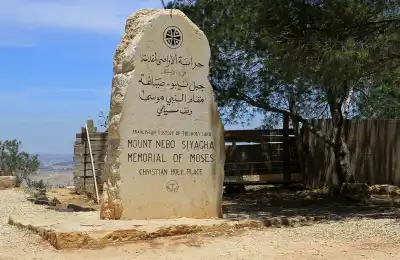
Moses’ life came to an end before the Israelites entered the Promised Land. He was taken to Mount Nebo, where he was shown the land they would soon inhabit. Moses died there at the age of 120 and was buried in a place unknown to the people.
This ending carries strong symbolic meaning. Moses devoted his life to guiding others towards freedom and faith, even though he did not experience the final destination himself.
Moses in Judaism, Christianity, and Islam
Moses holds a central place in Judaism, where he is regarded as the greatest prophet and the primary receiver of the law. His leadership and teachings form the foundation of Jewish religious life.
In Christianity, Moses is honoured as a faithful servant of God whose teachings prepared the way for later understanding. He’s frequently referenced in the New Testament as a figure of moral authority.
In Islam, Moses, known as Musa, is recognised as a prophet and messenger of God. His story appears throughout the Qur’an and emphasises faith, perseverance, and trust in divine guidance.
What Moses Symbolises
Moses symbolises freedom from oppression, faithfulness, leadership rooted in humility, and moral responsibility. His journey reflects the transition from hardship to purpose and from dependence to accountability. Moses’ doubts and struggles make his life deeply human, while his perseverance demonstrates the value of commitment and faith.
Frequently Asked Questions
Was Moses a real historical figure?
Moses is a central figure in the Bible and religious tradition, though there is no direct archaeological evidence that confirms his life in the way modern history does. Many scholars view Moses as a historical leader whose story was shaped and preserved through oral tradition, while others understand him as a theological figure whose life conveys religious truth rather than historical detail.
Who helped Moses lead the Israelites?
Moses did not lead alone. His brother Aaron played an important role as a spokesperson and priest, particularly in the early stages of the Exodus. Moses also relied on elders and leaders appointed to help guide the people and resolve disputes.
How is Moses different from other biblical prophets?
Moses is described as having a unique relationship with God, speaking directly rather than through visions and dreams. He combined the roles of prophet, leader, and lawgiver, which set him apart from other biblical figures who typically held only one of these roles.
Why is Moses still studied today?
Moses is studied because his story addresses themes that remain relevant, including justice, leadership, freedom, and moral responsibility. His teachings continue to influence religious thought, ethical discussion, and cultural understanding across many societies.
Recommended for you!
Best SellersStudy Our Religious Studies Diploma for £29
If this topic has sparked your interest, the Religious Studies Diploma explores major world religions, key figures, belief systems, and the historical contexts that shaped them. You can enrol for a discounted price of £29.
If you would also like to join our learning community, unlock exclusive discounts, and receive expert tips, you can sign up for our mailing list.