Sleep has always been a mysterious and sometimes unsettling part of human life. Most people have experienced vivid dreams, restless nights, or the strange sensation of waking up unable to move. Long before science offered explanations for these moments, stories arose to make sense of them. One of the most enduring figures linked to disturbed sleep is the Mara, sometimes called Mere.
The Mara sits at the crossroads of fear, belief, and symbolism, offering insight into how earlier cultures understood the unseen forces that shaped daily life. This article explores who Mara is in mythology and what she represents.
Jump to:
- Who is Mara in Norse Mythology?
- How Do You Pronounce Mara?
- The Myth of Mara: The Spirit Behind Nightmares
- How Powerful Is Mara?
- Is Mara Evil?
- Mara’s Symbolism
- Mara in Modern Culture
- The Connection Between Mara and Other Norse Beings
- What Mara Can Teach You
- Common Questions About Mara
- Study Norse Mythology for £29
Who is Mara in Norse Mythology?
In Norse mythology and Scandinavian folklore, Mara (sometimes called Mere) is a supernatural being linked to sleep and nightmares. She is believed to visit people during the night, sitting on their chest while they sleep and causing distressing dreams along with a terrifying inability to move.
Mara appears across Norwegian folklore creatures and wider Nordic traditions, making her one of the most recognisable Scandinavian mythological creatures associated with the night. Unlike Norse gods and heroes, Mara feels close to everyday human experience, reflecting fears that many people have felt but struggled to explain.
How Do You Pronounce Mara?
Mara is pronounced “MAH-rah”. In Old Norse, the pronunciation may have been slightly rougher, but the modern form is simple and direct.
The Myth of Mara: The Spirit Behind Nightmares
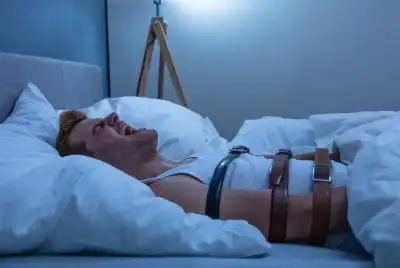
The story of Mara is not found in a single surviving myth but exists through folklore passed down over generations. She was believed to enter a sleeper’s room at night and press down on their chest, bringing fear, breathlessness, and vivid, disturbing dreams.
This belief is closely tied to the nightmare etymology of the word “nightmare” itself. The word comes from the Old English niht (night) and mare, referring to a supernatural being that torments sleepers.
When someone suffered repeated bad dreams or sleep paralysis, Mara was often blamed. The language itself shows how mythology shaped everyday speech, leaving a lasting mark that remains even today.
How Powerful Is Mara?
Mara’s power lies in her ability to affect the mind and body during sleep. She does not rely on physical strength but on fear, vulnerability, and the helplessness that comes with being asleep.
Her presence can cause paralysis and lingering fear long after waking. In a culture where dreams were seen as meaningful, this made her influence feel especially powerful.
Mara’s strength comes from the fact that she cannot easily be seen or confronted, making her one of the most unsettling figures in folklore.
Is Mara Evil?
In Norse belief, not all frightening beings were considered evil. Mara does not act out of cruelty or malice. Instead, she is often portrayed as cursed, compelled to act, or bound by her nature.
While her actions cause suffering, they are not driven by hatred. This reflects the Norse view that hardship and fear were part of life’s balance rather than signs of moral failure.
Mara’s Symbolism

Mara carries a strong symbolic meaning within folklore. She represents fear that arises in moments of vulnerability, particularly when the mind is unguarded. She also symbolises emotional weight, suppressed anxiety, and experiences that feel impossible to control. Spiritually, many interpretations view her as a reflection of inner unrest rather than an external enemy.
Mara in Modern Culture
Today, she is often linked to sleep paralysis and anxiety, showing how ancient explanations still resonate with modern experiences. Her role as a demon of nightmares remains a powerful image in contemporary storytelling.
The Connection Between Mara and Other Norse Beings
Mara exists alongside other boundary-crossing figures in Norse mythology, such as draugr and other restless spirits. She also shares symbolic ground with Odin’s ravens, as all are connected to the unseen and the movement between worlds.
These connections place Mara within a wider mythological pattern where night, thought, and fear are deeply intertwined.
What Mara Can Teach You
Mara’s story offers insight into how fear was understood in the past. She reminds you that fear often arises when control is lost and that naming or understanding fear can lessen its power. Her presence also encourages reflection on emotional wellbeing and the importance of confronting what lingers beneath the surface.
Common Questions About Mara
Is Mara a god or demon?
While sometimes referred to as the sleep demon, Mara is neither a god nor a demon. She is not worshipped like a god, and she is not a demon from Christian theology. Instead, she belongs to folk belief, a liminal being that exists between the human and spirit worlds.
She may behave in frightening ways, but she is not always evil by nature. In some traditions, Mara is bound by rules or curses rather than driven by cruelty. This makes her a more complex figure than a simple monster.
What is the curse of Mara?
The curse of Mara varies by tradition. In some stories, she is cursed to wander at night because of jealousy or unfulfilled love. In others, she becomes a Mara after death due to unresolved anger or sorrow.
Sometimes the curse is hereditary, passed from mother to daughter. This idea helped explain why certain families were believed to experience more nightmares than others.
Who defeated Mara?
Unlike monsters slain by heroes, Mara is rarely defeated in battle. Instead, she was driven away rather than destroyed. Folk remedies included symbolic acts such as placing iron objects near the bed, reciting prayers, or speaking Mara’s name aloud. Naming her was believed to remove her power.
What does Mara mean spiritually?
Spiritually, Mara represents inner unrest and the fears that surface when the mind is unguarded. Many interpretations focus on the idea of confronting what you avoid during waking life.
Recommended for you!
Best Sellers
Study Norse Mythology for £29
If Mara’s story has inspired you to explore Norse mythology further, you can deepen your understanding with our Norse Mythology Diploma Course. This self-paced online course guides you through the legends, gods, and cosmic ideas of Norse myth, from Odin and Loki to supernatural beings like Mara herself. Right now, you can enrol for a discounted price of £29!