Throughout history, people have looked to animals as powerful symbols of luck, wealth and blessings. In this article, we explore the fascinating concept of lucky animals, including what they represent and the roles they play in religion, astrology and tradition.
Jump to:
Recommended for you!
Best Sellers





What Is the Luckiest Animal?
Elephants, turtles, ladybirds, cats, and owls all have strong traditions attached to them. The luckiest animal often depends on your culture, beliefs, and personal experiences.
The belief in lucky animals comes from the human desire to find meaning in nature. Animals embody qualities we admire, such as strength, wisdom and resilience. Over time, these traits have been linked with ideas of protection and good fortune.
Lucky Animals in Religion
Many religions give animals sacred roles as protectors and messengers:
Hinduism
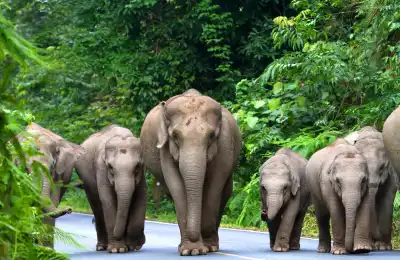
In Hinduism, elephants are associated with Lord Ganesha, remover of obstacles, making them symbols of prosperity. In homes, elephant statues are often used to attract positive energy and abundance. Traditionally, an elephant facing inward invites abundance, while outward-facing elephants protect the home.
Christianity
Within Christianity, the dove is one of the most recognised symbols of blessings and peace. Closely associated with the Holy Spirit, it represents purity, hope and renewal, serving as a gentle reminder of divine presence and guidance.
Buddhism
Ancient Egyptian Beliefs
Animals played an important role in Ancient Egyptian religion. Cats, for example, were seen as protective guardians, believed to bring safety and prosperity to households. This tradition continues to influence modern beliefs, with cats often associated with attracting wealth and bringing good luck.
Lucky Animals in Astrology
Animals play an important role in astrology, especially through zodiac signs, where they represent qualities that attract luck and shape fortune.
- Dogs: In Chinese astrology, those born in the Year of the Dog are seen as loyal, honest, and trustworthy. Dogs symbolise protection and positivity, reflecting their role as faithful companions. While no single breed is regarded as the luckiest, dogs in general are celebrated for their joyful spirit and ability to bring warmth and security to the people around them.
- Rabbits: Rabbits are another important animal in the Chinese zodiac, representing fertility, kindness and abundance. People born in the Year of the Rabbit are thought to enjoy good fortune and a gentle, compassionate nature. Beyond astrology, the rabbit has been embraced in folklore as a bearer of luck; the tradition of carrying a rabbit’s foot as a charm is rooted in the idea that this animal attracts prosperity and blessings.
- Fish and Frogs: In Feng Shui, fish are powerful symbols of wealth and renewal. Flowing water and swimming fish are linked to abundance, making aquariums and koi ponds popular features in homes and gardens that seek to welcome prosperity. Frogs are also viewed as carriers of fortune. The image of a frog holding a coin in its mouth is particularly associated with attracting money and financial stability, often placed near entrances to encourage wealth to flow into the household.
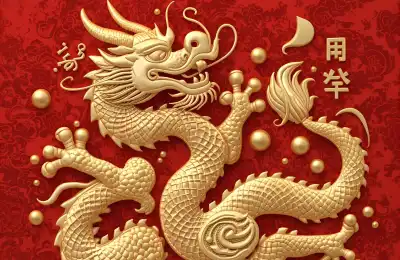
- Other Zodiac Animals: Every animal in the zodiac holds its own form of luck. The ox represents perseverance and reward through hard work, the dragon is a symbol of power and prosperity, and the horse signifies freedom and success. Together, they reflect the many qualities humans aspire to cultivate, reminding us that luck often comes through the strengths we embody.
Lucky Animals in Different Cultures
Cultural traditions across the world give animals powerful symbolic meanings. Each creature reflects qualities that people value and hope to bring into their lives.
Cats
The Chinese lucky cat, also known as Maneki-neko, is one of the most recognised symbols of prosperity in Japan and China. Its raised paw is believed to invite wealth and success, with the left paw welcoming customers and the right paw attracting money. In the UK and parts of Europe, black cats are considered lucky. In Ancient Egypt, cats were sacred to the goddess Bastet and were seen as protectors of the home.
Ladybirds
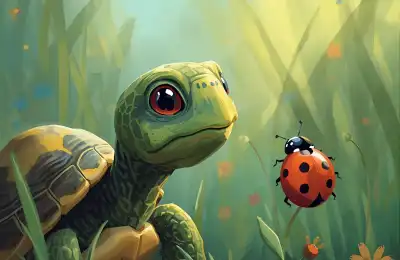
In European folklore, ladybirds are widely associated with prosperity and happiness. Farmers valued them as protectors of crops, which helped cement their reputation as bearers of blessings. In North America, they are seen as cheerful symbols of good fortune and love, and many people believe that spotting one brings luck.
Turtles
Turtles are admired as symbols of longevity, patience and peace. In China and Feng Shui, they are often placed in homes as protective figures believed to encourage stability and harmony. In Native American traditions, turtles are linked to creation myths and enduring strength, while in Hindu mythology the turtle is connected to cosmic balance, believed to support the weight of the world. Across these traditions, the turtle consistently represents security and good fortune.
Horses
Horses represent freedom, power, and success. In Mongolia and Central Asia, they are celebrated as vital companions and bringers of luck in travel and battle. In Europe, they are associated with victory and blessings, while in Native American traditions, horses symbolise strength and freedom. Their role across cultures has firmly established them as a lucky animal tied to movement and opportunity.
Owls
Peacocks
Peacocks are admired worldwide for their beauty, and their feathers are powerful cultural symbols. In India, they are connected to the god Krishna and are seen as protective and auspicious, bringing divine blessings. In China, peacocks symbolise dignity, peace, and prosperity. In Europe, their vibrant feathers have sometimes been linked with pride and vanity, but they are also admired as a sign of renewal and eternal life.
Unlucky Animals
Cultural traditions remind us that the meaning of a lucky animal is never fixed. While many animals are celebrated, others carry warnings in some traditions:
- Owls: Owls carry both positive and negative symbolism depending on the culture. In parts of Africa and Europe, owls have long been linked with omens and misfortune, even though others celebrate them as wise protectors.
- Black Cats: Although black cats are considered lucky in the UK and Japan, they are often seen as unlucky in North America and in some European traditions.
- Snakes: Snakes are often linked with transformation, rebirth and healing, but they can also be feared as symbols of danger and deceit. In some traditions, they are associated with misfortune and trickery.
Recommended for you!
Best SellersFrequently Asked Questions About Lucky Animals
Which pet brings good luck into a home?
Cats and dogs are both considered lucky pets in different traditions. Cats, especially the Maneki-neko (lucky waving cat), are linked with prosperity and wealth, while dogs are thought to bring loyalty and protection.
What animal symbolises blessings?
Doves and turtles are two strong symbols of blessings. Doves represent peace and harmony, while turtles are associated with stability, patience, and long life. Both are believed to carry protective and positive energy.
What animal is usually linked to wealth and riches?
Fish, especially koi in Asian traditions, are seen as symbols of wealth and abundance. Frogs carrying coins and the Chinese lucky cat are also strongly associated with attracting money and financial good luck.
How do people choose their lucky animal?
Some people identify their lucky animal through their zodiac sign, while others look to cultural traditions for guidance. Many simply feel naturally connected to an animal that reflects their own qualities or brings them a sense of comfort and inspiration.
What symbol brings luck apart from animals?
Alongside animals, symbols such as horseshoes, four-leaf clovers, and dreamcatchers are often thought to attract luck. These charms vary across cultures but share the common purpose of offering protection and inviting good fortune.
Study Our Spirit Animals and Totems Diploma for £29
Animals have always been seen as sources of comfort, protection and inspiration. Learning about their symbolic meanings can deepen your understanding of yourself and help you connect with traditions from around the world. If you’re ready to explore further, the Spirit Animals and Totems Diploma Course with Centre of Excellence is the perfect next step. And you can enrol today for just £29!