If you're researching the least aggressive dog breeds, this guide is for you. Whether you're a first-time owner, you have young children at home, or you simply prefer a calmer canine presence, finding a breed with a naturally mild temperament can make all the difference.
What's in this Guide?
This guide walks you through some of the most popular non-aggressive dog breeds, answers a few common questions, and helps you feel confident in making your choice.
Jump to:
What Makes a Dog Less Aggressive?
Aggression in dogs can take many forms, from snapping and growling to lunging at strangers and other animals. It's rarely about the breed alone; factors like early socialisation, training, living conditions, and past experiences all play a significant role.
That said, genetics do matter. Breeds that were historically developed for companionship or herding tend to have gentler instincts than those bred for guarding or hunting. When looking for a calm, non-aggressive dog breed, you're generally looking for dogs that:
- Are naturally sociable with people and other animals.
- Have been bred for cooperative work alongside humans.
- Show low levels of territorial or defensive behaviour.
- Respond well to positive, reward-based training.
What Is the Most Non-Aggressive Dog Breed?

While there's no single definitive answer, several breeds have qualities that make them a brilliant choice for those seeking a gentle companion.
Golden Retriever
Bred as a gun dog to retrieve game gently without damaging it, the Golden Retriever has an instinctively soft mouth and an even softer temperament. They're famously patient, enthusiastic, and eager to please, which makes them one of the most widely recommended breeds for families, therapy work, and assistance roles.
Labrador Retriever
Sociable, trainable, and reliably good-natured, the Labrador Retriever is a perennial favourite for families and working roles alike. They're known for their outgoing personalities and their ability to get along with just about everyone they meet, including children, strangers, and other animals.
Cavalier King Charles Spaniel
A breed built entirely for companionship, the Cavalier is gentle, affectionate, and rarely shows any sign of aggression. They thrive on human company and are happiest when they're close to the people they love, making them a wonderful choice for quieter households and older owners.
Basset Hound
Slow-moving and good-humoured, Basset Hounds aren't easily ruffled by the world around them. Their laid-back nature means they tend to take new people, environments, and experiences in their stride, which makes them a reliably calm presence in the home.
Beagle
Friendly and curious, Beagles tend to be more interested in sniffing out adventures than in confrontation. They're sociable dogs that generally get on well with children and other pets, though their noses can get them into mischief if they're not kept occupied.
Irish Setter
Energetic but sweet-natured, Irish Setters are enthusiastic companions with very little aggressive tendency. They love people, adapt well to busy family life, and respond well to gentle, consistent training.
Non-Reactive Dog Breeds Worth Knowing About
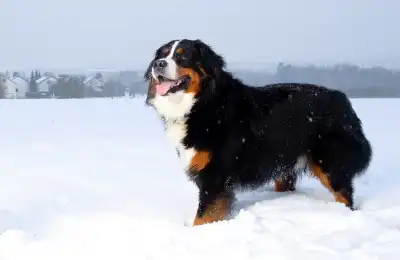
Reactivity refers to a dog's tendency to overreact to stimuli such as other dogs, strangers, loud noises, or sudden movements. Non-reactive dog breeds tend to stay calm in situations that might cause other dogs to bark, lunge, or become difficult to handle.
If you live in a busy area, have a hectic household, or simply want a dog that takes life in its stride, looking for low-reactivity breeds is a good starting point.
Calm Large Breeds
Some of the most reliably non-reactive dog breeds are larger dogs with steady, settled temperaments:
- Bernese Mountain Dog: A gentle giant with a calm disposition. They're surprisingly relaxed given their size and are wonderfully affectionate with children.
- Newfoundland: Another large breed known for its patience. Newfoundlands are sometimes called "nanny dogs" for their instinctive gentleness around children.
- Clumber Spaniel: Quieter and more laid-back than many other spaniel types, the Clumber is content to potter about at its own pace.
Calm Smaller Breeds
Smaller dogs can be just as non-reactive as their larger counterparts, and are often a better fit for those with limited space:
- Pug: While full of character, Pugs are generally sociable and good-humoured, rarely showing reactive tendencies.
- Bichon Frisé: A cheerful, adaptable breed, the Bichon tends to be friendly with strangers and other pets alike.
Dog Breeds with Low Prey Drive
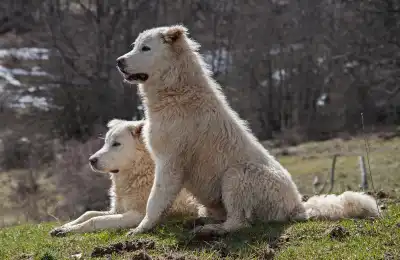
Prey drive refers to a dog's instinct to chase and hunt moving objects and animals. Breeds with low prey drive are generally safer around smaller pets, easier to walk in areas with wildlife, and less likely to bolt after something that catches their eye.
If you share your home with cats, rabbits, or other small animals, choosing a dog breed with a naturally lower prey drive can make cohabitation much smoother.
Companion Breeds
Companion breeds were developed specifically to live alongside people, which often means their hunting instincts are minimal:
- Maltese: The Maltese has minimal hunting instinct and is more interested in cuddles than chasing.
- Japanese Chin: Historically a lapdog for Japanese nobility, the Chin has an exceptionally low prey drive and a calm, cat-like demeanour.
- Pomeranian: Despite their lively personalities, Pomeranians tend to be more interested in play than in pursuing other animals.
Working and Herding Breeds
Some working breeds were developed to manage livestock rather than hunt, which means they're more likely to herd than chase:
- Old English Sheepdog: Bred to herd rather than hunt, the Old English Sheepdog is more likely to try to round up your cat than chase it.
- Saint Bernard: A calm and patient breed with no real inclination to chase smaller animals.
A Note on Upbringing and Training
It'd be misleading to talk about the least aggressive dogs without acknowledging the enormous impact that upbringing and training have on any dog's behaviour. A breed known for its gentleness can develop problem behaviours if it's under-socialised, mistreated, or not given appropriate outlets for its energy. Equally, a breed with a reputation for being tricky can thrive in the right hands.
The most important things you can do as a dog owner or prospective owner are:
- Socialise early: Expose puppies to a wide variety of people, animals, sights, and sounds during the critical window of four to sixteen weeks.
- Train consistently: Use positive reinforcement methods that reward good behaviour rather than punishing unwanted behaviour.
- Understand body language: Learning to read your dog's signals can help you prevent situations from escalating before they start.
- Seek professional support if needed: If you notice concerning behaviours developing, early intervention with a qualified canine behaviourist can make a significant difference.
Understanding canine behaviour doesn't just help you manage problems; it also deepens your relationship with your dog and helps you respond to their needs with confidence.
Recommended for you!
Best Sellers






Frequently Asked Questions
Which dog is least likely to bite people?
When it comes to bite statistics and temperament studies, breeds developed for cooperation with humans consistently come out on top. Golden Retrievers, Labrador Retrievers, Cavalier King Charles Spaniels, Beagles, and Boxers are among those most frequently cited as least likely to bite. Size doesn't determine safety, as some small breeds can be quite snappy without proper socialisation.
What dog is least likely to turn on its owner?
Breeds that form strong bonds with their families and respond well to positive reinforcement tend to be the most stable and predictable. Golden Retrievers, Labrador Retrievers, Border Collies, Bernese Mountain Dogs, and Cavalier King Charles Spaniels are all excellent choices for owners looking for a loyal, even-tempered companion. Consistent training and a secure, loving environment play a large part in keeping any dog's behaviour reliable.
Are Whippets aggressive?
Despite being a sighthound originally bred for racing, Whippets are known for being one of the most gentle and sensitive breeds around. They're affectionate, quiet in the home, and generally excellent with people of all ages. That said, Whippets do have a moderate to high prey drive when it comes to small animals. They can be prone to chasing squirrels, rabbits, or cats, not out of aggression, but out of instinct.
Are Cocker Spaniels aggressive?
As a rule, Cocker Spaniels are affectionate, playful, and people-oriented dogs. They're not typically classed among aggressive breeds, and the vast majority make wonderful family pets.
However, a condition known as "Cocker Rage" has been documented in the breed, particularly in show-type Cocker Spaniels. This is a rare neurological condition that can cause sudden, unpredictable aggression in otherwise well-behaved dogs. This condition is uncommon and is thought to be linked to specific bloodlines rather than the breed as a whole.
Study Canine Behaviour Training for £29
If you'd like to deepen your understanding of dogs and their behaviour, the Canine Behaviour Training Diploma Course covers everything from temperament and body language to training techniques and breed characteristics. You can enrol today for just £29, a significant saving on the full course price.