Welcoming a dog into your life in your later years can be one of the most rewarding decisions you make, bringing routine, companionship, and joy to everyday life. Whether you're after a gentle lap dog, a low-maintenance small breed, or a calm walking companion, this guide covers everything you need to know about finding the right dog for your lifestyle.
What's in this Guide?
There's a lot to think about when choosing a dog in later life, from temperament and size to grooming needs and exercise requirements. This guide breaks it all down to help you make a confident, informed decision.
Jump to:
- Why Dogs Are Great for Older People
- What to Consider Before Getting a Dog in Later Life
- Best Dog Breeds for Seniors
- Small Dogs for Older People
- Best Dogs for Older Owners Who Like to Walk
- Best Dog Breeds for Seniors That Don't Shed Much
- Tips for Settling a New Dog Into Your Home
- Frequently Asked Questions
- Study Canine Behaviour for £29
Why Dogs Are Great for Older People
Research consistently shows that pet ownership can have a positive impact on both mental and physical well-being. Dogs encourage you to get outside and move, even on days when motivation is low. They provide a sense of purpose and routine, which can be especially valuable after retirement. And simply having a warm, affectionate animal nearby can ease feelings of loneliness.
For older adults living alone, a dog can be a genuine comfort. The daily rhythm of feeding, walking, and caring for a pet brings structure and meaning, and there's nothing quite like the greeting you get when you come through the door.
What to Consider Before Getting a Dog in Later Life
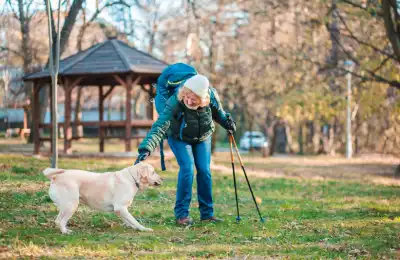
Choosing the right dog isn't just about which breeds are cute or popular. As an older owner, there are a few practical things worth thinking about before you commit.
Energy Levels
Some dogs need hours of exercise every day, while others are perfectly happy with a short stroll and a comfortable spot on the sofa. Think honestly about how much activity you can comfortably manage, and choose a dog whose needs match your lifestyle. A high-energy breed can become frustrated and difficult to manage if its needs aren't being met.
Size and Strength
Larger, more boisterous dogs can be harder to handle, particularly if you have mobility concerns or aren't as steady on your feet as you once were. A dog that pulls on the lead or jumps up can cause accidental falls. Many of the best dog breeds for seniors tend to be on the smaller or medium-sized end of the scale for this reason.
Grooming and Health Costs
Some breeds require daily brushing, regular trips to the groomer, and careful coat maintenance. If this feels like a lot, it's worth looking for dogs with low-maintenance coats. It's also worth factoring in vet costs, as some breeds are more prone to health conditions than others. Looking into pet insurance before bringing a dog home is always a sensible step.
Temperament
A calm, gentle, and affectionate temperament is usually what makes a good dog for seniors. You're looking for a dog that's relaxed and easy to live with, rather than one that's highly strung, easily excitable, and prone to anxiety.
Best Dog Breeds for Seniors
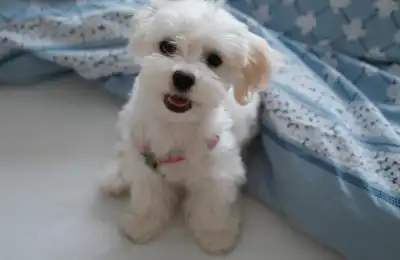
There are quite a few excellent options, and the right choice will depend on your lifestyle, living situation, and personality. Here are some of the most popular and well-suited picks to get you started.
1. Cavalier King Charles Spaniel
The Cavalier is one of the most beloved companion dogs in the UK, and for very good reason. They're gentle, affectionate, and adaptable, equally happy with a short walk or a quiet day at home. They thrive on human company and are rarely aggressive.
2. Bichon Frise
The Bichon Frise is a small, cheerful breed that loves people and tends to get along well with everyone it meets. They're lively without being exhausting, and they also don't shed much. They do need regular grooming to keep their curly coats tidy, but many owners find this a manageable and enjoyable routine.
3. Shih Tzu
The Shih Tzu was bred specifically to be a companion dog, and it shows. This breed is calm, friendly, and perfectly happy living in a flat or a house without a garden. They don't need huge amounts of exercise and are generally gentle and easy-going. Their long coats do require regular brushing, though many owners opt for a shorter "puppy cut" to keep things simple.
4. Maltese
Similar in temperament to the Shih Tzu, the Maltese is a small, sweet-natured dog that bonds closely with its owner. They're generally quiet and well-behaved indoors and don't require strenuous exercise. As one of the most consistently recommended small dogs for older people, the Maltese is a reliable choice for anyone wanting a gentle and devoted companion.
5. Poodle (Miniature or Toy)
Poodles are incredibly intelligent, highly trainable, and come in a range of sizes, with the Miniature and Toy varieties being particularly well-suited to older owners. They're also famously low-shedding, which makes them one of the best dogs for the elderly who are concerned about allergies and keeping a clean home.
6. Retired Racing Greyhound
Greyhounds have a reputation for speed, but retired racing greyhounds are actually among the calmest, most laid-back dogs you can find. They love a comfortable sofa and are content with two moderate walks a day. They're quiet, gentle, and rarely destructive indoors, making them a genuinely great dog for older people who want a larger but still very manageable companion.
Small Dogs for Older People
If you're specifically looking for a smaller breed, the good news is that many of the most affectionate and manageable dogs are on the compact side. Small dogs for older people tend to be easier to handle on the lead, cheaper to feed, and more practical for smaller homes and flats. Some of the best small breeds to consider include:
- Cavalier King Charles Spaniel
- Pomeranian
- Dachshund
- Yorkshire Terrier
- Maltese
- French Bulldog
Dogs for Older Owners Who Enjoy Walking
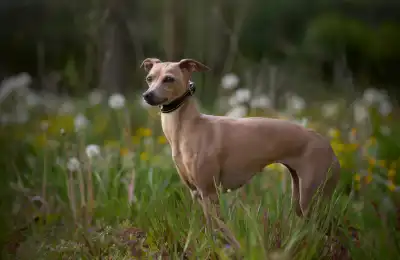
If you enjoy getting out and about, you'll want a dog that can keep pace with an active lifestyle without being so demanding that exercise feels like a chore. The right dog for seniors who like to walk is one that's enthusiastic on the lead but equally happy to rest once you're back home. Here are a few breeds that strike that balance well.
- Cocker Spaniel: They love walks, they've got an enthusiastic and cheerful personality, and they're generally easy to train. They do need regular brushing, but their good temperament makes them a joy to be around.
- Whippet: Whippets are gentle and surprisingly low-maintenance. They enjoy a good run but are equally happy resting at home. They're lean and lightweight, which makes them easy to handle, and their short coats need very little grooming.
- Beagle: Beagles are curious, friendly dogs that love to explore. If you enjoy walks in the countryside and don't mind a dog that follows its nose, a Beagle can be a wonderful walking companion. They can be strong-willed, so some patience with training is required.
Best Dog Breeds for Seniors That Don't Shed Much
Shedding is a genuine concern for many older dog owners, whether for allergy reasons or simply because excessive dog hair around the house is difficult to manage. No dog is completely allergen-free, but some breeds shed significantly less than others. Low-shedding options to consider include:
- Poodle (any size)
- Bichon Frise
- Shih Tzu
- Maltese
- Miniature Schnauzer
Tips for Settling a New Dog Into Your Home
Once you've chosen your new companion, a few simple steps can help the transition go smoothly for both of you.
First, give them time to adjust. A new environment can be overwhelming for any dog, so allow them to explore at their own pace without forcing interaction. Alongside this, it helps to establish a routine early. Dogs thrive on predictability, and regular feeding times, walk schedules, and quiet periods will help your dog feel settled and secure.
It's also worth setting up a comfortable space before they arrive. A cosy bed in a calm area of the house gives your dog somewhere to retreat when they need rest. When it comes to training, patience goes a long way, and positive reinforcement will always work far better than frustration.
Recommended for you!
Best Sellers

Frequently Asked Questions
What is the calmest dog for seniors?
The Cavalier King Charles Spaniel is widely considered one of the calmest and most gentle breeds, making it an excellent choice for older owners seeking a relaxed companion.
Is 75 Too Old to Get a Puppy?
An older or adult dog often makes a better match for older owners because their temperament is already established, they're usually past the destructive chewing phase, and they may already be house-trained. That said, if you're in good health, have the support of family or friends nearby, and feel confident about the commitment, a puppy needn't be ruled out entirely.
What's the easiest dog to take care of for an older person?
The Shih Tzu and the Miniature Poodle are both considered among the easiest dogs for older owners to manage, thanks to their small size, gentle temperament, and adaptability to quieter lifestyles.
Should seniors get a dog from a rescue or a breeder?
Rescue dogs, particularly older ones, can be a wonderful match for senior owners as their personality is already established, but a reputable breeder can offer more predictability in terms of size, temperament, and health history.
Are small dogs better for older owners than large dogs?
Small dogs are often recommended for older owners because they're easier to handle on the lead, more practical in smaller homes, and generally less physically demanding to manage day to day. That said, some larger breeds like the Greyhound or Whippet can be equally well-suited if the owner is comfortable with their size.
Study Canine Behaviour for £29
Whether you're welcoming your first dog or wanting to better understand your existing companion, learning about canine behaviour can make a real difference to your relationship. You can access the Canine Behaviour Training Diploma Course right now for just £29.