Many owners find themselves wondering how to stop their dog barking in the garden, especially when it disturbs the peace and upsets neighbours. The good news is that with patience and consistency, you can teach your dog to relax and enjoy outdoor time without disruption.
In this guide, we explore why dogs bark outside, what you can do to manage it, and practical steps you can take to reduce barking in the garden.
Jump to:
Recommended for you!
Best Sellers


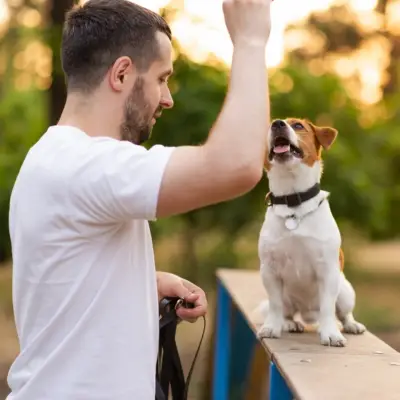




Why Do Dogs Bark in the Garden?
By looking at the triggers behind your dog’s barking, you’ll find it much easier to choose the right training methods and see real progress. Some of the most common causes include:
- Territorial behaviour: Many dogs feel the need to defend their space, barking at people, other animals, and passing cars.
- Boredom: If a dog has little else to do, barking can become their entertainment.
- Attention-seeking: Some dogs bark to encourage you to come outside and engage with them.
- Excitement: Fresh air, smells, and sights can make your dog burst with enthusiasm.
- Fear or anxiety: Unfamiliar sounds, such as fireworks and neighbouring pets, can trigger barking.
Is It Okay for My Dog to Bark in the Garden?
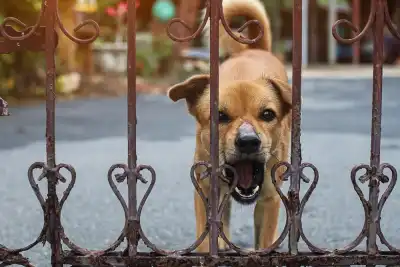
A certain amount of barking is completely normal. After all, it’s your dog’s way of expressing themselves. However, constant barking, especially late at night, can lead to complaints and in some places may be considered a noise nuisance.
Think of the ‘3 bark rule’: let your dog give two or three barks to alert you, then calmly step in and ask them to be quiet. This allows them to do their job without letting barking spiral out of control.
6 Steps to Stop Your Dog Barking in the Garden
With patience, consistency, and the right approach, you can guide your dog towards calmer behaviour and enjoy a more peaceful garden.
1. Supervise Time in the Garden
One of the simplest ways to stop dogs barking in the garden is to be present. If your dog knows you’re there, they are less likely to become overly territorial or bored. Supervision also allows you to redirect their attention before barking escalates.
Instead of letting your dog roam unsupervised, spend a few minutes outside with them. Play games, practice commands, or simply sit with them. Over time, they’ll learn that the garden isn’t a free-for-all barking zone.
2. Teach the ‘Quiet’ Command

The ‘quiet’ cue is one of the most effective tools for reducing barking, because it gives your dog a clear instruction they can understand and act on.
- Allow your dog to bark two or three times.
- Calmly say “quiet” in a firm but gentle tone.
- When they stop barking, even briefly, reward them with praise and a treat.
- Repeat consistently. Eventually, your dog will connect the word “quiet” with the action of stopping barking.
Tip: Start in low-distraction settings first, then gradually build up to more challenging scenarios, like when the neighbour’s dog is outside. Avoid shouting the command as this can encourage some dogs to bark even more, as they think you’re joining in.
3. Break the Habit with Distraction
4. Provide Mental and Physical Stimulation
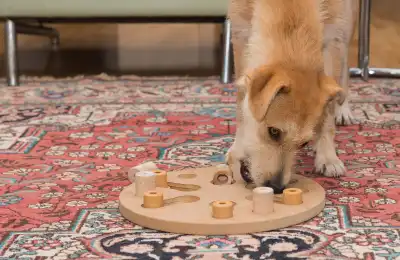
Barking often stems from excess energy or boredom, so it helps to make sure your dog’s needs are met before they head into the garden. A daily walk tailored to their breed and age will burn off physical energy, while puzzle toys or treat-dispensing games can keep their mind busy. Even a short indoor training session can give them the mental stimulation they need. When your dog feels satisfied and engaged, they’re far less likely to treat barking as their main activity outside.
5. Desensitise Triggers
If your dog reacts to specific sounds or sights, such as the neighbour’s cat, gradual desensitisation can help. Start by exposing your dog to the trigger at a distance where they notice it but don’t bark. Reward calm behaviour with treats, and slowly decrease the distance over time, always rewarding quietness. This approach may take weeks, but it helps your dog feel more comfortable and less reactive.
6. Manage the Environment
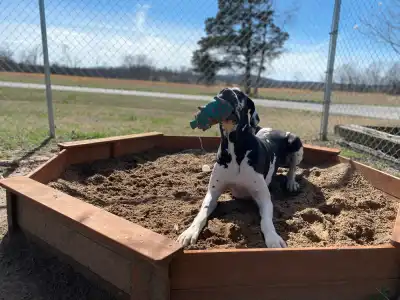
Sometimes the most effective way to reduce barking is to limit what your dog can see and hear. Helpful ideas include:
- Block visual triggers: Use solid fencing, frosted panels, or garden screens to stop your dog from watching every passerby.
- Mask noises: Play calming music or white noise indoors to reduce the impact of sounds from outside.
- Restrict access: Create garden zones or use barriers to keep your dog away from high-barking areas like gates and fence lines.
- Add enrichment outdoors: Scatter food in the grass, use chew toys, or create a digging box to keep your dog’s focus on positive activities instead of the environment.
- Keep visits purposeful: Limit unsupervised time outside, especially if barking is worse at certain times of day.
How Long Will It Take to Stop My Dog Barking in the Garden?
Every dog has different triggers, temperaments, and learning speeds. Some dogs show noticeable improvement within a few weeks of consistent training, while others may take several months to unlearn habits and build calmer behaviours.
Instead of expecting silence straight away, look for small signs that things are moving in the right direction. These might include barking for shorter periods of time, calming down more quickly after a trigger, responding faster to cues such as “quiet”, or choosing to engage in a toy rather than barking.
Recommended for you!
Best SellersFrequently Asked Questions
Why does my dog bark more in the garden than inside?
Many dogs feel a greater sense of responsibility when they’re outdoors. The open space, boundary fences, and new smells can all heighten their awareness of potential “intruders.” Inside, they feel safer and less stimulated, whereas the garden gives them more to monitor.
Should I ignore my dog when they bark in the garden?
Completely ignoring barking often makes things worse, especially if your dog is rehearsing the habit for long stretches. Instead, calmly interrupt the behaviour with a command, recall them inside, or redirect them with a toy or treat. Ignoring is only effective if the barking is purely attention-seeking and you’re confident they’re otherwise safe and calm.
Can two dogs make each other bark more?
Dogs often feed off one another’s energy, so if one starts barking, the other is likely to join in. If you have multiple dogs, practice training sessions individually to build their skills, then bring them together once they’ve learned how to settle.
What should I do if my neighbour complains about my dog’s barking?
Stay calm and polite, even if you feel defensive. Acknowledge their concern and explain that you’re working on training. You might even ask them to let you know when barking is worst, which can help you spot triggers. Taking the complaint seriously shows goodwill and avoids escalating the issue.
Are anti-barking collars a good idea?
Devices that spray, vibrate, or shock to stop barking may interrupt the behaviour temporarily, but they don’t solve the underlying cause and can create fear and anxiety. Training, management, and understanding why your dog is barking are safer, kinder, and more effective long-term solutions.
Study Our Dog Training Diploma for £29
If you’d like to explore dog training in more depth, the Dog Training Diploma Course with Centre of Excellence is a fantastic next step. This online course gives you practical skills, deeper knowledge, and expert guidance to support your dog’s behaviour in many different areas. Right now, you can access the course for a special discounted price of £29!