If you’ve ever found yourself dreading walks because your dog barks or lunges whenever another dog or person appears, this guide is for you. Living with a reactive dog can feel stressful and frustrating, but with the right approach, you can help your dog feel calmer and easier to manage.
This blog post focuses on building trust to improve your dog’s emotional responses, giving you tools to handle tricky situations. Whether you’ve noticed early signs or you’ve been struggling for years, it’s never too late to make progress.
Jump to:
- What is a Reactive Dog?
- Why is My Dog Reactive to Other Dogs?
- Leash Reactivity in Dogs
- What Not to Do with Reactive Dogs
- Dog Reactivity Training: The Key Steps
- How to Distract a Reactive Dog
- Building a Training Plan
- How to Walk a Reactive Dog
- Frequently Asked Questions About Training a Reactive Dog
- Study Our Dog Training Diploma for £29
Recommended for you!
Best Sellers


What is a Reactive Dog?
A reactive dog overreacts to certain triggers, such as other dogs, strangers, bicycles, and loud noises. While most dogs notice these things, reactive dogs respond with far more intensity, often barking, lunging, or growling in ways that can feel overwhelming for both the dog and the owner.
Triggers vary widely. For some dogs, it’s the sight of another dog in the distance. For others, it might be a person wearing a hat, the sound of a skateboard, or sudden loud noises like fireworks. Some breeds have more sensitive temperaments, but reactivity isn’t solely a breed trait; it’s shaped by a mix of genetics and life experiences.
Why is My Dog Reactive to Other Dogs?

Understanding why your dog reacts is the first step in addressing it. Common reasons include:
- Lack of early socialisation: Dogs who missed positive exposure to different people, dogs, and environments during their critical development stages often feel uncertain when faced with something unfamiliar.
- Negative experiences: If your dog has been attacked or frightened by another dog, they may anticipate danger whenever one approaches.
- Frustration: Some dogs react out of sheer excitement, desperate to greet other dogs but unable to do so because of the lead.
- Fear or anxiety: A dog on a lead cannot move away freely. This feeling of being trapped can lead to a bigger, more dramatic reaction.
Once you pinpoint the cause, you can tailor your training approach more effectively.
Leash Reactivity in Dogs
Leash reactivity is one of the most common forms of reactivity. It occurs when a dog becomes overexcited, anxious, or frustrated while restrained. A dog might bark, whine, lunge, or growl; behaviour that can seem aggressive to onlookers but is often rooted in insecurity or fear.
Typical signs of leash reactivity include a stiff, tense body, intense staring at the trigger, sudden lunging or pulling, vocalising (barking or whining), and raised hackles. Recognising these early warning signs gives you the chance to intervene before your dog’s reaction escalates.
What Not to Do with Reactive Dogs
When trying to reduce reactivity, it’s just as important to know what not to do:
- Avoid punishment: Yanking the lead, shouting, and using aversive tools can make your dog more anxious, which usually worsens reactivity over time.
- Don’t “flood” your dog with triggers: Throwing them into overwhelming situations doesn’t teach them to cope; it often makes fear or frustration stronger.
- Stay consistent: Inconsistency in training confuses your dog and slows progress. If you’re using specific cues or techniques, stick to them.
Dog Reactivity Training: The Key Steps

If you want to manage your dog’s reactivity, here are 3 steps:
1. Identify and Understand Triggers
Start by keeping a simple diary of your dog’s reactions. Note what triggered them, how close it was, and how intense the reaction was. A reactivity chart helps you spot patterns, for example, whether your dog reacts only to male dogs, certain breeds, or moving vehicles.
2. Use Desensitisation and Counter-Conditioning
The goal here is to change your dog’s emotional response to their triggers. Begin at a distance where they notice the trigger but don’t react. Pair the sight of the trigger with something your dog loves, usually high-value treats. Over time, the trigger becomes a signal for something positive, not a threat.
3. Have the Right Management Tools
A comfortable, well-fitted reactive dog lead or harness can give you better control and reduce pulling. For some dogs, a headcollar or front-clip harness helps redirect focus back to you, especially for reactive dogs on a leash.
How to Distract a Reactive Dog
Sometimes, distraction is the most effective way to diffuse a situation:
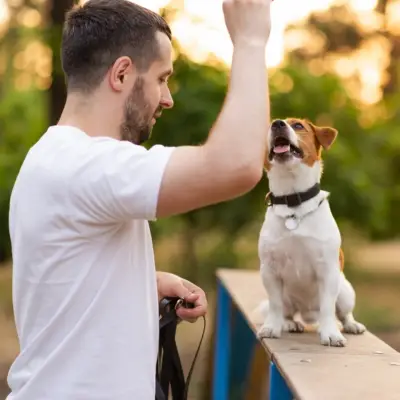
- Teach a “watch me” cue: Hold a treat near your face and reward your dog for making eye contact on cue. This gives them a focus point other than the trigger.
- Scatter feeding: Toss a handful of treats on the ground to encourage sniffing. Sniffing is naturally calming for dogs.
- Change direction: Calmly turn and walk away, keeping a loose lead to avoid tension.
Building a Training Plan
Instead of only reacting in the moment, create a structured plan:
- Start in a low-distraction environment: Practice cues like “watch me” and loose-lead walking at home or in your garden.
- Gradually add mild triggers: Work at a distance where your dog can notice without reacting.
- Reward calm behaviour: Use food, praise, or play as reinforcement.
- Increase difficulty slowly: Move closer to the trigger in small steps over multiple sessions.
How to Walk a Reactive Dog
Walks with a reactive dog don’t have to be tense. Choose quieter routes and times of day, avoid known hotspots, and keep your dog under threshold by adjusting distance from triggers. Stay aware of your surroundings so you can make calm and quick decisions.
Recommended for you!
Best SellersFrequently Asked Questions About Training a Reactive Dog
How do I know if my dog is reactive or just badly behaved?
Reactive dogs aren’t “naughty”; their behaviour is driven by emotion, often fear, frustration, or overexcitement. If your dog consistently overreacts to specific triggers such as other dogs and strangers or loud noises, and their behaviour is intense and difficult to interrupt, they’re likely showing reactivity rather than simple disobedience.
Can reactivity be a sign of pain or illness?
Dogs in pain or discomfort may be more irritable or sensitive, which can show as reactivity. If your dog’s behaviour changes suddenly or seems out of character, a veterinary check-up should be your first step before adjusting training.
Should I let strangers give my reactive dog treats?
Forcing interaction, even with food, can add pressure and make your dog more anxious. It’s better to reward your dog yourself for calm behaviour around strangers at a distance they can handle.
Can certain environments make reactivity worse?
Busy urban areas, crowded parks, or noisy events can all heighten a reactive dog’s stress levels. Choosing calm, open spaces for training can make sessions more successful and less overwhelming.
Are group training classes a good idea for a reactive dog?
Group classes can be overstimulating and your dog may be unable to focus or learn effectively. A one-to-one session with a trainer experienced in reactivity is often a better starting point.
How can I help my dog relax at home after a reactive episode?
After a stressful walk or training session, provide a calm environment. Give them a quiet space, offer a chew or stuffed toy for mental engagement, and keep your own energy low to help them decompress.
Study Our Dog Training Diploma for £29
If you’d like to deepen your knowledge and gain step-by-step guidance from experts, consider enrolling in the Dog Training Diploma Course with Centre of Excellence. You can currently access it for a discounted price of £29; an excellent way to learn proven techniques for training reactive dogs and improving your bond.