Barking is a normal behaviour for dogs and is a part of how they communicate, but excessive noise can become stressful.
This guide explores the reasons why puppies bark and outlines practical ways to train them not to bark excessively. With consistency and positive reinforcement, you can help your puppy learn to stay calm and quiet when it matters most.
Jump to:
Why Do Puppies Bark?
Barking is your puppy’s way of expressing themselves. The most common causes of excessive barking in puppies include:
- Attention-seeking: Puppies quickly learn that barking often gets them noticed, whether through eye contact or a response from their owner.
- Boredom: Puppies need plenty of exercise and mental stimulation. Without it, barking becomes an outlet for unused energy.
- Fear and anxiety: New sights, sounds, and being left alone can make a puppy feel uneasy, leading to barking for reassurance.
- Excitement: Some puppies bark when they’re eager to play, greet someone, or explore something new.
- Alarm or protection: Puppies may bark when they hear unfamiliar noises or see strangers near the home.
Recommended for you!
Best Sellers






How to Train a Puppy Not to Bark
Training puppies not to bark involves helping them understand when barking is acceptable and when it’s time to stop. The goal isn’t to silence them completely; it’s to teach self-control and calm behaviour. Below are three essential training strategies for barking.
1. Stay Calm
When a puppy barks, it can be tempting to raise your voice or react out of frustration. However, shouting often makes things worse. Your puppy may think you’re barking too or view the reaction as attention.
Remaining calm is the first and most important step. Speak softly and avoid eye contact while your puppy is barking. Once they pause, even for a few seconds, reward the quiet moment with gentle praise or a treat. This helps your puppy learn that silence earns your attention, not noise. Each time you stay calm and respond thoughtfully, you reinforce the message that calmness is what you want to see.
2. Teach the “Quiet” Command
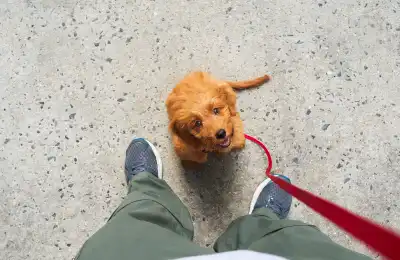
The “quiet” command is one of the most effective ways to teach your puppy to stop barking. It helps them associate the word with calm behaviour and provides a simple cue to follow. To teach this command, follow these steps:
- Wait for your puppy to bark: Don’t interrupt immediately; allow a few barks so they can understand the connection between the behaviour and your instruction.
- Say “quiet” calmly and clearly: Use a steady, gentle voice, and avoid sounding angry or frustrated.
- Wait for silence: Even a moment of quiet counts at first. Timing is key: reward the pause instantly.
- Reward the quiet behaviour: Offer a treat, stroke your puppy gently, or use calm praise such as “good quiet.”
- Repeat regularly: Practice several times a day, especially in situations where your puppy is likely to bark, such as when someone passes the window or during playtime.
- Increase Over Time: Eventually, your puppy will associate the command “quiet” with calm behaviour and begin to stop barking when asked.
3. Reward Calm Behaviour
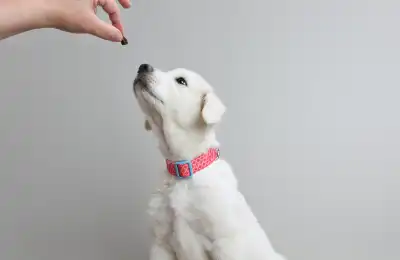
When your puppy is resting quietly or watching the world without barking, use that moment to reward them. Provide praise, treats, or a quick play session to reinforce their good behaviour.
This approach encourages your puppy to remain calm because they begin to understand that quiet behaviour earns positive attention. This method works particularly well for puppies who bark for attention or out of excitement.
The 3 Bark Rule: Setting Limits for Barking

The “3 bark rule” is a simple way to help your puppy understand boundaries. It allows them to express themselves, but sets a clear limit on how long barking is acceptable.
Here’s how to apply it:
- Allow your puppy to bark up to three times when something happens, such as someone arriving at the door.
- After three barks, use the “quiet” command in a calm, confident tone.
- When your puppy stops, reward them immediately with a treat or praise.
This rule teaches your puppy that a short bark to alert you is fine, but prolonged barking should stop once you give the cue. It gives structure and clarity to your training, helping your puppy learn self-control while still feeling heard.
Frequently Asked Questions
Do puppies grow out of barking?
Most puppies go through a barking phase as they explore their environment and learn to communicate. With consistent training and positive reinforcement, barking often reduces as they mature. However, without guidance, the habit can persist into adulthood, which is why early training is important.
Does puppy barking indicate a problem?
Barking can sometimes signal discomfort, fear, or stress. If your puppy’s barking is sudden or persistent, check that they aren’t in pain or hungry. Barking may also be linked to a lack of socialisation or insufficient exercise.
How do you stop a puppy barking in a crate or kennel?
When puppies bark in their crate or kennel, it’s often because they feel unsettled or lonely. To crate train your puppy, ensure the crate feels safe and comfortable with soft bedding and familiar toys. Gradually introduce your puppy to the crate by allowing short, calm periods inside before extending the time. Never let them out while they’re barking; wait for a quiet moment to open the door so they learn that calm behaviour leads to freedom.
Is there a way to quiet down a noisy puppy?
Exercise, mental stimulation, and consistency all help reduce barking. Puppies who are emotionally secure are much less likely to bark excessively. Regular play and quiet time together will all contribute to a calmer puppy.
Recommended for you!
Best SellersStudy Our Puppy Training Diploma for £29
If you’d like to learn more about training techniques and behaviour, explore our Puppy Training Diploma Course. This online course teaches you how to encourage positive behaviour and manage common challenges. Enrol today for just £29!