Dragons appear in legends across Asia, Europe, Africa, and the Americas, sometimes as wise protectors and sometimes as fearsome beasts. Their tales help you understand how ancient people viewed the natural world and divine forces.
This guide explores some of the most fascinating dragons from mythology, offering insight into how these mythical creatures have shaped human imagination for thousands of years.
Jump to:
Understanding Dragon Origin
Scholars believe the idea of the dragon emerged independently across different societies. Some ancient communities may have discovered large fossils, perhaps belonging to dinosaurs or extinct mammals, and interpreted them as evidence of giant serpent dragons or monstrous dragon-like beings. Others based their stories on powerful animals such as crocodiles, large snakes, or even big cats. Over time, these inspirations blended with religious beliefs, fear of natural forces, and cultural symbolism.
Recommended for you!
Best Sellers




What Are the Different Types of Dragons?
Dragons come in many forms, and cultures often distinguish them by their abilities, appearance, and spiritual role. These categories help clarify all types of dragons described in ancient texts.
- Serpent Dragons: These dragons resemble enormous snakes and appear in Asian, African, and Greek myth. They often guard sacred places, such as Ladon in Greek mythology.
- Celestial or Sky Dragons: In East Asia, these dragons command weather, rain, and the heavens. The long dragon of Chinese mythology is the best-known example.
- Water Dragons: These dragons reside in rivers, seas, and lakes. The ryū dragon of Japan and the Korean rain dragon are both associated with storms and water.
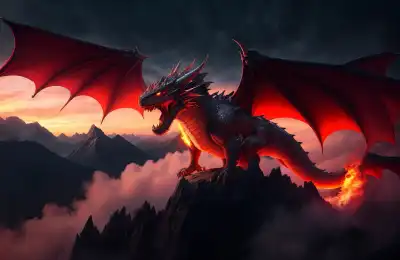
- Fire-Breathing Dragons: Western legends frequently describe dragons that breathe fire and hoard treasure. These dragons appear in Norse mythology, Celtic folklore, and medieval European stories.
- Feathered Dragons: A feathered dragon combines serpent features with bird-like qualities. The most famous is found in Mesoamerican myths.
- Guardian Dragons: Many dragons protect treasures, divine objects, or sacred places. These roles appear in Chinese, Greek, and Celtic myths.
- Chaos or Creation Dragons: These dragons are often tied to the formation of the world or cosmic destruction, such as the Babylonian Tiamat dragon.
8 Famous Dragons in Mythology

The list of dragons in mythology is incredibly long, and each culture offers unique stories that reflect its values and worldview. The dragons described below are iconic examples of mythical dragons known worldwide.
1. Tiamat (Mesopotamian Mythology)
Tiamat is one of the oldest recorded dragon figures. She appears in ancient Babylonian creation stories as a vast sea dragon or serpent, and her body symbolises the primordial oceans and the untamed forces of nature.
In the Babylonian epic, she wages war against the younger gods before being defeated by Marduk. Her body becomes the structure of the universe, marking her as both destroyer and creator. Tiamat is sometimes considered a dragon goddess and is often associated with the idea of the mother of dragons in early mythology.
2. Ladon (Greek Mythology)
Ladon is the legendary guardian of the golden apples in the Garden of the Hesperides. This many-headed serpent dragon watches over the sacred fruit with tireless vigilance. In Greek mythology, he is defeated by Heracles during the hero’s Twelve Labours.
Ladon’s presence in Greek folklore helped shape the Western image of the dragon as a powerful guardian creature. He remains one of the most famous dragons in Greek mythology and often appears in discussions about dragon origin.
3. Jörmungandr (Norse Mythology)
This enormous serpent encircles the world and represents the boundary between the known realm and chaotic forces beyond. When Jörmungandr releases its tail, Ragnarok begins. Its climactic battle with the thunder god Thor is one of the most dramatic scenes in Norse sagas.
4. Fáfnir (Germanic and Norse Mythology)
Fáfnir is a powerful representation of greed and transformation. Originally a dwarf, he becomes a monstrous dragon after being consumed by his desire to protect a hoard of cursed gold, eventually meeting his end at the hands of the hero Sigurd. This tale showcases how dragon myths explore human emotions such as envy, fear, and obsession.
5. Ryūjin (Japanese Mythology)
Ryūjin is a divine sea dragon and one of the most revered figures in Japanese mythology. He rules the oceans from an underwater palace made of coral and is associated with storms, tides, and control over sea creatures.
As a prominent ryū dragon, he appears in stories in which he lends magical jewels to heroes or intervenes in moments that affect the natural world. His tales show the spiritual importance of water in Japanese culture and the cultural respect for dragons as wise, noble beings.
6. Long (Chinese Mythology)
The long dragon is one of the central figures in mythical Chinese dragons. Its shape is long and serpent-like, with a proud, powerful presence symbolising good fortune and harmony. Ancient Chinese dragons appear throughout history in art and imperial symbolism. The long often appears as a rain-bringer or a guardian of rivers and oceans.
7. Quetzalcoatl (Aztec and Mesoamerican Mythology)
Quetzalcoatl is the feathered serpent god in Aztec and earlier cultures. As a feathered dragon, he embodies wisdom, renewal, fertility, and the sky. His image appears in temples, codices, and ceremonial art, symbolising the union of earth and sky. In many traditions, Quetzalcoatl is linked with creation and knowledge.
8. Smok Wawelski (Polish and Slavic Mythology)
The Wawel Dragon, known as Smok Wawelski, is a famous dragon of Kraków in Polish legend. This dragon lived beneath Wawel Hill and terrorised the local people. Many brave knights attempted to defeat it, but success came only when a clever shoemaker tricked the dragon into eating a sheep filled with sulphur, and the creature exploded after drinking water from the Vistula River.
Frequently Asked Questions
How do dragons differ between Eastern and Western mythology?
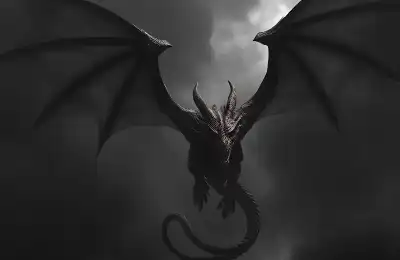
Eastern dragons, such as those found in Chinese, Japanese, and Korean stories, are usually kind, wise creatures connected to water or weather. They are long and snake-like, without wings, and are often seen as protectors or guides. Western dragons, which appear in Norse, Celtic, and medieval European traditions, tend to be winged, fire-breathing beings associated with danger, chaos, and treasure hoards.
Are dragons always considered evil in mythology?
Dragons are not universally evil. In many cultures, they represent balance and wisdom rather than malice. Even in traditions where dragons challenge heroes, such as Norse and Celtic stories, they can symbolise personal growth or the overcoming of internal obstacles.
Do dragons feature in African and Indigenous myths as prominently as in Eurasian stories?
Although dragons are less standardised in African and Indigenous American mythologies, many stories include enormous serpents, river spirits, thunder beings, or sky serpents that function similarly to dragons. These creatures often protect sacred landscapes or act as guides and guardians in spiritual journeys.
How have dragons influenced modern storytelling?
Dragons continue to inspire literature, films, games, and art. Modern interpretations often blend traits from various cultures, creating dragons that can be wise mentors, powerful enemies, or misunderstood creatures. Their flexibility as mythical beings allows storytellers to explore themes of strength, transformation, friendship, and the balance between nature and civilisation.
Recommended for you!
Best SellersStudy Our Norse Mythology Diploma for £29
If you enjoy exploring famous dragons in mythology and want to learn more about mythical creatures, world legends, ancient civilisations, and cultural symbolism, the Norse Mythology Diploma Course offers an in-depth, accessible way to continue your learning. The course is available for just £29.