If you’ve ever been fascinated by dragons, curses, and tales of greed, then Fafnir in Norse mythology is a story that will capture your imagination. Once a proud dwarf, Fafnir’s transformation into a fearsome dragon makes him one of the most memorable Norse monsters. His tale is about the dangers of envy and corruption, sharing timeless lessons that still resonate today.
In this guide, you’ll explore who Fafnir was, how he became a dragon, what he symbolises, and why his story continues to inspire modern fantasy, from The Hobbit’s Smaug to countless other dragon tales.
Jump To:
- Who Was Fafnir in Norse Mythology?
- The Story of Fafnir’s Transformation
- What Kind of Dragon Is Fafnir?
- Who Killed Fafnir in Norse Mythology?
- The Curse of Fafnir
- What Does Fafnir Symbolise?
- How Powerful Is Fafnir?
- Fafnir’s Legacy and Cultural Influence
- Lessons from Fafnir’s Story
- Common Questions About Fafnir in Norse Mythology
- Study Norse Mythology for £29
Who Was Fafnir in Norse Mythology?
Fafnir began life as a dwarf, one of three brothers born to the powerful dwarf king Hreidmar. The dwarves in Norse mythology were highly skilled craftsmen, known for creating magical objects for the Norse gods themselves. Fafnir was the strongest and most ambitious of Hreidmar’s sons, often described as brave but also proud and greedy.
His father, Hreidmar, was a wealthy dwarf who owned a hoard of treasure. This would become both his family’s pride and their downfall.
The Story of Fafnir’s Transformation
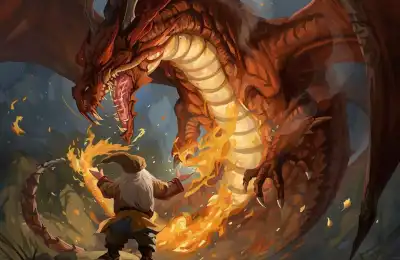
The myth of Fafnir begins with tragedy and greed. Loki, the trickster god, accidentally killed Fafnir’s brother Ótr. To repay Hreidmar, the gods offered a massive ransom in gold. Among this treasure was the cursed Ring of Andvari – a ring that would bring death and misfortune to anyone who possessed it.
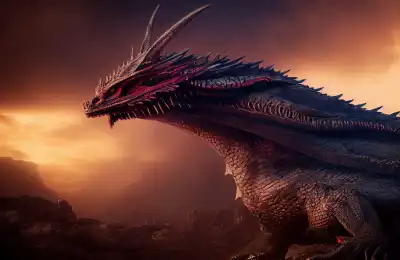
Hreidmar accepted the treasure, but Fafnir and his brother Regin were soon consumed by greed. Fafnir murdered his father to claim the hoard for himself. However, fearing that others would try to steal it, he fled into the wilderness and used his magic to transform into a dragon, becoming the ultimate guardian of wealth.
In this monstrous form, Fafnir became known as one of the most powerful dragons in Norse mythology, embodying greed and isolation. His transformation was both physical and symbolic: he had become the very monster his greed had made him within.
What Kind of Dragon Is Fafnir?
Fafnir is not a fire-breathing dragon in the traditional sense. In Norse mythology, dragons (or wyrms) were serpentine creatures associated with greed, death, and chaos rather than flight and flames.
Fafnir’s dragon form was described as vast, venomous, and terrifying, a serpent-like creature with scales as strong as iron and a heart as dark as the curse he carried.
Who Killed Fafnir in Norse Mythology?
Fafnir’s reign of terror eventually ended at the hands of the legendary hero Sigurd (also known as Siegfried in Germanic myth). Trained by Fafnir’s brother Regin, Sigurd was tasked with killing the dragon and claiming the treasure.
Using his wits, Sigurd dug a trench and hid beneath it. As Fafnir slithered over the pit to drink water, Sigurd drove his sword up into the dragon’s heart, mortally wounding him. Before he died, Fafnir warned Sigurd of the curse that would follow anyone who took the gold, a prophecy that indeed came true.
This moment, often called the slaying of Fafnir, became one of the most famous scenes in Norse mythology, later inspiring epic tales like Beowulf and The Volsunga Saga.
The Curse of Fafnir
The curse of Fafnir is central to his myth. It came from the Ring of Andvari, which was said to bring ruin to all who possessed it. Once Fafnir took the ring and the treasure, his greed consumed him, transforming him into a dragon doomed to live in solitude.
This curse followed everyone who came into contact with the treasure, including the hero Sigurd. The story serves as a reminder that unchecked desire can twist even the noblest being into something monstrous.
What Does Fafnir Symbolise?
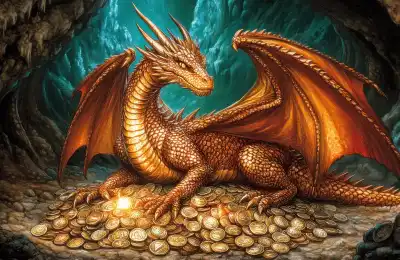
Fafnir is a symbol of greed, power, and isolation. His story reveals deep lessons about human nature and the consequences of greed.
- Greed and Corruption: Fafnir’s obsession with treasure shows how the hunger for wealth and power can consume a person’s soul, leading to moral decay.
- Isolation and Loneliness: His choice to live alone as a dragon symbolises how greed can separate us from others, cutting us off from love and connection.
- The Dangers of Obsession: Fafnir’s transformation warns of what happens when ambition or desire becomes all-consuming, turning strength into self-destruction.
- Emotional Hoarding: His treasure hoard can also be seen as a metaphor for guarding one’s emotions or refusing to open up. It’s a reminder that holding onto things too tightly, whether money or feelings, often leads to misery.
- A Mirror to Humanity: Ultimately, Fafnir reflects the darker side of human ambition, the idea that anyone, if ruled by greed, can become the monster in their own story.
How Powerful Is Fafnir?
As a dragon, Fafnir was extremely powerful. His strength was immense, his scales were nearly impenetrable, and his venom was deadly. Few dared approach him, and even fewer survived his wrath. But his true power came not from his physical form, but from the fear and myth surrounding him.
The story of Fafnir illustrates that power gained through greed is never stable. Although he was feared, his isolation and the curse made him a prisoner of his own wealth.
Fafnir’s Legacy and Cultural Influence
Fafnir’s tale is one of the most enduring in Norse mythology. His story has influenced medieval epics and operas, as well as modern fantasy. From Richard Wagner’s Ring Cycle to Tolkien’s The Hobbit, his image as the dragon corrupted by greed has shaped how we view dragons in literature today.
His myth also resonates on a symbolic level. Fafnir reminds us that the pursuit of power and wealth without compassion can turn us into something we no longer recognise. His downfall isn’t just about slaying a monster; it’s about confronting the monster within.
Lessons from Fafnir’s Story
Fafnir’s myth teaches that greed isolates and destroys. His transformation into a dragon was both a punishment and a reflection of his soul. Despite his immense power, he lived and died alone, consumed by the very treasure he sought to protect.
For you as a reader, his story can serve as a reflection on what you value most. True strength lies not in hoarding or control, but in balance and self-awareness. These are lessons that Norse mythology often weaves through its most tragic figures.
Common Questions About Fafnir in Norse Mythology
Why Do Dwarves Hate Fafnir?
After Fafnir’s transformation and betrayal, he became a symbol of everything the dwarves despised. Dwarves in Norse mythology valued craftsmanship, kinship, and honour. Fafnir’s greed and patricide — killing his own father for gold — made him a figure of disgrace among his kind. His story was often told as a warning about the corrupting influence of greed and the loss of humanity that can follow it.
What Colour Is Fafnir?
The myths describe Fafnir’s appearance in various ways, but many sources suggest his scales were dark green or gold, symbolising his connection to the cursed treasure he guarded. Gold represents greed and materialism, while green is often linked to envy, both fitting colours for a dragon consumed by desire.
Was Smaug Inspired by Fafnir?
J.R.R. Tolkien, a scholar of Norse mythology, drew heavily on Fafnir when creating Smaug in The Hobbit. Both dragons are greedy, intelligent, and eloquent, speaking with arrogance and wisdom in equal measure. They both guard vast hoards of gold and meet their end at the hands of brave heroes.
Is Fafnir a Boy or a Girl?
In Norse mythology, Fafnir is male. He is consistently referred to as the son of Hreidmar and the brother of Regin and Ótr.
Recommended for you!
Best Sellers





Study Norse Mythology for £29
If you’ve enjoyed learning about Fafnir in Norse mythology and want to explore more about the gods, heroes, and legends of the Viking world, our Norse Mythology Diploma Course is the perfect next step.
You can learn more about myths like Odin’s wisdom, Loki’s tricks, and the great sagas of the Norse gods, all while studying at your own pace. And right now, you can access the course for just £29!