Celtic mythology is filled with fierce heroes, epic battles, and stories of bravery that have stood the test of time. Among these legendary figures, Cú Chulainn is one of the most celebrated warriors in Irish myth. His story blends human courage with divine destiny, exploring themes of strength and honour that continue to fascinate people today.
Whether you’ve come across Cú Chulainn through Irish folklore or popular culture, understanding who he was and why he’s so significant helps you appreciate the depth of Celtic storytelling and the lessons hidden within it.
Jump to:
- Who is Cú Chulainn in Celtic Mythology?
- Cú Chulainn’s Origins and Prophecy
- The Powers and Abilities of Cú Chulainn
- The Táin Bó Cúailnge: Cú Chulainn’s Greatest Battle
- Cú Chulainn’s Morality and the Taboos He Faced
- Cú Chulainn’s Death and Legacy
- Cú Chulainn’s Symbols and Animal Associations
- Cú Chulainn’s Castle and Places Linked to His Story
- Cú Chulainn In Modern Day Culture
- Common Questions About Cú Chulainn
- Study Celtic Mythology for £29
Who is Cú Chulainn in Celtic Mythology?
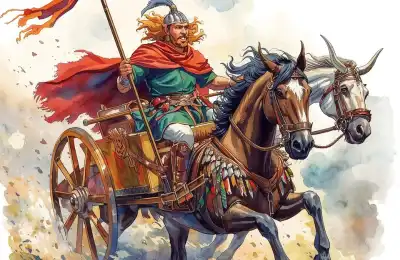
Cú Chulainn (pronounced Koo Kull-in) is often described as Ireland’s greatest mythological hero. His name means “Hound of Culann”, which links to one of his earliest tales, telling of how he gained his famous name.
Originally born Setanta, he was the nephew of the warrior king Conchobar mac Nessa of Ulster. As a child, Setanta displayed exceptional strength and courage. One day, while travelling to a feast at the home of a smith named Culann, Setanta killed the man’s fierce guard dog in self-defence. To make up for this, the young hero offered to guard Culann’s home until a new dog could be trained.
From that day, he became known as Cú Chulainn, meaning “the Hound of Culann.”
Cú Chulainn’s Origins and Prophecy
Cú Chulainn’s destiny was shaped from birth. According to myth, his father was the Celtic god Lugh, associated with skill and battle prowess, while his mother Deichtine was a mortal woman. Because of this divine heritage, he possessed extraordinary powers, including strength, speed, and an almost supernatural rage in battle.
Yet even before he grew into a warrior, Cú Chulainn’s fate was foretold. It was prophesied that he would achieve everlasting fame and glory, but his life would be tragically short. This theme of destiny runs through all his stories, showing that even heroes cannot escape their fate.
The Powers and Abilities of Cú Chulainn
Legends describe Cú Chulainn as a man of superhuman ability. When enraged in battle, he experienced a terrifying transformation known as the ríastrad, or “warp spasm.” During this state, his body would contort, his hair would stand on end, and his strength would multiply beyond measure. This wild fury made him unstoppable but also isolated him from others, blurring the line between man and beast.
He was said to be able to leap great distances, fight entire armies alone, and even deflect weapons mid-air. His skill with his spear, the Gáe Bolg, was unmatched. This weapon was said to explode into barbs once it entered an enemy’s body. It symbolised his tragic destiny, as the same spear would one day lead to his death.
The Táin Bó Cúailnge: Cú Chulainn’s Greatest Battle
The most famous tale featuring Cú Chulainn is the Táin Bó Cúailnge (The Cattle Raid of Cooley). This epic story tells how Queen Medb of Connacht waged war against Ulster to seize a prized bull. When the warriors of Ulster were struck down by a mysterious curse, Cú Chulainn stood alone to defend his homeland.
In this saga, he fought countless champions single-handedly, often facing them one by one to prevent unnecessary bloodshed. His courage and sense of honour shine through in these stories, showing why he is remembered as the ultimate Celtic hero.
Cú Chulainn’s Morality and the Taboos He Faced
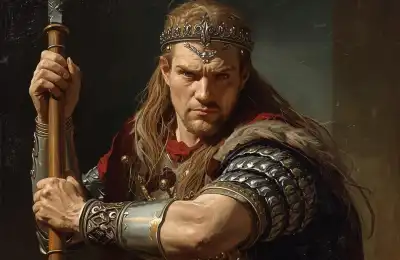
One of the most intriguing aspects of his story is his adherence to geasa — sacred oaths or taboos that could never be broken.
In one version of his legend, he was bound by two contradictory taboos: he could never refuse hospitality, and he could never eat dog meat. Tragically, an old woman once offered him a meal of hound’s flesh, leaving him with an impossible choice. By eating it, he broke one taboo; by refusing, he would break another. He chose to eat, sealing his fate and weakening himself before his final battle.
This moment captures the moral complexity of Celtic mythology and the idea that even heroes must face impossible dilemmas and that destiny cannot be avoided.
Cú Chulainn’s Death and Legacy
Cú Chulainn’s death is as dramatic as his life. Knowing his prophecy was near fulfilment, he faced his enemies bravely, even as he was outnumbered. After being struck down by his own spear, he tied himself to a standing stone so he could die on his feet, still facing his foes.
When his enemies approached, afraid he might still be alive, a raven landed on his shoulder, a symbol of death and the goddess Morrígan, who had once loved and cursed him. Only then did they realise the great warrior had fallen.
This ending reinforces the central theme of fate, that even the greatest heroes must bow to destiny. Yet, through his courage and loyalty, he became a symbol of resilience that endures in Irish culture to this day.
Cú Chulainn’s Symbols and Animal Associations
Animals hold deep meaning in Celtic mythology, often symbolising bravery and transformation. In Cú Chulainn’s story, these creatures reveal important truths about his nature and destiny.
- The Hound: The hound represents loyalty, courage, and guardianship, the same qualities that defined Cú Chulainn throughout his life. As the “Hound of Culann,” it symbolises his devotion and sense of duty.
- The Raven: The raven is linked with death and rebirth, reflecting the tragic yet transformative end of his story. It also represents his connection to the goddess Morrígan and the cycle of fate.
Cú Chulainn’s Castle and Places Linked to His Story
Throughout Ireland, various landmarks are tied to Cú Chulainn’s legends. Sites such as Dún Dealgan in County Louth are believed to be his birthplace or home. Standing on ancient Irish soil, these places connect the myths to the real landscape, reminding people that legend and history often intertwine.
As for where Cú Chulainn is buried, different stories exist. Some say he was laid to rest near the River Boyne, others that his spirit remains in Ulster, guarding his homeland forever.
Cú Chulainn In Modern Day Culture
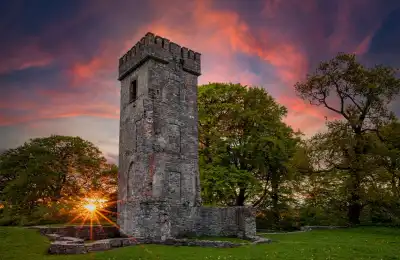
Cú Chulainn’s stories have lasted for over two thousand years because they speak to something universal: the desire to live with honour, to protect what matters most, and to face life’s challenges with courage. His tale reminds us that even heroes are human, shaped by loyalty and fate.
His story has inspired countless works of art, poetry, and literature, from ancient manuscripts to modern plays and sculptures. Even today, his image appears in murals, particularly in Northern Ireland, where he’s seen as a symbol of courage and national pride.
Common Questions About Cú Chulainn
How do you pronounce Cú Chulainn in Irish?
The most common pronunciation is Koo Kull-in, though older Irish speakers may say Koo Hoo-lin.
Why is Cú Chulainn important?
Cú Chulainn is important because he embodies the timeless qualities of bravery, loyalty, and tragic heroism. These traits continue to resonate across cultures and centuries.
Was Cú Chulainn a real person?
While he’s a mythological figure, many believe Cú Chulainn’s story may have been inspired by real Iron Age warriors, whose deeds were magnified through oral storytelling.
What weapon did Cú Chulainn use?
His legendary spear, the Gáe Bolg, was said to have been given to him by the warrior woman Scáthach, who trained him in Scotland.
What was Cú Chulainn’s dog called?
The hound Cú Chulainn killed belonged to Culann, though its name isn’t recorded in most versions of the tale.
Recommended for you!
Best Sellers
Study Celtic Mythology for £29
If you’ve enjoyed learning about Cú Chulainn and want to explore the wider world of Celtic gods, heroes, and symbols, our Celtic Mythology Diploma Course is a wonderful next step. You’ll discover the rich stories behind Ireland, Scotland, and Wales’ ancient traditions, gaining deeper insight into how mythology continues to influence modern culture. You can currently access this course for a discounted price of just £29!