Candles hold stories that stretch far beyond mere decoration. From their earliest uses to the symbolism they carry today, the humble candle has lit up human life in more ways than one. This guide explores the origins, symbolism and uses for candles in the past and present.
Jump to:
- Where Did Candles Originally Come From?
- The History of the Candle Through Ancient Civilisations
- When Was the First Candle Made?
- Candle Ceremonies at Weddings and the Unity Candle Tradition
- What Does a Candle Represent?
- Lighting Candles and the Spiritual History of Candles
- What Do Candles Symbolise?
- Candle Superstitions and Symbolic Folk Beliefs
- The Enduring Appeal of Candle Symbolism Today
- Common Questions About Candle Symbolism
- Study Candle Making for £29
Where Did Candles Originally Come From?
To understand the origin of candles, you have to imagine a world before electricity, where fire was humanity’s main source of light and warmth. Candles were one of the earliest portable forms of light, but when were candles invented, and where exactly did they come from?
Historians believe that the first candle emerged thousands of years ago, independently in several ancient cultures. There is no single clear answer to who invented the candle, because many civilisations created their own early versions. The Egyptians, for example, soaked reeds in melted animal fat to create what we now call “rushlights”. These weren’t true candles with wicks, but they served a similar purpose. Meanwhile, the Romans began producing early wick candles made from tallow around 500 BCE, which many people consider the closest ancestor of the modern candle.
China and Japan also developed early forms of candle making. In China, wax was often made from insects and seeds, whereas in Japan, candles were produced from the waxy fruit of the sumac tree. Because these inventions appeared in multiple places, the history of candle-making is a beautiful tapestry of human creativity across continents.
The History of the Candle Through Ancient Civilisations
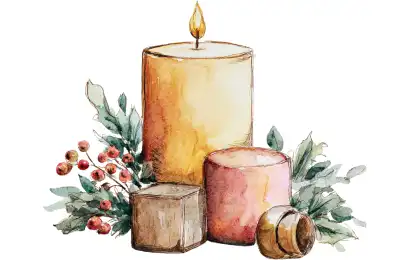
As you follow the history of the candle, it becomes clear how deeply connected candles are to culture, ritual, and daily life. In ancient Greece, candles were used during religious festivals, honouring the gods with light. In Rome, they became everyday household tools, especially useful during winter and long nights.
Candles also played an important role in early Jewish and Christian traditions, where the use of lamps and candles symbolised divine presence and spiritual guidance. Historically, their purpose wasn’t decorative; they represented enlightenment and faith. Over time, candles became closely linked with ceremonies and seasonal rituals.
Medieval Europe saw major developments in candle crafting. Beeswax candles became popular among churches and wealthier households because they burned brighter and cleaner than tallow. However, they were costly, so most people continued to use tallow until the rise of more affordable waxes centuries later.
When Was the First Candle Made?
Pinpointing exactly when the first candle was made is tricky, but we know candles became more refined during the Middle Ages. Candle makers formed their own guilds across Europe, and their craft was respected because lighting was essential to everyday life, from home cooking to night-time work.
Later, in the 18th and 19th centuries, innovations changed candle production again. The discovery of spermaceti wax created candles that burned cleanly and didn’t soften during warm temperatures. Paraffin wax, which arrived in the 1850s, made candles far more accessible to ordinary households. Paraffin remained a standard for many years and is still used today alongside soy, coconut, and beeswax.
Candle Ceremonies at Weddings and the Unity Candle Tradition
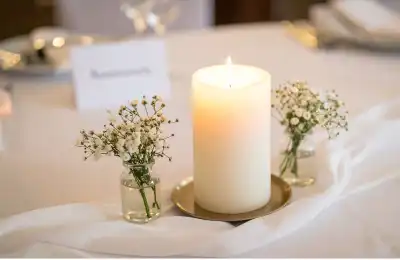
Candles have long been part of important life celebrations, with one of the most well-known examples being the unity candle used in many modern Western weddings. If you’re curious about how candle ceremony wedding traditions started, the concept is relatively recent, becoming popular in the 20th century.
During candle ceremonies at weddings, two taper candles—often lit by family members—are used by the couple to light a single central candle. This act is meant to represent the joining of two lives, two families, and two paths into one shared future. The significance of candle lighting in this context is incredibly personal. For some, it symbolises harmony and commitment; for others, it's a spiritual act of unity, trust, or blessing.
Although not present in every culture, these ceremonies highlight how candles continue to play a meaningful role in marking transitions and celebrating love.
What Does a Candle Represent?
Across cultures and time periods, candles have been associated with warmth, hope, comfort, and presence. The symbol of a candle is incredibly versatile, which explains why candles appear in celebrations, memorials, worship, and healing practices.
Candles represent illumination—both physical and emotional, and can mark beginnings and endings, bring comfort to grief, or enhance joy. Their calm light creates a space where you can feel grounded and inspired. When used intentionally, candles have an extraordinary way of helping you pause and reflect.
This is also why many spiritual and religious traditions focus on the lighting of candles in rituals. Whether used to honour ancestors, invite blessings, or set an intention, a candle's flame often carries feelings of peace and connection.
Lighting Candles and the Spiritual History of Candles
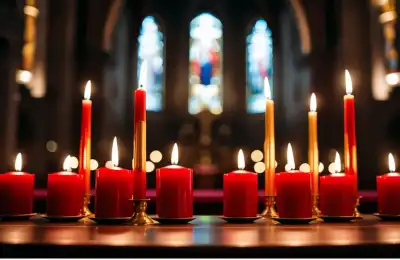
The spiritual history of candles is rich and widespread. Light has always symbolised clarity, purity, and transformation. That’s why candles appear in Christian, Jewish, Hindu, Buddhist, and Pagan traditions. Candles themselves are not tied to any one belief system; many ancient cultures used them in rituals, so their spiritual symbolism is broader than one specific tradition.
Candles have long been used in churches to represent the presence of the Holy Spirit in prayer and remembrance. In certain traditions, the candle flame symbolises divine light and guidance.
In Pagan and Wiccan practices, candles often represent the elements, intention-setting, and spiritual energy. Much of their power comes from the way they combine fire, scent, colour, and intention to help a person focus their mind and energy.
What Do Candles Symbolise?
If you explore what candles symbolise across cultures, you’ll find recurring themes of hope, remembrance, transition, and spiritual connection. For many, candle lighting is a way to mark a moment in time.
The element of fire also plays a major role, as fire has long symbolised purification and renewal. When someone lights a candle, they are often engaging in a quiet ritual, whether to honour a loved one, meditate, pray, or express gratitude. This is where the symbolism of candles becomes powerful: one simple light can transform the atmosphere and your emotional state.
Some people want to know about the prophetic meaning of candles, especially in spiritual or divination practices. In these contexts, a candle flame can be associated with guidance, clarity, or answers to questions asked during meditation or prayer.
Candle Superstitions and Symbolic Folk Beliefs
Candles are surrounded by folklore, and many people wonder about the meanings behind candle behaviour. For instance, a flickering flame is sometimes believed to indicate the presence of spirit activity or shifting energy, while a candle that struggles to stay lit might be interpreted as a sign of resistance or imbalance in the environment.
Although these interpretations vary widely, they reveal how deeply humans connect candles with the unseen or the mysterious. In many forms of witchcraft, candles are used to support spell work or represent specific energies based on their colour or scent.
The Enduring Appeal of Candle Symbolism Today
In modern life, candles continue to bring comfort and significance. They mark major life events through rituals such as the unity candle at weddings, and accompany moments of quiet reflection, supporting spiritual exploration. Their long history, from tallow and beeswax to scented soy and natural blends, reminds you that humans have always been drawn to light.
Common Questions About Candles
What Do Seven Candles Symbolise?
In some traditions, seven candles can represent seven days, seven gifts of the spirit, seven chakras, or seven aspects of personal growth. The meaning depends on the cultural or religious framework, but there’s usually a connection to wholeness or divine order.
For example, in Christian symbolism, seven candles might relate to spiritual enlightenment or the seven spirits of God described in scripture. In metaphysical practices, seven candles may represent the seven chakras of the body. This is a perfect example of how candle symbolism evolves through different belief systems.
What is the 84 rule for candles?
The 84 rule is often mentioned in online contexts relating to candle burn time and usage. In many cases, it suggests that a candle should burn one hour for every inch of diameter. Although not strictly scientific, it’s used by some candle enthusiasts as guidance for achieving an even burn and preventing tunnelling.
Is Burning Candles Pagan?
Candles existed long before organised religion, so they were naturally used in many types of rituals. While Pagan and Wiccan practices continue to use candles for symbolism and intention, candle lighting itself is not exclusive to Paganism.
You’ll find candles in churches, temples, shrines, homes, meditation spaces, and cultural ceremonies worldwide. Their use is universal, which is why it’s more helpful to see candle lighting as a symbolic act shared across humanity, rather than belonging to a single belief system.
Why Are Candles So Spiritual?
Candles feel spiritual even without formal religious context. Their warm glow and calming effect naturally encourage reflection, and many people feel their minds slow down when a candle is lit, allowing them to breathe more deeply or feel more grounded. The flame represents focus, presence, and transformation, which are qualities at the heart of many spiritual practices.
Whether used in meditation, prayer, memorials, celebrations, or intention-setting, candles help you connect with meaning. Their simplicity is part of what makes them so powerful.
Recommended for you!
Best Sellers


Study Candle Making for £29
To take the next step, you can deepen your knowledge and learn how to create beautiful, high-quality candles with our Candle Making Diploma Course. Enrol today for a discounted price of £29, giving you everything you need to begin your candle making journey from the comfort of your home.