There’s also something charming about the idea that everyone has a birth flower – a bloom linked to the month they were born in, carrying its own symbolism and story.
Birth flowers are often used to celebrate birthdays, decorate gifts, influence tattoo designs, and support spiritual or personal development. Even if you’re just curious, learning about your birthday bloom is a nice way to add meaning to your life and relationships. This guide brings together a complete birth flower list with insight into their deeper meanings and symbolism.
Jump to:
- What Are Birth Flowers?
- What Are the 12 Month Birth Flowers?
- Birth Flower Meanings and Symbolism
- Why Do Months Have Two Birth Flowers?
- Who Decided on Birth Month Flowers?
- How Birth Flowers Connect with Astrology and the Zodiac
- Flowers, Identity, and Personal Reflection
- How to Use Your Birth Flower in Everyday Life
- Study Astrology for £29
What Are Birth Flowers?
Birth flowers are specific blooms associated with each month of the year. Much like birthstones, they act as personal symbols connected to your identity, personality, and the season you were born in.
The definition of birth flowers can vary slightly depending on cultural traditions, but the most widely accepted list comes from a blend of British and American floral symbolism. Although you’ll find variations worldwide, the general set of 12-month birth flowers has become a popular guide.
Birth plants, or the flowers connected to your birth month, are often used in gifts, celebrations, and even spiritual or healing work. Many people enjoy exploring their birthday flower meanings because it adds a gentle layer of personal insight.
What Are the 12 Month Birth Flowers?
Here’s a quick overview of each month’s birth flowers. We’ll dive into their meanings and symbolism below.
- January: Carnation, Snowdrop
- February: Violet, Primrose
- March: Daffodil
- April: Daisy, Sweet Pea
- May: Lily of the Valley, Hawthorn
- June: Rose, Honeysuckle
- July: Larkspur, Water Lily
- August: Gladiolus, Poppy
- September: Aster, Morning Glory
- October: Marigold, Cosmos
- November: Chrysanthemum
- December: Holly, Narcissus
Birth Flower Meanings and Symbolism
Let’s now look at the deeper meaning of the flowers for each birth month, including what they symbolise and how you might use them in everyday life. Use the images below if you’re looking for birth flower tattoo ideas.
January – Carnation and Snowdrop
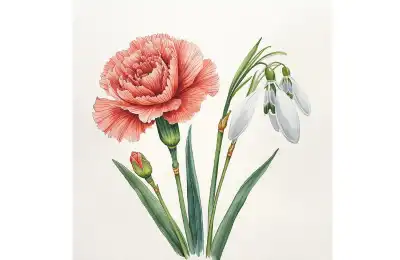
January’s birth flowers, the carnation and snowdrop, both carry themes of hope and resilience. Carnations symbolise admiration and love, with their layered petals and winter-friendly colours making them a cheerful addition to colder months. Snowdrops, which bloom even through frost, represent renewal and quiet strength, often linked to fresh starts and new beginnings.
February – Violet and Primrose
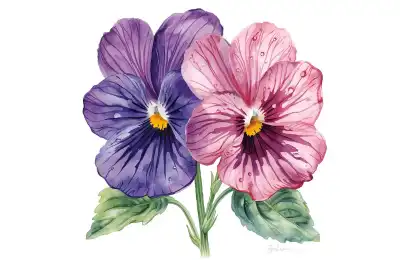
February’s flowers, the violet and primrose, bring warmth and gentle emotion to an otherwise chilly month. Violets symbolise loyalty, modesty, and deep affection, making them a thoughtful choice for expressing heartfelt feelings. Primroses are associated with youth, early love, and the approach of spring, traditionally expressing the message: “I can’t live without you.”
March – Daffodil
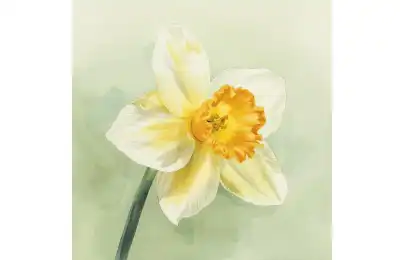
March is represented by the daffodil, a bright and uplifting flower that symbolises renewal and joy. Its golden petals are often seen as a sign that spring is truly arriving. Because of this, daffodils are widely associated with hope and positive new beginnings.
April – Daisy and Sweet Pea
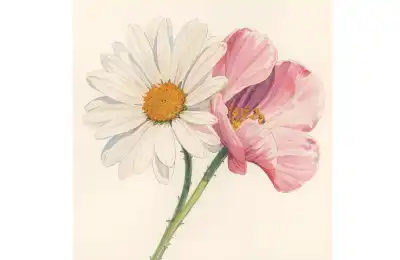
April’s flowers, the daisy and sweet pea, both reflect gentle, cheerful qualities. Daisies symbolise purity, innocence, and trust, while also carrying a strong association with friendship. Sweet peas, often used in celebrations, represent gratitude and simple pleasure, making them a lovely way to say thank you.
May – Lily of the Valley and Hawthorn
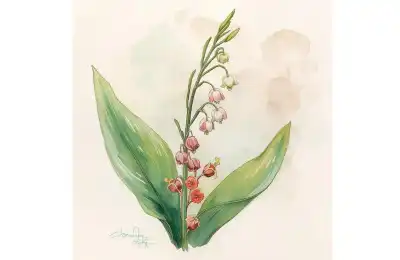
May’s birth flowers, lily of the valley and hawthorn, are tied to tenderness and protection. Lily of the valley symbolises sweetness, sincerity, and the return of happiness, giving it a soft and sentimental charm. Hawthorn, with its delicate blossoms, represents hope and fertility, making it a meaningful choice for May celebrations and gifts.
June – Rose and Honeysuckle
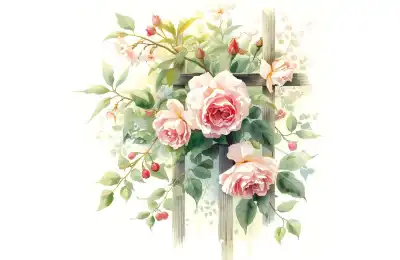
June’s flowers, the rose and honeysuckle, are deeply connected with themes of love and devotion. The rose symbolises passion and affection, though its meaning can change depending on the colour. Honeysuckle represents long-lasting bonds and heartfelt commitment, making it a lovely companion flower for this month.
July – Larkspur and Water Lily
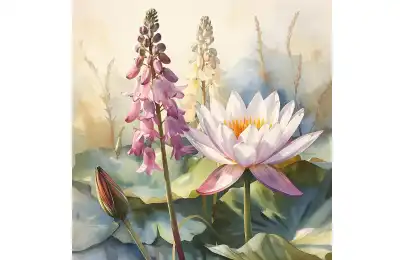
July’s birth flowers, larkspur and water lily, blend elegance with emotional depth. Larkspur represents positivity and strong emotional connections. Water lilies symbolise purity and peace, and across many cultures they are linked with spiritual growth and inner calm.
August – Gladiolus and Poppy
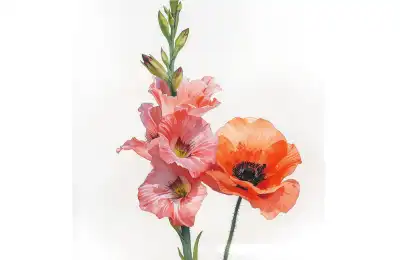
August is represented by the gladiolus and poppy, both rich in meaning and visual impact. Gladiolus, with its tall and striking stems, symbolises strength, integrity, and determination. Poppies can signify peace and remembrance depending on their colour and variety, giving this month a mix of reflective and powerful symbolism.
September – Aster and Morning Glory
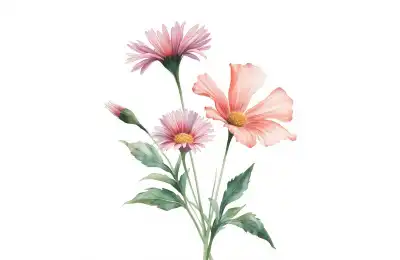
September’s flowers, the aster and morning glory, offer themes of wisdom and appreciation for fleeting moments. Asters symbolise elegance and deep affection, making them a thoughtful choice for meaningful gestures, while morning glories, which bloom beautifully at dawn and close by nightfall, reflect affection and the passing nature of time.
October – Marigold and Cosmos
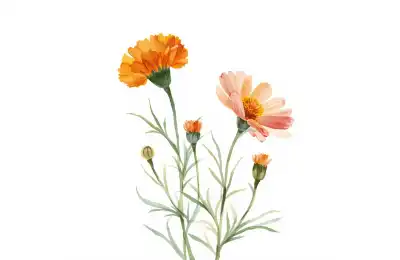
October’s birth flowers, marigold and cosmos, bring warmth and harmony to autumn. Marigolds symbolise creativity, passion, and determination, often used to inspire confidence and energy. Cosmos represent balance and a calm approach to life’s challenges, complementing the fiery spirit of the marigold.
November – Chrysanthemum
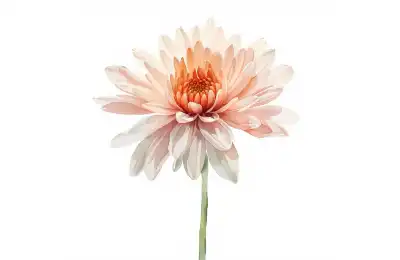
November’s flower is the chrysanthemum, a bloom full of positivity and heartfelt meaning. It symbolises friendship and longevity, making it a thoughtful flower for expressing appreciation. In many cultures, chrysanthemums are also associated with protection and well-being.
December – Holly and Narcissus
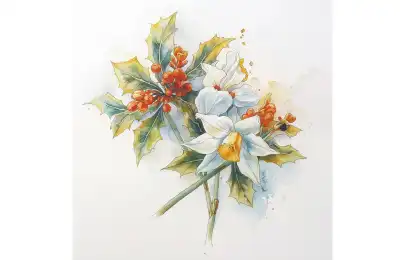
December’s flowers, holly and narcissus, bring symbolism of goodwill and hope to the festive season. Holly represents protection and kindness, with its vibrant berries adding a sense of celebration. Narcissus, especially the delicate paperwhite variety, symbolises optimism and fresh inspiration as the year draws to a close.
Why Do Months Have Two Birth Flowers?
As you look through birth flowers each month, you’ll notice that some months have two flowers instead of one. The reasons for this are practical and historical. Different cultures and traditions assigned different flowers, and over time, both were kept to offer more choice and seasonal accuracy. For example, some flowers aren’t widely available in certain climates, so a second choice helps keep the symbolism accessible. Having two flowers also means different personality traits or meanings might resonate with you.
Who Decided on Birth Month Flowers?
There wasn’t a single governing body or person who decided the complete birth flower list. Instead, the associations developed over centuries. Victorian floriography, ancient folklore, and regional traditions all played a part. Florists and historians eventually gathered these ideas into the commonly used birthday flowers chart you’ll see today. Birth flowers evolved naturally, shaped by the stories people told and the symbolism passed down through generations.
How Birth Flowers Connect with Astrology and the Zodiac
Many people enjoy combining their birth flowers with their zodiac sign for a fuller picture of personality and symbolism. This idea is sometimes called the floral zodiac or astrological flowers. In this approach, each star sign has flowers believed to complement its energy. Here are some general associations:
Flowers, Identity, and Personal Reflection
Whether you’re drawn to your birth month flower because of its colour, meaning, or folklore, it can become a lovely symbol of identity. Some people use their birth flowers in meditation, journalling, art, or altar spaces. Others simply enjoy having them in their homes.
Exploring your birthday flowers chart can deepen your connection with nature and provide simple inspiration day-to-day. You might find that your birth blooms reflect qualities you already value, or they might highlight traits you’d like to embrace more fully.
How to Use Your Birth Flower in Everyday Life
Here are a few ways to bring your birth flower into your routine:
- Celebrations and Gifts: Using flowers for birthday month celebrations is a meaningful alternative to more generic bouquets. Adding someone’s birth flower to a present makes the gift feel personal and thoughtful.
- Home Décor: Fresh flowers, dried arrangements, and framed botanical prints can brighten your space and reflect your personality.
- Journalling and Spiritual Practice: If you’re interested in symbolism or spiritual growth, your birth flower can act as a reminder of your strengths and qualities. This ties in nicely with astrological flowers and personal development.
- Creative Projects: Birth flowers make beautiful subjects for artwork, embroidery, tattoos, and crafts. Their meaning adds emotional depth to whatever you create.
Recommended for you!
Best Sellers




Study Astrology for £29
If this topic has sparked your curiosity about symbolism and deeper meanings behind nature and star signs, you might enjoy exploring astrology further. Our Astrology Diploma Course will help you to deepen your knowledge, and by following the link, you can access the course for a discounted price of £29!