Scottish weddings are shaped by centuries of history, community life, and symbolic storytelling. From playful pre-wedding rituals to deeply meaningful ceremony customs, these traditions reflect how marriage has long been viewed in Scotland as a union supported by loved ones and wider society.
What’s in This Guide?
This guide explores the cultural background of Scottish weddings before introducing eleven of the most recognised traditions and rituals. We’ll also cover common topics such as legal rules, gifts, money, and wedding roles.
Jump to:
- Scottish Wedding Culture
- 11 Scottish Wedding Customs
- The Blackening of the Bride or Groom
- Handfasting Ceremonies
- Tying the Knot
- Wearing Kilts and Tartans
- The Quaich Ceremony
- Wedding Music and Bagpipes
- Scottish Wedding Flowers
- The Role of the Best Man and Maid of Honour
- Wedding Gifts and Symbolic Items
- Ceilidh Dancing
- Ending the Wedding Celebration
- Frequently Asked Questions
- Study Our Wedding Planner Business Diploma for £29
Scottish Wedding Culture
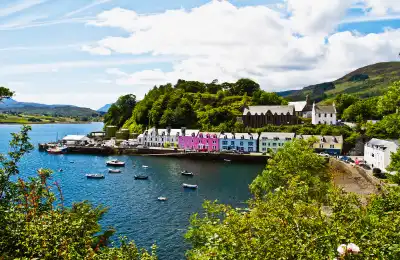
Scottish wedding culture has always placed strong importance on community. Marriage was historically seen as a public commitment that involved families and neighbours, rather than a private event between two people.
This sense of togetherness explains why many rituals involve public participation, shared meals, music, and humour. Weddings were designed to prepare couples for life together, acknowledge challenges as well as joy, and bring good fortune through symbolism and shared experience.
11 Scottish Wedding Customs
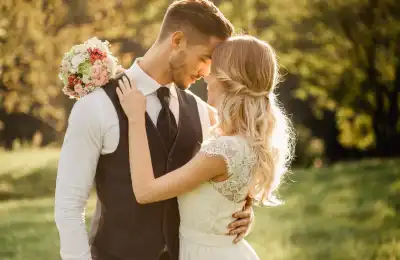
Scottish wedding traditions often blend humour with meaning, acknowledging that marriage involves joy, challenge, and shared responsibility. While not every couple follows every custom today, many continue to adapt these rituals in ways that feel personal and relevant.
1. The Blackening of the Bride or Groom
The blackening tradition is one of the oldest and most striking Scottish wedding traditions. This ritual usually takes place before the wedding day and involves friends and family covering the bride and groom in substances such as treacle, flour, soot, feathers, and food scraps.
Historically, blackening is known to symbolise a form of protection, with the mess and public display believed to ward off evil spirits and bad luck before marriage. By enduring embarrassment together, the couple demonstrated resilience and humour.
2. Handfasting Ceremonies
Handfasting is one of the most ancient marriage rituals in Scotland, acting as a binding agreement between families and communities. During the ceremony, the couple’s hands are bound together using ribbon or fabric, physically representing their union. The colours and materials used in handfasting can be chosen to represent loyalty, love, protection, or heritage, making the ritual deeply personal.
3. Tying the Knot
The phrase “tying the knot” has direct roots in handfasting and binding rituals. The knot symbolises two separate lives becoming intertwined, creating strength through connection. In contemporary weddings, tying the knot may be symbolic rather than literal. Couples sometimes exchange symbolic gestures, such as wrapping tartan cloth around their joined hands, to honour this tradition while keeping the ceremony modern and meaningful.
4. Wearing Kilts and Tartans
Traditional Scottish wedding attire often features kilts made from tartan fabric. Tartans historically identified clan membership and regional identity, acting as a visual link to ancestry and land.
At weddings, tartans may represent family heritage or simply be chosen for aesthetic or personal reasons. Grooms, best men, and guests may wear kilts, while brides may incorporate tartan through sashes and accessories. This tradition reinforces identity and continuity, connecting the present celebration to generations past.
5. The Quaich Ceremony
The quaich is a shallow, two-handled cup traditionally used in Scotland to offer hospitality. In weddings, the couple drinks from the quaich together during the ceremony.
Its two handles symbolise balance and equality, showing that both partners must contribute to the relationship. The shared drink represents trust and the idea that life’s experiences should be faced together. Many families pass down quaichs through generations.
6. Wedding Music and Bagpipes
Bagpipes have long been associated with significant life events in Scotland. At weddings, they’re often used to announce arrivals, lead processions, and mark transitions within the day. The sound of the pipes creates a strong sense of place and tradition.
Music at Scottish weddings signals moments of importance and brings collective attention to key stages of the celebration.
7. Scottish Wedding Flowers
Traditional Scottish wedding flowers are inspired by the natural landscape. Thistles, heather, wildflowers, and roses are commonly chosen for their symbolism and local significance. Heather is associated with good fortune and protection, while thistles represent strength and resilience. Using native flowers connects the wedding to the land and seasons, reinforcing the idea of grounded, enduring love.
8. The Role of the Best Man and Maid of Honour
In Scottish tradition, these roles were historically practical as well as ceremonial. The best man often acted as a protector or legal witness, while the maid of honour provided emotional and logistical support. Today, these roles involve planning celebrations, offering guidance, and supporting the couple throughout the wedding process. Their presence reflects the importance of friendship and loyalty in married life.
9. Wedding Gifts and Symbolic Items
A traditional Scottish wedding gift often carries meaning. Items such as quaichs, engraved silverware, or keepsakes symbolise unity and shared responsibility. Monetary gifts are now widely accepted and appreciated, reflecting practical support for the couple’s future together. The emphasis remains on thoughtfulness and goodwill rather than value.
10. Ceilidh Dancing
Ceilidh dancing is a cornerstone of many Scottish wedding receptions. These group dances are social and inclusive, with instructions given so everyone can join in. Ceilidhs encourage interaction between guests, breaking down formality and reinforcing the communal spirit of Scottish wedding culture. The shared movement and laughter reflect celebration as a collective experience.
11. Ending the Wedding Celebration
The conclusion of a Scottish wedding is often marked by shared music. Traditional endings emphasise togetherness, continuity, and remembrance. Songs such as “Auld Lang Syne” symbolise lasting bonds and shared history. Ending the celebration this way reflects the belief that marriage is supported by community as much as by love.
Recommended for you!
Best Sellers






Frequently Asked Questions
Are Scottish wedding traditions religious?
Customs such as handfasting, the quaich ceremony, and wedding blackening originated in community practices rather than religious doctrine. This makes them suitable for civil and humanist ceremonies, as well as religious weddings.
Is it acceptable to mix Scottish traditions with other cultures?
Combining Scottish wedding traditions with customs from other cultures is common and widely accepted. Many weddings celebrate blended heritage by including multiple rituals, music styles, and ceremonial elements.
Are children traditionally involved in Scottish weddings?
Children often play an active role in Scottish weddings, particularly in family-centred ceremonies. They may act as flower bearers, page boys, or participate in music and dancing during the reception. Their involvement reflects the tradition of weddings as community events rather than formal adult-only occasions.
What colours are traditionally associated with Scottish weddings?
Scottish weddings don’t rely on a single traditional colour palette; instead, colours are often influenced by tartans, seasonal landscapes, and natural materials. Greens, blues, purples, and soft earth tones are common, reflecting the countryside and heritage.
How involved are guests in Scottish wedding celebrations?
Guest participation is a defining feature of Scottish weddings. Traditions such as ceilidh dancing, shared blessings, and communal singing encourage active involvement. This creates a sense of inclusion and shared celebration throughout the day.
Study Our Wedding Planner Business Diploma for £29
The Wedding Planner Business Diploma Course is designed to support learners who want to understand wedding planning from both creative and practical perspectives. The course is currently available for a discounted price of £29, making it an affordable way to turn interest into practical knowledge.
If you would also like to join our learning community, unlock exclusive discounts, and receive expert tips, you can sign up for our mailing list.