Superstitions have played an important role in shaping how people understand luck and misfortune. Over time, they have developed into a rich collection of beliefs and traditions that continue to shape cultural attitudes today. This blog post looks at the many signs associated with bad luck, from symbolic objects to certain animals, colours, and numbers.
Jump to:
- Traditional Signs of Bad Luck
- Unlucky Symbols in Animals
- Numbers Associated with Bad Luck
- Wedding Superstitious Beliefs
- The Reputation of Green as an Unlucky Colour
- Signs of Bad Luck in the House
- Traditions for Removing Bad Luck
- Beliefs About Improving Luck
- Frequently Asked Questions
- Study Our Manifesting Your Dreams Diploma for £29
Recommended for you!
Best Sellers






Traditional Signs of Bad Luck
Across cultures, certain actions or accidents have gained a reputation as signs of bad luck.
Breaking a Mirror
Breaking a mirror is one of the most well-known signs of bad luck, often said to cause seven years of misfortune. This belief originates from ancient Rome, where mirrors were thought to hold part of the soul. Damaging one was seen as disturbing spiritual harmony.
Walking Under a Ladder
Walking under a ladder has long been avoided. In medieval times, a ladder leaning against a wall formed a triangle, a shape regarded as sacred and symbolising balance. Passing through it was believed to break that balance and invite misfortune.
Spilling Salt
Spilling salt is another classic example of bad luck. Salt was once precious, and wasting it was seen as both careless and unlucky. To guard against this misfortune, people traditionally threw a pinch over the left shoulder to ward off evil.
Friday the 13th
Friday the 13th combines the unlucky reputation of the number thirteen with the long-held suspicion of Fridays. In many Western cultures, this date became a powerful bad luck omen that still carries weight today.
Unlucky Symbols in Animals
Animals have long been associated with luck, both good and bad. In folklore, certain creatures became linked with misfortune:
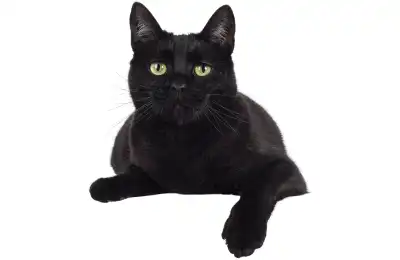
- Black cats: Often considered unlucky in Europe due to associations with witchcraft, though in some countries they are seen as positive symbols.
- Owls: Connected with death and dark omens because of their haunting calls and nocturnal habits.
- Crows: Viewed as bad luck symbols in many traditions due to their black feathers and scavenging behaviour.
Numbers Associated with Bad Luck
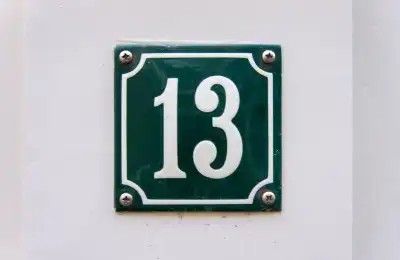
Numbers carry a strong symbolic power, and some have been treated with suspicion for centuries.
The Number Thirteen
The number thirteen is perhaps the most famous unlucky number in Western cultures. Hotels often avoid giving rooms this number, and some buildings skip directly from the twelfth to the fourteenth floor.
The Number Four
In East Asia, the number four is considered unlucky because its pronunciation is similar to the word for “death” in both Mandarin and Japanese. For this reason, hospitals, hotels, and other public places may avoid using the number altogether.
Unlucky Days of the Calendar
In Spanish-speaking countries, Tuesday the 13th is linked with bad fortune, while in Italy, Friday the 17th is treated with suspicion.
Wedding Superstitious Beliefs

Weddings bring a wealth of traditions, many of which are tied to ideas of luck and protection. Bad luck wedding superstitions have been passed down through generations:
- Wearing green at a wedding: The colour green was once connected with fairies and mischief, giving rise to the idea that green clothing on a wedding day might invite bad fortune.
- Dropping the wedding ring: Seen as a warning of future struggles in the marriage.
- Seeing the bride before the ceremony: Considered unlucky, as it was thought to disrupt the positive energy of the wedding day.
- Weather: Rain can be seen as a negative sign, but in other traditions, it can be seen as a cleansing blessing.
The Reputation of Green as an Unlucky Colour
On one hand, the colour green symbolises growth, balance, and renewal. On the other hand, it has a reputation for misfortune. In the mid-20th century, a number of racing accidents involved green cars, leading to the view that green cars are unlucky. This idea spread into general culture, where some people still avoid buying green cars.
Early green dyes often contained arsenic, a poisonous substance, making them dangerous to wear. This association may explain why green is considered unlucky in some traditions.
Signs of Bad Luck in the House
Superstitions often extend to the home, where everyday objects become signs of misfortune. Hanging a horseshoe upside down, for example, is thought to let the luck “spill out” rather than collect. Placing shoes on a table is seen as inviting quarrels or illness, while keeping broken clocks in the house is connected with time standing still and life being disrupted. Birds flying indoors have also been treated as bad luck omens, believed to bring bad news.
Traditions for Removing Bad Luck
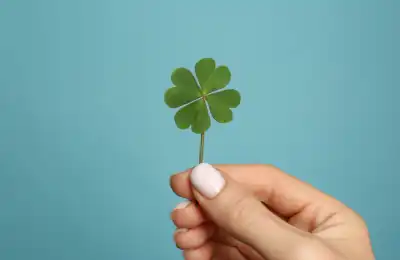
These rituals connect with the belief in balance, offering people a way to feel protected and in control. Common practices include:
- Knocking on wood: Believed to prevent bad events from following a positive statement.
- Carrying protective charms: Four-leaf clovers, horseshoes, and lucky coins.
- Spiritual cleansing: Often using herbs like rosemary or sage, or taking a bath with salt water as a way to “wash away” bad fortune.
- Blessings and rituals: In many faiths, ceremonies are performed to protect against harmful influences.
Beliefs About Improving Luck
Just as misfortune is thought to be removable, good fortune is believed to be something that can be encouraged. Carrying lucky objects, making wishes at symbolic moments, and focusing on gratitude are all practices believed to attract positivity.
Different cultures have suggested different ways to improve fortune. Some focus on rituals, while others highlight behaviour, such as kindness or generosity, as the best way to invite good energy. These beliefs show that luck is often seen not only as fate but as something shaped by mindset and action.
Recommended for you!
Best SellersFrequently Asked Questions
How do you know if you have bad luck?
Many people believe they have bad luck when they experience a string of setbacks or accidents. In superstition, repeating signs such as losing things, facing constant obstacles, or noticing traditional bad luck symbols are taken as indicators. In reality, these experiences are often coincidences, though they may feel significant when they happen one after another.
What day of the week is considered bad luck?
In the UK and much of Europe, Friday is the most common day linked with bad fortune, especially when combined with the number thirteen. In some Mediterranean and Latin traditions, Tuesday is treated with caution.
What improves luck most?
Superstitions suggest that carrying lucky charms, wearing certain colours, or following rituals can improve luck. Beyond superstition, many people believe that cultivating gratitude, positive thinking, and resilience are the strongest ways to feel luckier and attract better outcomes.
How to stop attracting bad luck?
By focusing on positive opportunities, letting go of fear, and building confidence, you may feel less weighed down by the idea of misfortune.
How to get good luck fast?
Carrying a lucky charm, repeating affirmations, or making a wish at a symbolic moment (such as 11:11) are popular practices. While there is no guaranteed method, these small rituals can boost confidence and help you feel more open to good outcomes.
Study Our Manifesting Your Dreams Diploma for £29
For anyone interested in moving away from superstition and focusing instead on creating opportunity, the Manifesting Your Dreams Diploma Course with Centre of Excellence is an inspiring choice. This course is available now for £29, giving you practical tools to release fear of misfortune and develop a mindset that welcomes success, positivity and opportunity.