Across different countries and cultures, wedding ceremonies can look dramatically different. Some traditions are formal and symbolic, while others may seem playful or downright unusual. Learning about global wedding customs offers a fascinating insight into how people mark one of life’s most important milestones.
What’s in This Guide?
This guide explores a wide range of wedding customs from around the world, explaining what they involve and where they come from. Along the way, you’ll discover just how weird, wonderful, and varied traditional weddings can be.
Jump to:
- What Are Common Wedding Rituals?
- Why Do Different Cultures Have Different Marriage Rituals?
- Indian Weddings – Colour, Ceremony, and Multiple Days
- Chinese Wedding Traditions – Symbolism and Good Fortune
- Korean Wedding Traditions – Balance and Respect
- Scottish Weddings – Symbolic Challenges and Strength
- German Weddings – Teamwork from the Start
- Nigerian Weddings – Family and Celebration
- Jewish Weddings – Memory and Commitment
- Muslim Weddings – Faith and Privacy
- Wedding Traditions in the UK – Familiar but Meaningful
- Wedding Traditions in the US – Style and Personal Choice
- Strange, Weird, and Unusual Wedding Traditions From Around the World
- Frequently Asked Questions About Worldwide Wedding Traditions
- Study Our Wedding Planner Business Diploma for £29
What Are Common Wedding Rituals?
Wedding rituals are symbolic actions carried out during or around a wedding ceremony. These rituals often represent unity, loyalty, fertility, prosperity, or protection from bad luck. Common examples include exchanging rings, wearing special clothing, sharing food, or performing blessings.
Marriage traditions around the world may differ in form, but most share similar intentions. They are designed to mark the transition into married life, and publicly recognise the couple’s commitment. Even modern ceremonies often draw on traditional marriage customs in subtle ways.
Why Do Different Cultures Have Different Marriage Rituals?
Religious beliefs, geography, climate, social structure, and history all shape wedding cultures. Some ceremonies last only a few hours, while others stretch across several days or even a full week.
This diversity is what makes wedding ceremony traditions around the world so interesting. Exploring these differences also helps explain why some customs may seem unusual or even strange to outsiders, while holding deep meaning within their culture.
1. Indian Weddings – Colour, Ceremony, and Multiple Days
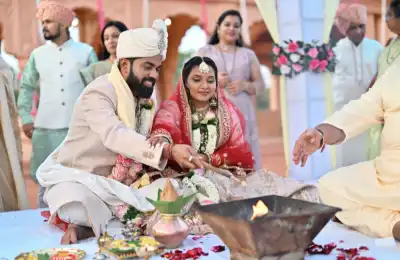
Indian weddings are colourful, multi-day celebrations that place just as much importance on family and community as they do on the couple. Rather than being a single event, the wedding unfolds through a series of ceremonies, such as the Mehndi, where intricate henna designs are applied to the bride’s hands and feet for good luck, and the Sangeet, a lively gathering filled with music, dance, and shared celebration between families.
The main wedding ceremony is rich in symbolism, often centred around a sacred fire that represents purity and lifelong commitment. The couple take part in rituals that reflect shared responsibility, unity, and spiritual blessing, while elders offer guidance and support. With a strong family involvement throughout, Indian weddings create a gradual and deeply symbolic transition into married life rather than a single moment in time.
2. Chinese Wedding Traditions – Symbolism and Good Fortune
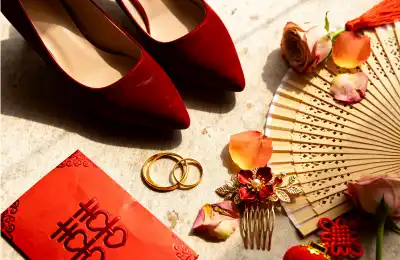
Traditional wedding customs in Chinese culture centre on luck and family honour. Red is the dominant colour, symbolising happiness and success. The bride often changes outfits several times, each representing a different blessing.
One well-known ritual involves tea ceremonies, where the couple serves tea to their elders as a sign of respect. This cultural wedding ceremony strengthens family bonds and formally welcomes the bride into the groom’s family.
3. Korean Wedding Traditions – Balance and Respect
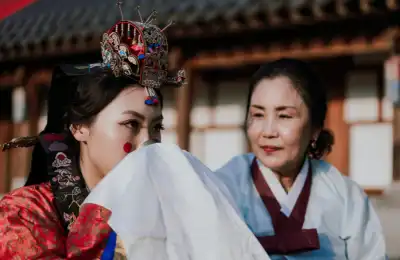
Korean wedding traditions often blend ancient Confucian values with modern celebrations, creating meaningful and visually striking ceremonies. Respect for family and elders sits at the heart of these weddings, with traditions designed to show gratitude and balance between the couple and their families.
A traditional ceremony may include the Paebaek ritual, where the bride and groom bow deeply to their parents as a sign of respect and appreciation. During this ritual, dates and chestnuts are sometimes thrown toward the bride, symbolising fertility and the hope for a strong future family.
The bride may also wear a colourful hanbok, while symbolic gestures and formal movements highlight the importance of tradition, order, and family continuity within married life.
4. Scottish Weddings – Symbolic Challenges and Strength
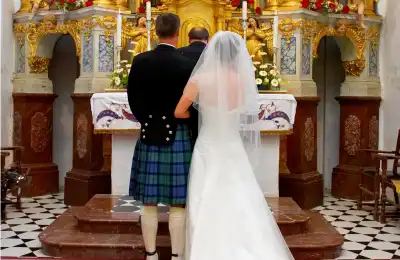
Scottish wedding traditions include the practice of “blackening the bride”, where friends cover the bride (and sometimes the groom) in messy substances before the wedding. This strange wedding custom is meant to prepare the couple for the challenges of married life.
Bagpipes, kilts, and clan tartans also play a major role, reflecting strong ties to heritage. While this may seem like a weird wedding tradition to outsiders, it carries a message of resilience and community support.
5. German Weddings – Teamwork from the Start

In Germany, one unusual wedding tradition involves the couple sawing a log together after the ceremony. This represents their first challenge as a married pair and symbolises teamwork and cooperation.
Another custom, Polterabend, involves guests smashing porcelain before the wedding. The couple then cleans it together, reinforcing the idea that marriage requires shared effort.
6. Nigerian Weddings – Family and Celebration
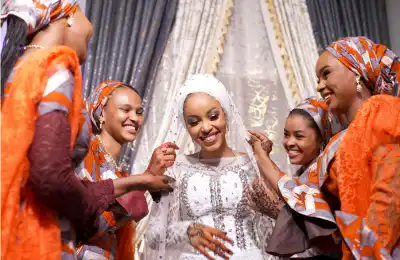
Nigerian wedding traditions vary across ethnic groups, but they are generally known for their music and strong sense of community. Guests often wear colourful traditional outfits, and celebrations are filled with dancing, drumming, and joyful participation from friends and family.
One widely recognised tradition involves the groom prostrating himself before the bride’s family as a sign of respect and humility. Gift exchanges and formal introductions between families play an important role. These rituals highlight respect and the importance of family bonds within Nigerian wedding cultures.
7. Jewish Weddings – Memory and Commitment
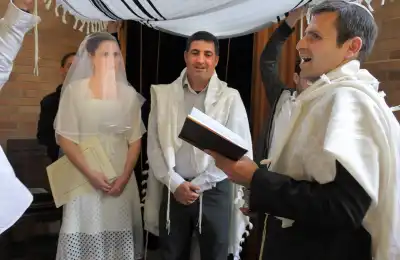
Jewish wedding ceremonies balance joy with reflection. One of the most recognisable traditions is the breaking of a glass by the groom, which serves as a reminder that life includes both happiness and hardship, even during moments of celebration.
Another central element is the chuppah, a canopy under which the couple stands during the ceremony. The chuppah represents the home the couple will build together and the openness of that home to family and community. These traditions emphasise commitment, shared responsibility, and remembrance alongside joy.
8. Muslim Weddings – Faith and Privacy
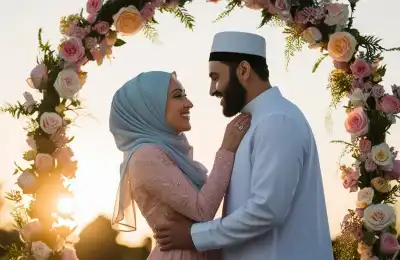
Muslim wedding ceremonies, known as Nikah, are centred on faith and mutual respect. The ceremony itself is often simple, focusing on the agreement between both partners and the presence of witnesses. Religious guidance and blessings may be offered, but the emphasis remains on intention and commitment rather than elaborate ritual.
Practices surrounding celebrations and the wedding night vary widely depending on cultural background. Islamic teachings encourage privacy and respect between spouses, while local customs often shape how weddings are celebrated beyond the ceremony itself.
9. Wedding Traditions in the UK – Familiar but Meaningful
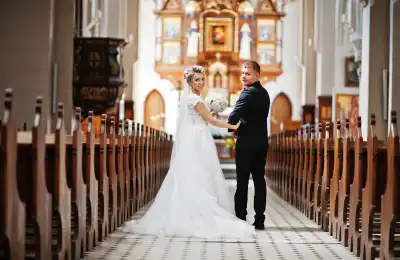
Wedding traditions in the UK combine long-standing customs with modern influences. Exchanging vows, wearing white, and throwing confetti are all familiar elements, many of which have roots in older beliefs about prosperity.
One of the most enduring traditions is wearing something old, new, borrowed, and blue. Each element symbolises continuity, optimism, borrowed happiness, and loyalty, offering subtle meaning within a ceremony that often feels timeless and familiar.
10. Wedding Traditions in the US – Style and Personal Choice
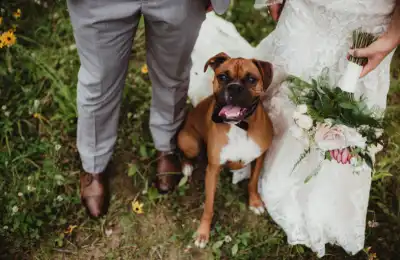
Wedding traditions in the United States often place a strong emphasis on personal expression and individuality. While there are common features such as bridal showers and first dances, many couples adapt these traditions to suit their preferences.
Ceremonies frequently blend traditional elements with modern touches, allowing couples to create celebrations that reflect their values and personalities. This flexible approach has led to a wide variety of wedding styles, from formal events to relaxed, non-traditional celebrations.
Strange, Weird, and Unusual Wedding Traditions
What feels strange or unusual in one culture often carries deep meaning in another. Here are some of the strangest wedding traditions from around the world, along with the meaning behind them.
- Blackening the bride (Scotland): Before the wedding, friends cover the bride (and sometimes the groom) in messy substances such as soot, flour, or treacle. While it looks chaotic, this tradition is meant to prepare the couple for the challenges of married life. The idea is that if they can endure embarrassment and discomfort together, they can handle whatever marriage brings.
- The groom washing the bride’s feet (India): In certain Indian communities, the groom washes the bride’s feet as a sign of devotion and respect. This strange marriage custom reflects the belief that marriage requires service and care, not dominance, and symbolises the groom’s commitment to honouring his wife.
- Spitting for good luck (Kenya): Among the Maasai people, a father may spit on his daughter’s head or chest before she leaves for marriage. While this may sound shocking, spitting is believed to bring good fortune and protection. This unusual wedding tradition is meant to bless the bride as she begins a new chapter of life.
- The husband going under the bride’s dress (Eastern Europe): In some Eastern European traditions, the groom briefly goes under the bride’s dress during celebrations. This act symbolises fertility and prosperity, representing hopes for children and a successful household. Though it can appear humorous or awkward, it carries symbolic meaning rather than literal intent.
- Crying rituals (China): In parts of China, brides take part in a crying ritual in the weeks leading up to the wedding. Rather than expressing sadness, the ritual allows the bride to honour her family, release emotion, and prepare for change. Over time, female relatives may join in, turning it into a shared emotional experience.
- Barefoot brides (India and parts of Africa): In some cultures, brides walk barefoot during the ceremony to symbolise spiritual grounding. Being barefoot is also a sign of respect when entering sacred spaces.
- Breaking plates before the wedding (Germany): Guests smash porcelain dishes during a pre-wedding event called Polterabend. The couple must clean up together, representing teamwork and cooperation. This strange wedding custom reinforces the idea that marriage involves shared responsibility from the very beginning.
- Kidnapping the bride (Romania): In a playful tradition, the bride may be “kidnapped” by friends or family before the ceremony, and the groom must negotiate her return. This can involve romantic gestures or humorous challenges, symbolising the groom’s commitment and willingness to go the extra mile.
Frequently Asked Questions About Worldwide Wedding Traditions
Which wedding culture is best in the world?
There is no single wedding culture that can be considered the best. Some couples are drawn to traditional weddings with long-standing rituals, while others prefer modern, personalised ceremonies. The best wedding traditions are those that feel meaningful and authentic to the couple involved.
What do Muslims do on their first night of marriage?
There is no single practice followed by all Muslims on the first night of marriage. Islamic teachings emphasise privacy, respect, and kindness between spouses, but cultural customs vary widely depending on region and family background. Many traditions associated with the wedding night are cultural rather than religious.
What culture has a 7-day wedding?
Indian weddings are a well-known example of celebrations that can last up to seven days. These weddings include multiple ceremonies, each marking a different stage of the marriage process.
How are Indian weddings different from American weddings?
Indian weddings typically involve several days of ceremonies, strong religious symbolism, and extensive family involvement. In comparison, many American weddings focus on a single-day event with a ceremony and reception. United States wedding customs often prioritise individual choice, while Indian weddings place greater emphasis on tradition and family roles.
What should a wife do on a wedding night?
There is no universal rule for what a wife should do on the wedding night. Expectations vary by culture, religion, and personal belief. In many modern marriages, the focus is on emotional connection and privacy rather than following specific rituals or traditions.
Why do brides go barefoot?
In certain cultures, brides go barefoot to symbolise purity and a spiritual connection to the earth. This practice may also reflect respect for sacred spaces during the ceremony. Like many strange marriage customs, its meaning is rooted in cultural symbolism.
Recommended for you!
Best Sellers







Study Our Wedding Planner Business Diploma for £29
If exploring wedding rituals from around the world has sparked your interest in weddings as a profession, our Wedding Planner Business Diploma Course could be the perfect next step. Through this diploma, you will learn how to plan weddings professionally, manage clients, handle logistics, and build a successful wedding planning business. Enrol today for just £29!