Superstitions are part of everyday life in almost every culture, shaping how people act, celebrate, and avoid certain things. From knocking on wood to avoiding unlucky numbers, these beliefs are passed down through generations.
This blog post explores examples of superstitions from across the world, explaining their meanings, how they developed, and why people continue to follow them.
Jump to:
What Are Superstitions?
Superstitions are commonly described as “irrational beliefs” because they are not supported by scientific evidence, yet they continue to play an important role in cultures around the world. They usually connect everyday actions, objects, or events with ideas of good or bad luck. Superstitions are about trying to predict fortune, prevent misfortune, or bring a sense of comfort and happiness in uncertain situations.
Recommended for you!
Best Sellers




Are Superstitions Real?
Science shows no evidence that breaking a mirror causes bad luck or that sneezing twice means someone is thinking of you. However, superstitions influence how people behave. They work through psychology: if a person believes something is lucky, they feel more confident, which may improve their outcomes.
10 Superstitions From Different Countries & Cultures
The following superstitions highlight fascinating examples from around the globe, showing how traditions differ yet share similar themes of luck and protection.
1. New Shoes on the Table – England

In England, one of the most common superstitions is that placing new shoes on the table brings bad luck. The origin is linked to old customs surrounding death, when shoes were sometimes placed on a table as part of mourning rituals. To this day, many avoid it, believing it invites misfortune.
2. First Footing – Scotland
In Scotland, the tradition of first footing marks the New Year. The superstition says that the first person to enter your home after midnight should be a tall, dark-haired man bringing coal, bread or whisky. This is believed to ensure prosperity, warmth and good fortune for the coming year.
3. Crossing Fingers – Western Cultures
The gesture of crossing fingers is a well-known superstition across Europe and North America. It symbolises wishing for good luck and protection. Its roots lie in early Christianity, where crossing fingers was thought to invoke the power of the cross and divine blessing.
4. Pearls on a Wedding Day – England
In England, brides are advised not to wear pearls on their wedding day. The pearls are said to symbolise tears, suggesting sorrow in the marriage ahead. This tradition continues alongside other wedding superstitious beliefs, such as avoiding the groom seeing the bride before the ceremony.
5. Double Egg Yolk – Nordic Countries
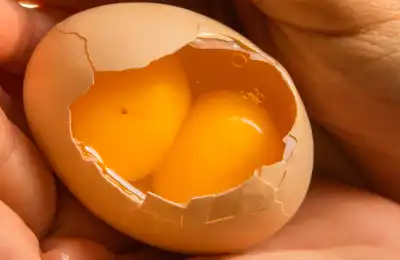
Finding a double egg yolk is thought to be lucky in countries such as Norway and Sweden. It’s often taken as a sign of fertility, predicting marriage or the birth of twins. The double egg yolk meaning connects everyday life to themes of abundance and new beginnings.
6. Sneeze Superstitions – Europe
Across Europe, sneezing has long been associated with superstition. Saying “bless you” is one way of protecting someone whose soul is thought to escape during a sneeze. In England, one belief is that if you sneeze two times in a row, someone is thinking of you with affection. This sneeze superstition continues as a light-hearted way of linking physical actions to unseen connections.
7. Itchy Palms – India
An itchy right palm is believed to mean money is coming in, while an itchy left palm means money may be lost. This is one of the most widespread examples of superstitious beliefs connecting the body with fortune.
8. Right Foot Itch – Middle Eastern Cultures
In some Middle Eastern traditions, if your right foot is itchy, it may suggest travel or an upcoming journey. The meaning of itchy feet at night is connected to restlessness or the desire for adventure, linking physical sensations with symbolic movement and change.
9. Knocking on Wood – Celtic Origins and Beyond
One of the most common examples of superstitions worldwide is the act of knocking on wood. The tradition is believed to have started with the Celts, who thought spirits and gods lived inside trees. Knocking on the wood was a way of calling on these spirits for protection or showing respect so they would grant good fortune.
10. The Evil Eye – Mediterranean Countries
In countries such as Greece, Turkey, and Italy, the belief in the evil eye is deeply rooted in tradition. The superstition centres on the idea that envy or excessive admiration from others can bring misfortune, illness or bad luck. To protect themselves, people wear charms or talismans, most famously the blue glass bead with a white and black centre, which is designed to reflect the harmful gaze back to its source.
Superstitious Numbers
In the UK, the number 13 is considered the unluckiest number, making Friday the 13th a dreaded date. In Italy, the number 17 is feared because its Roman numeral form, XVII, can be rearranged into “VIXI”, meaning “I have lived”, which implies death.
In China, the number 4 is considered unlucky because it sounds similar to the word for death. Buildings often skip the fourth floor, and people avoid the number in house numbers, car plates, and phone numbers.
Superstitious Animals
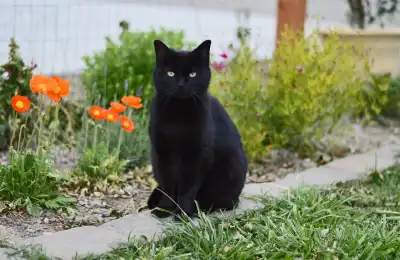
Birds are also linked to superstition. In English folklore, spotting a single magpie is considered unlucky, but seeing two is a symbol of joy and harmony. These examples of superstitious beliefs show how the same animal can carry very different meanings depending on the culture.
How to Break a Superstition?
Many cultures include rituals to undo bad luck or “cancel out” an unlucky action. These practices help people feel a sense of control and reassurance. Some well-known examples include:
- Breaking a mirror: This is often believed to bring seven years of bad luck because mirrors were once thought to reflect not just a person’s image but also their soul. Damaging a mirror was therefore seen as harming the spirit itself. To counter this, people may throw salt over their shoulder, bury the broken pieces under moonlight, or grind them into dust so that the bad luck cannot “find” them.
- Walking under a ladder: A ladder leaning against a wall creates a triangle, which has long been associated with the Holy Trinity in Christian tradition. Passing through it was thought to break the triangle and invite misfortune or even evil spirits. To reverse the effect, some traditions suggest walking backwards through the ladder straight away.
- Spilling salt: Salt has been valued for centuries as a symbol of purity and protection. Spilling it was believed to waste its protective powers, leaving a person exposed to bad luck and evil forces. Tossing a pinch of salt over the left shoulder was thought to blind or drive away the devil, who was said to lurk there.
Frequently Asked Questions
What are you not allowed to do on New Year’s Day?
In some traditions, you should not argue, cry or sweep the floor on New Year’s Day, as these actions are thought to invite misfortune. In parts of South America, it’s believed that doing laundry on New Year’s Day will wash away a family member, symbolically causing death or loss in the household.
What is the superstition about owls?
In India and some parts of Africa, owls are considered bad omens, often associated with death or misfortune. By contrast, in Ancient Greece, the owl was linked to wisdom and the goddess Athena, showing how examples of superstitions about the same animal can vary widely.
Why is opening an umbrella indoors unlucky?
Opening an umbrella indoors is thought to bring bad luck because umbrellas were once used as protection against the sun. Opening one indoors was seen as an insult to the sun god, or simply as an invitation for accidents in cramped spaces.
Why do some cultures fear crying babies at night?
In certain traditions, the cry of a baby at night is believed to attract spirits or bad luck to the household. This superstition comes from older times when infant health was fragile, and unexplained illness was often blamed on supernatural causes.
Why do people throw coins into fountains or wells?
This tradition dates back to Ancient Rome and Celtic practices, where water sources were believed to be guarded by deities. Offering coins was seen as a way to earn favour and good fortune, which is why tossing coins into fountains is still popular today.
What is the superstition about cutting nails at night?
In Japan and India, cutting nails at night is avoided. The superstition began in times without electricity, when trimming nails after dark was dangerous, but it developed into a belief that it shortens life or invites misfortune.
Recommended for you!
Best SellersStudy Our Introduction to Japanese History & Culture Diploma for £29
If you want to continue learning about cultural traditions, you can take the Introduction to Japanese History & Culture Diploma Course with Centre of Excellence for just £29. This course will give you a deeper understanding of Japanese traditions, beliefs, and customs, helping you explore one of the world’s most captivating cultures.