Plants have long been linked with attraction and emotional connection, often carrying rich symbolism across different cultures.
Whether you’re hoping to welcome romance, deepen an existing bond, or explore the traditions around herbs, this guide introduces you to 10 herbs for attracting love and romance. You’ll discover which plants are thought to open the heart, the traditional beliefs tied to them, and how they’ve been used in charms, potions, and rituals throughout history.
Jump to:
Recommended for you!
Best Sellers
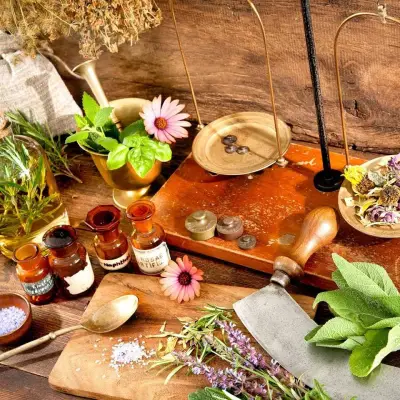
Why Herbs Are Linked to Love
Herbs have been associated with love for centuries because they carry powerful symbolism and sensory qualities that people naturally connect with the heart. Their colours, fragrances, and flavours can stir feelings of warmth, attraction, and beauty.
Across cultures, herbs have appeared in stories, wedding ceremonies, and everyday meals as signs of affection and devotion. Because of these associations, they became natural ingredients in charms, love jars, and love potions. Even today, herbs are still used in teas, oils, baths, and thoughtful gifts as a way of symbolising romance and passion.
10 Herbs for Attracting Love and Romance
The following 10 herbs have all played a role in love stories and rituals throughout history.
1. Rose
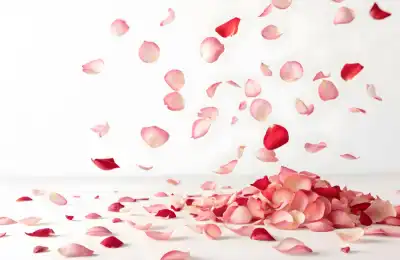
Rose is considered the most famous love herb, often referred to as the queen of flowers. For centuries, it has been associated with beauty, passion, and tenderness. In Ancient Greece, roses were sacred to Aphrodite, the goddess of love, and became powerful symbols of romance and devotion. In medieval Europe, roses were exchanged as tokens of love, while in Victorian times, gifting a red rose became a way of expressing deep affection without words.
How it’s used:
- Scattering petals: Spread fresh or dried rose petals around your home or bedroom to create a romantic atmosphere.
- Herbal teas: Brew rose petals into a gentle tea, often combined with other calming herbs such as chamomile or lavender, to focus intentions on love and emotional openness.
- Perfume and oils: Wear rose oil as a fragrance to carry its association with attraction and tenderness throughout the day.
2. Lavender
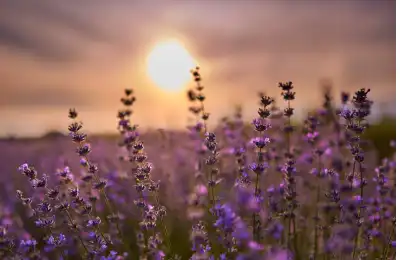
Lavender is one of the most versatile herbs, loved for its calming scent and soothing properties. Beyond its relaxing qualities, it has long been linked with attraction and affection. In the Middle Ages, women would place lavender under their pillows to encourage dreams of romance, while in England’s Tudor period, it was often used in love charms.
How it’s used:
- Under the pillow: Place a small sachet of dried lavender beneath your pillow to encourage peaceful, love-filled dreams.
- Bath rituals: Add a few drops of lavender oil to a bath to invite calmness and emotional openness.
- Home fragrance: Burn lavender incense or diffuse lavender oil to create a warm, inviting atmosphere that encourages closeness.
3. Basil
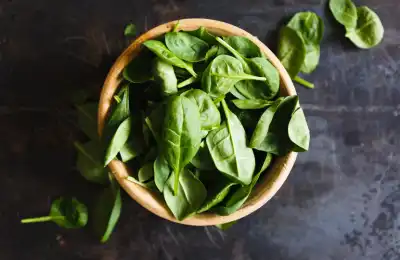
Basil is often associated with loyalty and protection in relationships. In Italian folklore, a sprig of basil given to a loved one was a symbol of serious intentions. In some parts of India, basil is regarded as sacred, believed to guard against negativity and strengthen bonds.
How it’s used:
- Cooking together: Add fresh basil to meals shared with a partner as a symbol of harmony and fidelity.
- Love jars: Place basil leaves in a jar with rose petals or rosemary to represent faithfulness and affection.
- Home blessing: Keep a basil plant near the entrance of your home to symbolically invite love and protect relationships.
4. Rosemary
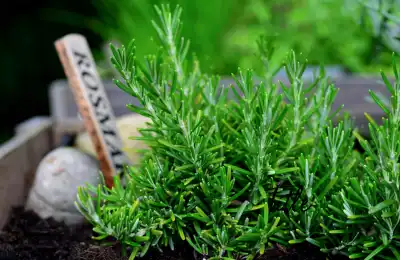
Rosemary has long been seen as a symbol of remembrance, loyalty, and devotion. In weddings across Europe, sprigs of rosemary were woven into bridal bouquets to represent faithfulness and long-lasting love. Shakespeare referenced rosemary in Hamlet as a symbol of remembrance.
How it’s used:
- Bouquets and charms: Carry a small sprig of rosemary as a token of loyalty and affection.
- Bath rituals: Add rosemary oil to a warm bath to symbolise cleansing and renewal in love.
- Home fragrance: Burn rosemary incense to encourage devotion and positive energy in relationships.
5. Jasmine
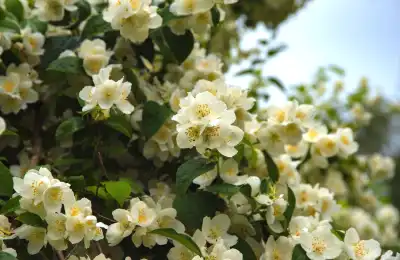
Jasmine is renowned for its intoxicating fragrance, often associated with sensuality and attraction. In parts of Asia, jasmine flowers are woven into garlands for weddings, symbolising beauty and eternal love. Its sweet scent has also made it a favourite in perfumes designed to inspire romance.
How it’s used:
- Perfume and oils: Wear jasmine oil as a fragrance to symbolise attraction and allure.
- Teas: Brew jasmine tea to enjoy its soothing qualities while focusing on love and connection.
- Bedroom décor: Place dried jasmine flowers in a sachet or under your pillow to encourage romantic dreams.
6. Mint
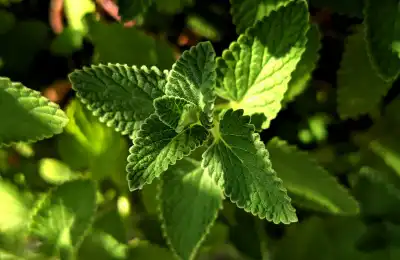
Mint is a refreshing herb linked with vitality and passion. In Roman times, it was believed to stimulate the senses and encourage affection. Its cool, invigorating nature makes it a symbol of new beginnings and fresh love.
How it’s used:
- Tea blends: Brew mint leaves into a tea to symbolise renewal and openness to love.
- Cooking: Use fresh mint in shared meals to bring energy and passion into relationships.
- Love jars: Add mint leaves to jars or sachets to represent attraction and vitality.
7. Hawthorn
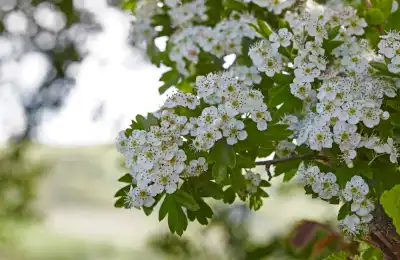
Hawthorn has long been associated with the heart, both physically and symbolically. In Celtic traditions, hawthorn trees were linked with fairies and love magic. The blossoms and berries were often used in charms to invite soulmates and protect romantic unions.
How it’s used:
- Love charms: Carry a dried hawthorn blossom as a symbolic invitation for soulmate connections.
- Tea blends: Hawthorn berries can be brewed into teas that symbolise heart strength and lasting affection.
- Decorations: Use hawthorn flowers in décor for celebrations centred on love and unity.
8. Damiana
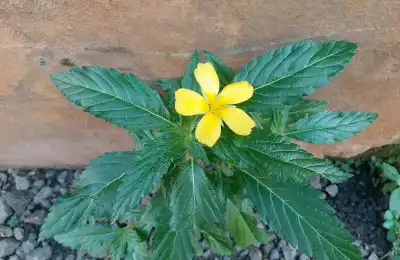
Damiana has a long history as a herb of passion and desire. Used by Indigenous peoples in Central and South America, it was often brewed into teas to inspire intimacy and romance. Its reputation as a love herb has spread worldwide, making it popular in modern blends.
How it’s used:
- Teas: Brew damiana leaves into tea, traditionally thought to encourage passion and connection.
- Love jars: Add damiana to a jar or sachet as a symbol of intimacy and desire.
- Incense: Burn damiana as incense during rituals focused on attraction.
9. Yarrow
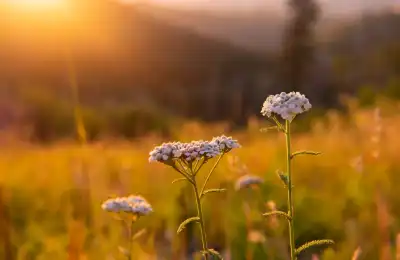
Yarrow has been celebrated in folklore for its link with commitment and enduring affection. In Ancient China, yarrow stalks were used for divination, often concerning love and relationships. In Europe, it was sometimes placed under a pillow to dream of one’s future partner.
How it’s used:
- Dream work: Place dried yarrow under your pillow to symbolically invite dreams of love.
- Charms: Carry a small sachet of yarrow as a symbol of commitment and harmony.
- Bouquets: Add yarrow flowers to floral arrangements to represent lasting affection.
10. Hibiscus
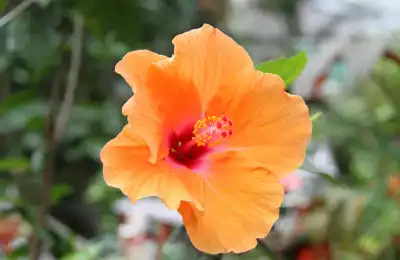
Hibiscus is known for its striking, vibrant flowers, which symbolise passion and attraction. In many cultures, hibiscus flowers are worn behind the ear to signal availability or romantic interest. Their bold appearance makes them a powerful love herb in symbolic practices.
How it’s used:
- Teas: Brew hibiscus tea to represent passion and open-heartedness.
- Bath rituals: Add dried hibiscus flowers to a bath to invite energy and attraction.
- Love jars: Include hibiscus petals in jars or sachets to symbolise beauty and passion.
Recommended for you!
Best SellersHow to Make a Love Potion
Love potions are simple, symbolic ways to use herbs linked with romance and attraction, much like the old charms and love spells found in folklore.
Love Potion Teas
One of the easiest ways to create a love potion is by making a gentle herbal tea. Choose herbs that have long been associated with the heart, such as rose petals and lavender, and combine them in hot water. Add a touch of honey, stirring slowly while focusing on your intentions. Sipping this tea mindfully allows you to reflect on the qualities of love and tenderness symbolised by the herbs.
Infused Love Oils
Infused oils are another way to create your own love potion. You might place dried rose petals or jasmine flowers in a small jar of carrier oil, such as almond or jojoba, and leave it to infuse in a sunny window for a week or two. The oil can then be used as a perfume or rubbed gently on the skin as a symbolic act of inviting love and attraction into your life.
Symbolic Love Jars
For those who enjoy creative rituals, love jars can be both meaningful and decorative. Take a small glass jar and fill it with herbs such as hibiscus, basil, and rosemary, along with a handwritten note describing the kind of love you wish to nurture. Some people also add small crystals or charms. Seal the jar and keep it somewhere special as a reminder of the love and connection you are calling into your life.
Study Our Master Herbalist Diploma for £29
If this subject has sparked your curiosity, why not take your learning further? At Centre of Excellence, you can explore the world of plants and their uses in depth with the Master Herbalist Diploma Course. Right now, the course is available for just £29, giving you the chance to study herbal traditions, history, and applications at your own pace.