Yellow flowers have a way of lifting the mood. They’re often the first blooms people notice in spring, and they continue to brighten gardens, parks, and countryside well into summer and early autumn. You might be researching yellow flowers because you’ve spotted a burst of colour in your garden and want to identify it, or because you’re planning on using yellow garden flowers to create a warm, welcoming space.
What’s in This Guide?
This guide explores a wide range of yellow flower types, from familiar favourites to smaller wild plants you may see across the UK. You’ll find descriptions, flowering seasons, and growing habits, alongside images of yellow flowers to help with identification.
Jump to:
- Why Yellow Flowers Are So Popular
- Daffodil – A Classic Spring Favourite
- Sunflower – Bold and Joyful
- Buttercup – Small but Instantly Recognisable
- Yellow Rose – Warm and Expressive
- Black-Eyed Susan – Bright with a Bold Centre
- Marigold – Bright and Easy to Grow
- Forsythia – A Bright Yellow Spring Shrub
- Primrose – Soft and Traditional
- Tulip (Yellow Varieties) – Clean and Contemporary
- Evening Primrose – Gentle and Long-Flowering
- Coreopsis – Light and Cheerful
- Laburnum – Cascading Yellow Blooms
- Meaning and Symbolism of Yellow Flowers
- Choosing Yellow Flowers for Your Garden
- Study Floristry for £29
Why Yellow Flowers Are So Popular
From bright yellow flowering bushes in spring to yellow annual flowers that thrive in summer bedding displays, yellow plants suit both traditional and modern planting styles, as well as making a joyful addition to a bouquet or flower arrangement. They also play an important role in supporting pollinators, especially bees.
1. Daffodil – A Classic Spring Favourite
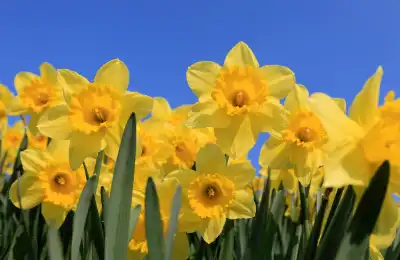
Daffodils are one of the most recognisable yellow flowers in the UK and, as March’s birth flower, are strongly associated with the arrival of spring. Their trumpet-shaped centres and star-like petals make them easy to identify, even from a distance.
These yellow flowers appear from late winter into early spring and return reliably each year. They’re often planted in borders, lawns, and woodland areas, where they naturalise easily and require very little maintenance.
- Latin name: Narcissus
- Plant family: Amaryllidaceae
- Flowering season: Late winter to early spring
- Plant type: Bulb
2. Sunflower – Bold and Joyful

Sunflowers are among the most popular yellow flowers worldwide. Known for their tall stems and large, open faces, they create a strong visual impact in summer gardens.
Most sunflowers are annuals grown from seed each year. They’re fast-growing, easy to care for, and often planted for enjoyment as much as appearance. Their bright colour makes them ideal yellow flowers for summer displays.
- Latin name: Helianthus annuus
- Plant family: Asteraceae
- Flowering season: Summer
- Plant type: Annual
3. Buttercup – Small but Instantly Recognisable
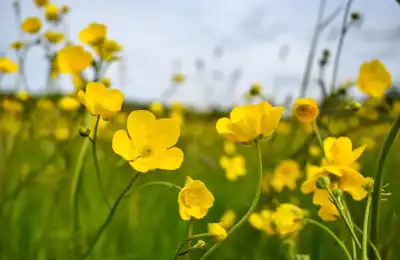
Buttercups are a familiar sight across meadows and roadsides throughout the UK. Their glossy petals reflect sunlight, giving them a bright, almost polished appearance despite their small size.
These plants with small yellow flowers are strongly associated with the English countryside and often appear in spring and early summer when grass is allowed to grow naturally.
- Latin name: Ranunculus
- Plant family: Ranunculaceae
- Flowering season: Spring to early summer
- Plant type: Perennial
4. Yellow Rose – Warm and Expressive
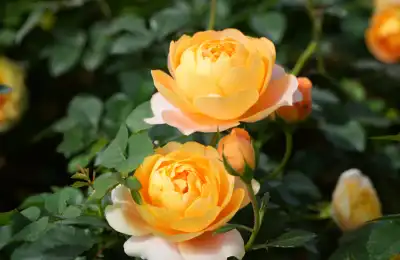
Yellow roses bring a sense of warmth and friendliness to gardens and floral arrangements. While roses are often linked with romance, yellow varieties are traditionally associated with friendship and positive energy.
These yellow garden flowers are available in shrub, climbing, and compact forms, making them suitable for borders and arches. Many varieties flower repeatedly through the season, adding long-lasting colour to outdoor spaces.
- Latin name: Rosa
- Plant family: Rosaceae
- Flowering season: Late spring to autumn
- Plant type: Shrub or climber
5. Black-Eyed Susan – Bright with a Bold Centre
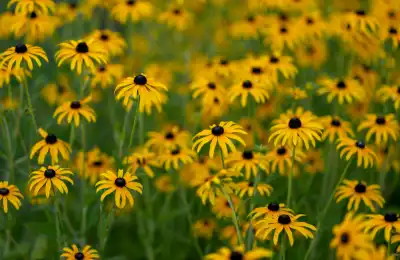
Black-eyed Susan is well known for its golden petals surrounding a dark central disc. This strong contrast makes it one of the most striking yellow flowers with a black centre.
These flowers bloom throughout summer and into early autumn, making them a reliable choice for your garden. They work well in borders and wildlife gardens and are especially attractive to pollinators.
- Latin name: Rudbeckia hirta#
- Plant family: Asteraceae
- Flowering season: Summer to early autumn
- Plant type: Perennial or annual
6. Marigold – Bright and Easy to Grow
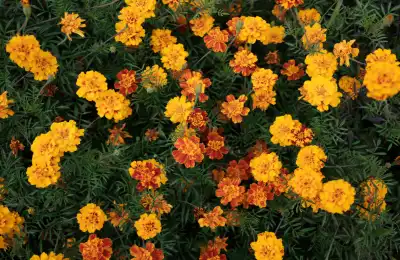
Marigolds are widely used as yellow summer bedding plants thanks to their long flowering season and resilience. Their rounded blooms bring strong colour to borders, pots, and planters.
These yellow annual flowers are easy to grow from seed and are often chosen to go in planters or pots. Their distinctive scent is also thought to help deter certain garden pests.
- Latin name: Tagetes
- Plant family: Asteraceae
- Flowering season: Late spring to autumn
- Plant type: Annual
7. Forsythia – A Bright Yellow Spring Shrub
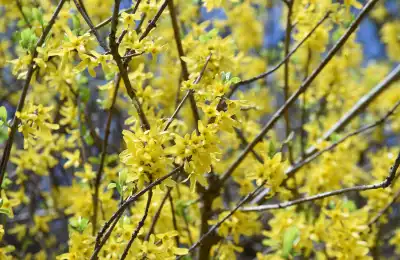
Forsythia is a bright yellow flowering bush that signals the start of spring. Before its leaves appear, bare branches become covered in vivid yellow blooms, creating a dramatic display.
This yellow flowering hedge is often a joyous feature shrub in gardens. It’s a deciduous shrub with showy yellow flowers that requires minimal care once established.
- Latin name: Forsythia × intermedia
- Plant family: Oleaceae
- Flowering season: Early spring
- Plant type: Deciduous shrub
8. Primrose – Soft and Traditional
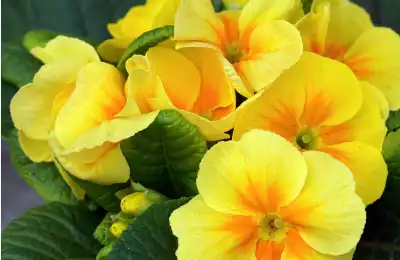
Primroses are one of the earliest yellow flowers to appear in gardens and woodland areas. Their soft petals and low-growing habit make them ideal for borders, containers, and shaded spaces.
These yellow garden plants are closely linked with traditional British gardens and often bloom while winter is still fading. They’re reliable and easy to grow.
- Latin name: Primula vulgaris
- Plant family: Primulaceae
- Flowering season: Late winter to spring
- Plant type: Perennial
9. Tulip (Yellow Varieties) – Clean and Contemporary
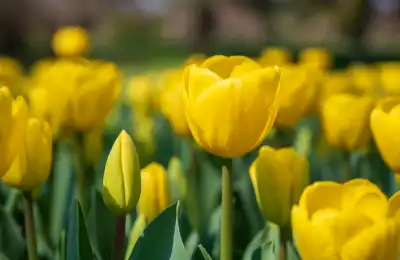
Yellow tulips bring a fresh, structured look to spring gardens. Their upright stems and smooth petals make them popular in both formal planting schemes and modern floral arrangements.
Tulips bloom in mid to late spring and work well alongside other bulbs such as daffodils and hyacinths.
- Latin name: Tulipa
- Plant family: Liliaceae
- Flowering season: Spring
- Plant type: Bulb
10. Evening Primrose – Gentle and Long-Flowering
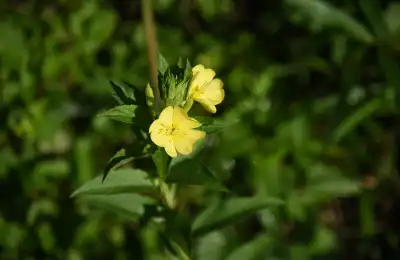
Evening primrose produces delicate yellow flowers that often open later in the day. Once established, it flowers over a long period, from early summer into autumn.
This plant is frequently seen in cottage gardens and wild areas and is valued for its ability to thrive in poor soil while still producing abundant blooms.
- Latin name: Oenothera biennis
- Plant family: Onagraceae
- Flowering season: Summer to autumn
- Plant type: Biennial or perennial
11. Coreopsis – Light and Cheerful
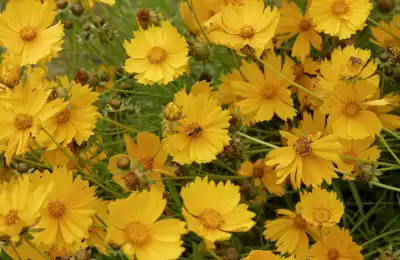
Coreopsis is known for its daisy-like yellow flowers and long flowering season. It adds a light, airy feel to borders and is often used in wildlife-friendly gardens.
These yellow summer flowers bloom reliably and require very little maintenance, making them suitable for gardeners of all experience levels.
- Latin name: Coreopsis
- Plant family: Asteraceae
- Flowering season: Early summer to autumn
- Plant type: Perennial
12. Laburnum – Cascading Yellow Blooms
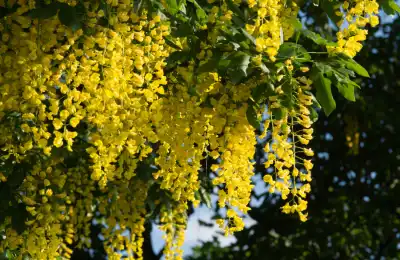
Laburnum is famous for its hanging chains of yellow flowers that appear in late spring. These dramatic displays are often seen in gardens and parks, where the flowers form arching tunnels of colour.
Although visually striking, laburnum is toxic if ingested, so care should be taken when planting in family gardens.
- Latin name: Laburnum anagyroides
- Plant family: Fabaceae
- Flowering season: Late spring
- Plant type: Deciduous tree
Meaning and Symbolism of Yellow Flowers
The symbolism of yellow flowers is closely linked with happiness and optimism. Across cultures, yellow blooms are often given to express encouragement, appreciation, and positive intentions. Lighter yellow tones tend to suggest joy and new beginnings, while deeper gold shades can represent confidence and success.
Choosing Yellow Flowers for Your Garden
When selecting yellow flowers for garden planting, consider how different shades and heights will work together throughout the seasons. Tall plants such as sunflowers and laburnum add structure, while smaller plants like primroses and buttercups fill gaps at ground level.
Yellow flowers in garden borders pair beautifully with purple or blue flowers for contrast, while softer yellow shades work well alongside whites and greens for a calm, natural look. Mixing yellow flowering shrubs with annuals and perennials helps ensure colour from early spring through to autumn.
Recommended for you!
Best Sellers





Study Floristry for £29
If learning about flowers has sparked a deeper interest, you may enjoy exploring floristry in more detail. Understanding flower varieties, colour symbolism, and arrangement techniques opens up creative and professional opportunities. We offer a Floristry Diploma Course designed for all levels, whether you’re learning for personal enjoyment or considering a new career path. Enrol today for a discounted price of £29!