
Whether you live with a puppy or an older companion, understanding why your dog follows you around the house helps you respond in a way that keeps your dog happy and builds your bond.
Dogs are deeply social animals, and while the reasons behind this behaviour can vary, they all link back to instinct and emotional connection. Below, you’ll find 7 common explanations, along with practical tips on how to handle each one.
Jump to:
- Love and Attachment
- Curiosity and Fear of Missing Out
- Social Instincts and Companionship
- Reinforcement and Habit
- Anxiety or Insecurity
- Protective Instincts
- Age and Health Factors
- Should You Be Concerned?
- How to Encourage Healthy Independence
- Frequently Asked Questions
- Study Our Canine Communication Diploma for £29
Recommended for you!
Best Sellers


1. Love and Attachment
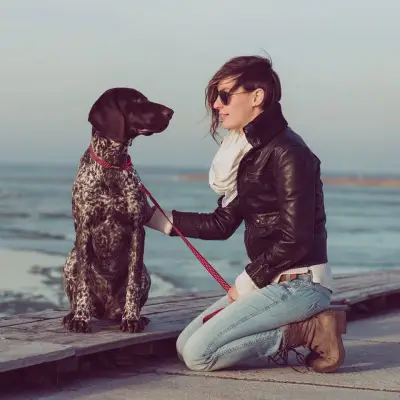
Dogs form strong attachments to their humans; you provide food, care, play, and companionship. In their eyes, you are the centre of their world. Following you is simply an expression of affection and loyalty.
What you can do: If you’re comfortable with the behaviour, there’s nothing wrong with your dog sticking close. Just make sure they also get chances to rest independently, so they don’t become overly reliant on your presence.
2. Curiosity and Fear of Missing Out
Dogs are naturally curious. If you stand up, your dog may think you’re going somewhere interesting or about to do something worth joining in. They don’t want to miss out, especially on activities they love, like walks and food preparation. This is particularly common in puppies; they are still learning and want to be part of everything you do.
What you can do: If your dog’s curiosity becomes overwhelming, introduce routines. For example, use a consistent signal when it’s time for a walk, so your dog learns not to expect one every time you get up.
3. Social Instincts and Companionship
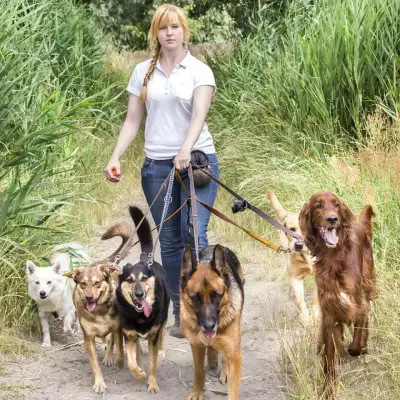
Dogs thrive in company. In the wild, they would rarely be alone, as the pack would provide a sense of safety and belonging. At home, you are their pack. Following you ensures they’re included and reassured.
What you can do: Provide opportunities for them to be close without being underfoot. For instance, create a comfortable bed in the rooms you spend the most time in, so they can settle while still being part of things.
4. Reinforcement and Habit

If every time your dog follows you, they receive attention, even just eye contact, a pat, or a smile, they will connect this behaviour with positive outcomes. Over time, this becomes a habit, with your dog learning that shadowing you pays off.
5. Anxiety or Insecurity
A sudden change in your dog's behaviour may suggest anxiety or insecurity. Separation anxiety is common in dogs who struggle when left alone. They may follow you closely in anticipation of your departure as a way of clinging to reassurance. Changes in the household, a move, or your own stress can trigger this.
What you can do: Encourage independence gradually. Provide engaging toys, puzzle feeders, and safe spaces where your dog feels comfortable without you. If the anxiety seems severe, consider studying our Canine Anxiety Diploma Course to gain a deeper understanding.
6. Protective Instincts
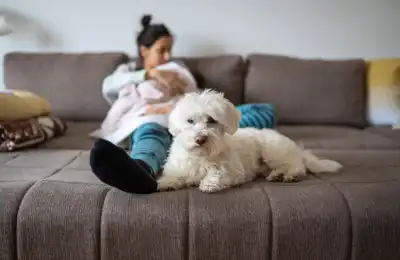
Breeds with strong guarding instincts often follow their owners to keep watch. For them, sticking close is about making sure you’re safe.
What you can do: While protection is natural, it’s important that your dog doesn’t become overprotective. Reward calm, relaxed behaviour and avoid encouraging excessive guarding.
7. Age and Health Factors
Dogs experiencing hearing or vision loss may rely on you more to feel secure. Older dogs may also feel more anxious or vulnerable, so staying close provides comfort.
What you can do: Make your home easy to navigate, maintain routines, and speak to your vet if you suspect health issues are contributing.
Should You Be Concerned?

For most dogs, following their humans is a healthy expression of affection and connection. But if the behaviour is extreme, sudden, or paired with signs of stress, like whining, pacing, or destructive behaviour when left alone, it may be worth addressing.
Provide opportunities for independence alongside quality time with you. This helps ensure your dog is content both in your presence and during short periods apart.
How to Encourage Healthy Independence
If your dog’s constant shadowing feels overwhelming or you sense anxiety behind it, here are some practical tips:
- Create safe spaces: Give your dog a comfortable bed or crate in different rooms so they can settle independently.
- Use enrichment: Puzzle toys and chew items can keep them occupied while you move around.
- Practice short separations: Start with leaving the room for a few minutes, gradually increasing the time to build confidence.
- Reward calm behaviour: Praise or treat your dog when they choose to rest away from you.
- Maintain routines: Predictability reduces anxiety, so keep feeding, walking, and resting times consistent.
Recommended for you!
Best SellersFrequently Asked Questions
Why does my dog follow me more than other family members?
Dogs often bond most strongly with the person who spends the most time with them or provides food, exercise, and comfort. If you are your dog’s main caregiver, they are likely to see you as their go-to source of security and will follow you more closely than others.
Should I stop my dog from following me everywhere?
If you enjoy it and your dog seems happy, there’s no reason to stop your dog from following you. However, if it feels overwhelming or if your dog struggles to cope when separated, it’s a good idea to encourage independence through training, enrichment, and gradual practice at being alone.
Why does my dog follow me and then stare at me?
Dogs use eye contact to communicate. Staring may mean your dog is waiting for a cue, such as food, a walk, or playtime. It can also be their way of expressing affection and keeping connected with you. As long as the stare feels relaxed rather than tense, it’s usually harmless.
Can following be a sign of a health problem?
If your dog suddenly starts following you more than usual, especially if they seem restless or clingy, it can be linked to discomfort, illness, or age-related changes like declining vision or hearing. If the behaviour is sudden and out of character, it’s worth consulting your vet.
Do some breeds follow their owners more than others?
Breeds that were developed to work closely with humans, such as Border Collies, Labradors, and German Shepherds, often shadow their owners more than more independent breeds like Huskies or Shiba Inus. That said, individual personality plays a big role too.
Study Our Canine Communication Diploma for £29
If you’d like to take this knowledge further, why not study the Canine Communication Diploma Course from Centre of Excellence? It offers practical insights into how dogs think, feel, and communicate, helping you better understand and support your furry friend. You can currently enrol for just £29, making it an affordable way to deepen your knowledge and connection with your dog.




