Feeding a dog that is a picky eater can be challenging, especially when you want to make sure they’re getting the nutrients they need to stay healthy and energetic. This guide explores why some dogs are picky with food, what may be behind their selective eating habits, and how you can help encourage better mealtime behaviour.
Jump to:
Signs That Your Dog Is a Picky Eater
Dogs show their fussiness in many small but noticeable ways. These signs can help you recognise when your dog’s behaviour at mealtimes suggests picky eating.
- Turning away from food after sniffing it.
- Only eating certain brands or flavours.
- Picking at food throughout the day instead of finishing meals.
- Eating treats or human food eagerly, but refusing dog food.
- Changes in body language, such as showing excitement at mealtime but losing interest once the bowl is down.
- Waiting for you to add toppings or hand-feed them before eating.
- Leaving food untouched for long periods but otherwise acting healthy.
When these behaviours become consistent, it’s likely your dog is a fussy eater rather than unwell, although sudden changes should always be checked by a vet.
Recommended for you!
Best Sellers




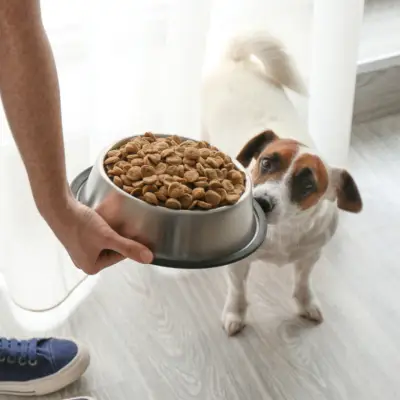


7 Common Reasons for Picky Eating in Dogs
There are several reasons why dogs become fussy eaters. Understanding the cause is key to finding a remedy that works for your pet.
1. Taste and Texture Preferences
Dogs can be particular about flavours, smells and textures. Some enjoy crunchy dry food, while others prefer soft, meaty meals. A change in brand or even how food is stored can alter its scent and make it less appealing.
Trying different textures can help identify what your dog prefers. Mixing wet and dry food, lightly warming meals to enhance aroma, or adding a small spoonful of plain, unsalted broth can make food more enticing. Introduce changes gradually to avoid upsetting their digestion.
2. Too Many Treats or Table Scraps

Many dogs learn to hold out for something tastier if they receive frequent treats or leftovers. High-value snacks are more rewarding than regular dog food, and some dogs quickly realise that refusing their bowl earns them better options later.
Limiting treats to training sessions and avoiding table scraps can encourage your dog to return to balanced meals. Offering only dog food at set mealtimes helps them understand that the main bowl is their primary food source.
3. Routine and Mealtime Environment
Dogs feel secure when they have a predictable routine. Irregular feeding times and noisy environments can distract them or cause anxiety. Creating calm, consistent mealtimes often helps fussy dog eaters feel more relaxed and ready to eat.
Feed your dog in the same place each day, ideally in a quiet area away from activity or other pets. Remove the bowl after 15 to 20 minutes, even if they haven’t finished. This teaches that food is available only at specific times, which helps build appetite.
4. Medical or Dental Issues
Dental disease, sore gums, stomach upset, and infections can all cause a temporary loss of appetite. If your dog is a picky eater and this behaviour is new or accompanied by other symptoms such as drooling, vomiting, and lethargy, consult your vet. Early treatment of medical issues helps prevent long-term feeding problems and ensures your dog remains comfortable.
5. Boredom with the Same Food
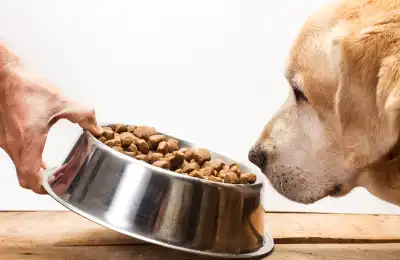
Dogs enjoy variety and may lose interest if they’re served the same meal every day. This doesn’t mean changing brands constantly, but small adjustments can refresh their appetite.
Rotating between different flavours or occasionally adding small amounts of cooked vegetables or a spoonful of dog-safe wet food can keep meals interesting.
6. Emotional or Environmental Stress
Dogs are sensitive to emotional changes in the household. Moving home, introducing a new pet, separation from an owner, and loud noises can cause anxiety and reduce appetite. In these situations, dogs may eat less or become selective about what they will eat.
Reducing stress through consistent routines and calm feeding areas can restore normal eating habits. Using slow, patient encouragement helps your dog feel safe enough to eat comfortably.
7. Age and Life Stage
A puppy that is a picky eater may be adjusting to new foods or teething discomfort. As dogs mature, their dietary needs change, and older dogs may become fussy eaters due to reduced senses of smell and taste.
Puppies often respond well to smaller, more frequent meals, while senior dogs may need softer food that’s easier to chew. Choosing age-appropriate formulas ensures your dog gets balanced nutrition without discomfort.
Tips to Encourage Better Eating

Helping a dog develop healthier habits takes patience and consistency. The following tips provide practical, gentle ways to support better eating behaviour.
- Stick to set meal times: Offer food at the same times each day and remove uneaten food after 20 minutes to create a routine.
- Avoid feeding from the table: Human food often smells stronger and tastes richer, which can make dog food less appealing.
- Make food more enticing: Warm your dog’s meal slightly or mix in a spoonful of low-sodium broth or plain pumpkin for added aroma.
- Exercise before meals: A walk before feeding can stimulate appetite and encourage more enthusiastic eating.
- Check food quality and freshness: Always store dog food in airtight containers to maintain its smell and taste.
- Use positive reinforcement: Praise your dog calmly when they eat well to encourage consistent behaviour.
When to Seek Professional Help
If your dog continues to refuse food after consistent changes or begins losing weight, a professional assessment is recommended. A vet can rule out underlying conditions such as digestive issues, dental disease, or food sensitivities. Persistent refusal to eat, vomiting, diarrhoea, or sudden changes in behaviour should never be ignored.
Frequently Asked Questions
How long should I wait before changing my dog’s food if they refuse to eat it?
It’s best to give any new food at least a week before deciding whether your dog dislikes it. Dogs sometimes take a few days to adjust to a different taste or texture. Introduce new food gradually by mixing a small amount with their usual meal and slowly increasing the ratio.
Should I hand-feed my dog if they refuse to eat?
Hand-feeding might encourage a reluctant eater temporarily, but it can also reinforce picky behaviour if done too often. It’s better to offer food in their bowl and calmly remove it after 15 to 20 minutes if uneaten. Save hand-feeding for recovery after illness or training situations.
Can dental chews or bones replace a full meal?
While dental chews are beneficial for oral hygiene, they don’t provide complete nutrition. They should be given as a supplement to a balanced diet, not as a meal replacement.
Is it safe to add human food to my dog’s meals?
Certain plain, cooked human foods like rice, chicken, and vegetables can safely enhance your dog’s meals. However, avoid harmful foods such as seasoning, sauces, onions, garlic, chocolate, and grapes, which are toxic to dogs. When in doubt, consult your vet before adding new ingredients.
Can supplements help with picky eating?
Some supplements containing omega-3 fatty acids or digestive enzymes can improve appetite and digestion. However, these should only be introduced under veterinary guidance to ensure they’re suitable for your dog’s age and health condition.
Recommended for you!
Best SellersStudy Our Canine Nutrition Diploma for £29
Feeding your dog well is one of the best ways to support their long-term health and happiness. If you’d like to understand canine diets in more depth, explore ingredient quality, and learn how to create balanced meal plans, our Canine Nutrition Diploma Course is a perfect next step. For a limited time, you can study this course for just £29.