If you’ve ever stroked your cat and noticed their fur feels lumpy or tangled, this is known as matting. Matted fur is a common problem, especially for long-haired cats, older cats, or those who are unwell or stressed. It can be worrying to find your cat’s hair matted, particularly if it seems uncomfortable or difficult to brush out.
This guide explains why cat fur matting happens and how to prevent it from returning. You’ll also learn when to seek help from a vet or groomer.
Jump to:
- What Causes Matted Cat Fur?
- Is Matted Fur Painful for Cats?
- Can Fleas or Stress Cause Matting in Cats?
- Can Diet Affect Cat Hair Matting?
- What Happens if You Leave Matted Fur on a Cat?
- How to Fix Matted Hair on a Cat
- How to Prevent Fur Matting
- Frequently Asked Questions
- Study Feline Anatomy and Physiology for £29
What Causes Matted Cat Fur?
Matted fur develops when loose hairs become tangled and bond together. Over time, these tangles tighten and pull at your cat’s skin, causing discomfort and pain. Common causes include:
1. Lack of grooming
Cats usually keep themselves beautifully clean, but if your cat’s fur is clumping on their back or sides, it might be because they’re not grooming properly. This can happen in older cats who are stiff or arthritic, overweight cats who can’t reach certain areas, or cats who are unwell or anxious.
2. Long or thick coats
Breeds like Persians, Ragdolls, and Maine Coons are more prone to matting because of their dense undercoats. Their fur can easily trap dirt and loose hair, leading to tangles that form mats.
3. Shedding and friction
When your cat sheds, the dead hair can become trapped in the coat, sticking to surrounding fur. Mats often appear where there’s movement or friction, such as under the collar, behind the ears, under the legs, or on the lower back.
4. Health and diet
Poor nutrition can make your cat’s coat dry, dull, and more likely to tangle. Skin conditions, parasites, and allergies can also contribute to fur matting.
5. Stress and anxiety
A stressed cat may neglect grooming altogether, or overgroom one area while ignoring another. Both behaviours can lead to patches of matted fur or hair loss.
Is Matted Fur Painful for Cats?
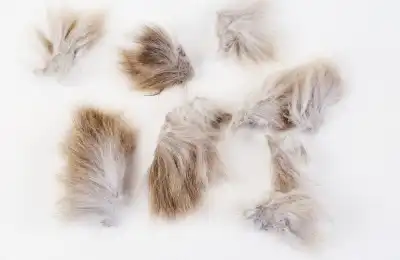
Matted fur can be painful for cats. As mats tighten, they pull on the skin, leading to soreness and inflammation. In severe cases, mats can restrict movement or cause open wounds where the skin tears underneath the tangles.
You may notice your cat flinching or trying to avoid touch near the affected area. Left untreated, mats can also trap dirt, moisture, and parasites, leading to skin infections. So even if your cat seems fine, matted fur is always worth addressing as soon as possible.
Can Fleas or Stress Cause Matting in Cats?
Both fleas and stress can play a role in matting. Fleas irritate the skin, making your cat scratch or bite at their fur. This can break the hair and cause tangles to form. Stress, on the other hand, may cause your cat to stop grooming altogether or to overgroom certain areas, which can also result in matting.
Keeping your cat flea-free and managing their stress through a calm, predictable environment can go a long way in maintaining a healthy coat.
Can Diet Affect Cat Hair Matting?
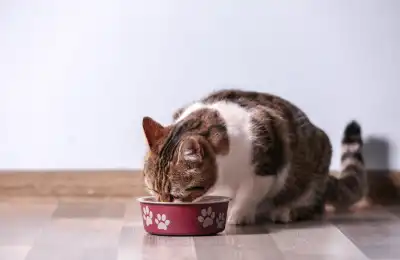
A healthy, balanced diet supports skin health and keeps your cat’s fur glossy and less likely to tangle. Cats need a diet rich in omega-3 and omega-6 fatty acids, proteins, and essential vitamins to maintain coat condition.
If your cat’s hair gets matted frequently, consider whether their food supports coat health. If they’re picky eaters, a vet or feline nutritionist can recommend high-quality diets that improve skin and fur texture.
What Happens if You Leave Matted Fur on a Cat?
Leaving mats untreated can lead to a chain of problems. The mats will tighten over time, pulling at your cat’s skin and preventing airflow. This can cause pain and restricted movement, especially around the legs or tail base.
In extreme cases, neglected matting can even be considered a welfare issue, as it impacts a cat’s comfort and wellbeing. So, while it’s common and fixable, matting should never be ignored.
How to Fix Matted Hair on a Cat
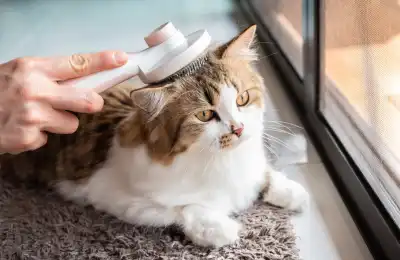
Dealing with matted fur takes patience and care. Here’s how to help your cat safely:
1. Use your fingers first
Start by gently loosening the edges of small tangles with your fingers. Be slow and calm to avoid hurting your cat.
2. Use a wide-toothed comb
For mild matting, a detangling comb or mat splitter can help tease out knots. Hold the fur close to the skin to prevent pulling.
3. Avoid scissors
Cutting matted cat hair is risky because the mats sit very close to the skin. Even experienced owners can accidentally cause cuts or wounds. It’s best to leave this to a professional groomer or vet.
4. Try olive oil (with caution)
Some people use a small drop of olive oil on a tight mat to help loosen it, but this should only be done sparingly and never on broken skin. If you’re unsure, check with your vet before applying anything to your cat’s coat.
5. Seek professional help
If the mats are large, dense, or near sensitive areas like the belly or armpits, book an appointment with a groomer or vet. They can safely shave or trim the mats without hurting your cat.
How to Prevent Fur Matting
Once you’ve dealt with existing mats, prevention is key. Follow these steps:
- Brush regularly: Choose a brush suited to your cat’s coat type.
- Check for tangles: Focus on high-friction areas like under the collar, behind the ears, and along the back.
- Monitor your cat’s health: If your cat suddenly stops grooming, it could signal pain or illness.
- Keep up with flea treatments: Prevent itching and scratching that can worsen matting.
- Feed a healthy diet: Nourish your cat’s coat from the inside out.
Consistent care keeps your cat’s coat smooth and comfortable, and it’s a lovely way to spend time together.
Frequently Asked Questions
Why Is My Cat’s Fur Matted into Clumps?
When mats go unnoticed for too long, they form dense, hard clumps. These “hair mats” are difficult to brush out without causing pain. Cat fur matting into clumps is often a sign that dead fur, oils, and dirt have built up over time.
If the clumps are large or close to the skin, avoid cutting them yourself, as it’s easy to nick your cat’s skin. Instead, seek help from a professional groomer or vet who can safely remove them.
Why Is My Cat’s Fur Matted on His Back?
It’s very common for mats to form along the back, particularly near the base of the tail. This is one of the hardest areas for cats to reach when grooming, especially for overweight or elderly cats. It’s also where friction from lying or sitting can cause fur to compact.
If your cat’s back fur feels clumpy or thick, it could also indicate oily skin or an underlying condition that’s affecting their grooming habits. A quick check-up with your vet can help rule out arthritis or other issues that make self-grooming difficult.
Why Is My Old Cat Getting Matted Fur?
Ageing cats are particularly prone to matting. Arthritis or general stiffness can make it hard for them to twist and groom properly. Their fur also changes with age, often becoming drier and more prone to tangling.
If your senior cat’s hair is matted, it’s worth checking for underlying pain or illness. Regular gentle brushing and vet visits can help keep them comfortable and their coat in better condition.
Should I Take My Cat to the Vet for Matted Fur?
If your cat’s fur is severely matted or if you notice sores or scabs beneath the mats, it’s best to visit the vet. They can assess the skin underneath, remove the mats safely, and check for any health issues that may have caused the problem. In some cases, vets use clippers or sedation to remove extensive matting.
Why Shouldn’t You Cut Matted Cat Hair?
Mats sit tight against your cat’s skin, making it easy to accidentally cut or tear the delicate tissue beneath. Even a small nick can lead to infection. Instead of cutting, focus on gentle detangling or professional grooming.
Can You Shave a Mat Off a Cat?
Shaving should only be done by a professional groomer or vet. They have the right tools and know how to avoid injuring your cat. In severe cases, a full or partial shave might be necessary to remove hardened mats, but this must be done carefully to protect your cat’s skin.
Recommended for you!
Best Sellers



Study Feline Anatomy and Physiology for £29
If you’d like to understand more about your cat’s body, behaviour, and wellbeing, our Feline Anatomy and Physiology Diploma Course is the perfect next step. For a limited time, you can enrol for just £29.