If you've caught your dog frantically eating grass in the garden and wondered what on earth is going on, you're certainly not alone. It's one of the most common questions dog owners ask, and it's completely understandable to feel a little concerned, especially if your dog then throws up afterwards. Whether your dog nibbles occasionally or hoovers up great mouthfuls every time they step outside, this behaviour can feel puzzling.
The good news is that grass eating is very common in dogs of all ages and breeds, and in most cases it isn't a cause for panic. That said, it's worth understanding why it happens, what it might be telling you about your dog's health and wellbeing, and when it's time to pay closer attention.
Jump to:
- Why Do Dogs Eat Grass?
- Does Dogs Eating Grass Mean Anything?
- Do Dogs Eat Grass to Throw Up?
- My Dog Ate Grass and is Throwing Up - Should I worry?
- Why Does My Dog Keep Eating Grass But Not Throwing Up?
- What is a Dog Lacking When They Eat Grass?
- Why Would a Dog Suddenly Start Eating Grass?
- When to Be Concerned About a Dog Eating Grass
- Should You Let Your Dog Eat Grass?
- How to Stop Your Dog from Eating Grass
- What to Feed Your Dog to Help Stop Grass Eating
- Study Canine Behaviour for £29
Why Do Dogs Eat Grass?
Dogs and grass have had a long relationship. Long before our pets were living on sofas and eating from ceramic bowls, their wild ancestors were eating whatever they could find, including plants. So while it might seem odd, grass eating is deeply rooted in canine instinct.
There are several reasons why dogs eat grass, and it's rarely down to just one cause. Here are the most common explanations:
- Instinct and ancestry. Wild canids such as wolves and foxes regularly consume plant matter, either directly or through the stomachs of their prey. Domestic dogs have retained some of these instinctual behaviours even though their diet has changed dramatically.
- Boredom or habit. Dogs eating grass isn't always about physical need. Sometimes it's simply something to do. If your dog isn't getting enough mental stimulation or physical exercise, they may turn to grazing as a way to pass the time.
- They enjoy the taste or texture. Some dogs simply like grass. It may be the fresh taste, the crunch, or the moisture in the blades, particularly in spring when grass is young and tender.
- An upset stomach. Many owners notice that a sick dog eating grass is more likely to vomit shortly afterwards, leading to the belief that dogs use grass as a self-induced remedy.
- Nutritional deficiency. In some cases, dogs eat grass because something is missing from their diet, which we'll explore in more detail below.
Does Dogs Eating Grass Mean Anything?
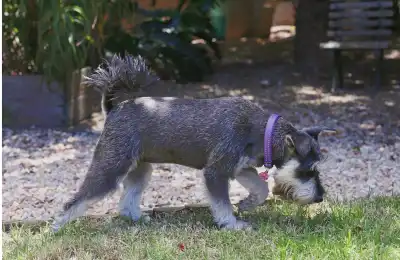
The honest answer is that it can mean several different things depending on the individual dog and the context.
For many dogs, eating grass means very little. It's simply a behaviour they engage in occasionally, the same way some dogs like to chew sticks or dig holes. In these cases, it's considered a normal part of canine behaviour and isn't a red flag.
However, if your dog is eating grass more frequently than usual, or if the behaviour has appeared suddenly, it may be worth taking a closer look at their diet, health, and environment. Context is everything. A dog that occasionally nibbles grass on a walk is very different from a dog that is frantically eating grass every single day.
Do Dogs Eat Grass to Throw Up?
The question of whether dogs eat grass to throw up — or whether they vomit simply because grass irritates their stomach — is something that researchers have looked into.
A study by the University of California found that fewer than 8% of dogs that eat grass regularly vomit afterwards. This suggests that while some dogs may deliberately eat grass to induce vomiting when they feel unwell, the majority are eating it for other reasons entirely.
That said, if you've noticed that your dog throwing up and eating grass seem to go together, there's a reasonable explanation. Grass blades contain rough fibres that can tickle the throat and stomach lining, triggering a gag reflex in some dogs. So it's less that dogs eat grass to throw up, and more that the grass itself can cause vomiting as a side effect.
Grass can also be a laxative for dogs, as the fibre content in grass can help to stimulate digestion and encourage bowel movements. If your dog is eating grass and producing more frequent or looser stools, this may be why.
My Dog Ate Grass and Is Throwing Up — Should I Worry?
If your dog vomited after eating grass once or twice, it's usually nothing to be alarmed about. However, if your dog is repeatedly vomiting grass, or if you're seeing vomiting alongside other symptoms such as lethargy, loss of appetite, or diarrhoea, it's worth contacting your vet. Vomit that is yellow or foamy may indicate bile, which can point to an empty stomach or a digestive issue that needs attention.
Why Does My Dog Keep Eating Grass But Not Throwing Up?
Many owners notice that their dog chews grass and swallows it without any vomiting at all, and then seems perfectly fine. This is actually the most common scenario. As noted above, the majority of dogs that eat grass do not go on to be sick. In these cases, it's likely that your dog simply enjoys it, or that they're responding to a mild dietary need rather than a significant health issue.
If your dog keeps eating grass but isn't throwing up and otherwise seems healthy, relaxed, and full of energy, there's usually little reason for concern. However, if the behaviour is obsessive or seems to be increasing, it's still worth mentioning to your vet at the next routine appointment.
What is a Dog Lacking When They Eat Grass?
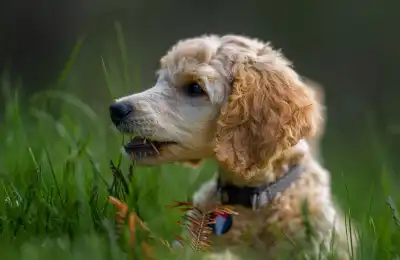
The definition of a dietary deficiency in dogs is simply that something important is missing from what they're eating, and grass eating can sometimes be a sign of this. Dogs may turn to grass when they're lacking:
- Fibre. Grass is high in fibre, and some dogs may instinctively seek it out if their regular food doesn't provide enough roughage to support good digestion.
- Certain vitamins and minerals. Fresh plant matter contains phytonutrients, folic acid, and trace minerals that may be absent from a highly processed diet.
- Digestive enzymes. A dog's gut flora relies on a varied diet to stay balanced. If their food is lacking in natural enzymes, they may seek these out elsewhere.
It may be time to review your dog's current food and whether it's truly meeting all of their nutritional needs.
Why Would a Dog Suddenly Start Eating Grass?
If your dog has never shown much interest in grass before and has suddenly started eating it, it's worth pausing to think about what might have changed. A sudden shift in behaviour often has a trigger. Some possible reasons include:
- A change in their diet or food brand.
- Increased stress or anxiety (perhaps due to a house move, a new pet, or changes in routine).
- A developing digestive issue such as pancreatitis or inflammatory bowel disease.
- Seasonal changes — dogs often eat more grass in spring when it's fresher and more palatable.
- Boredom from reduced exercise or stimulation
It's also worth noting that dogs with pancreatitis sometimes eat grass, possibly as a response to nausea or abdominal discomfort. If your dog has been diagnosed with pancreatitis or you suspect they might have it, speak with your vet about whether their grass-eating habit could be connected.
When to Be Concerned About a Dog Eating Grass
Knowing when to be concerned about a dog eating grass can save you a lot of unnecessary worry, and also help you act quickly when something genuinely isn't right. Here's a helpful guide:
It's usually fine if:
- Your dog eats grass occasionally and seems otherwise happy and well.
- There's no accompanying vomiting, lethargy, or change in appetite.
- The behaviour has been consistent over time with no sudden increase.
Speak to your vet if:
- Your dog is eating grass frantically and more urgently than usual.
- It’s happening repeatedly in a short space of time.
- The vomit contains yellow foam, blood, or unusual material.
- Your dog is eating grass and showing signs of pain or distress.
- A puppy keeps eating grass and seems unwell — puppies are more vulnerable and should always be checked if they show any unusual symptoms.
It's also worth noting that grass treated with pesticides, herbicides, or fertilisers can be harmful to dogs. Always be mindful of where your dog is grazing, particularly in public parks or on unfamiliar lawns.
Should You Let Your Dog Eat Grass?
So, should you let your dog eat grass if they want to? The general consensus among vets is that occasional grass eating on clean, untreated grass is not harmful and doesn't need to be stopped. It's a natural behaviour, and for most dogs, it causes no harm whatsoever.
However, if the grass eating is constant, is causing repeated vomiting, or is happening on potentially treated ground, then it makes sense to redirect the behaviour.
How to Stop Your Dog from Eating Grass
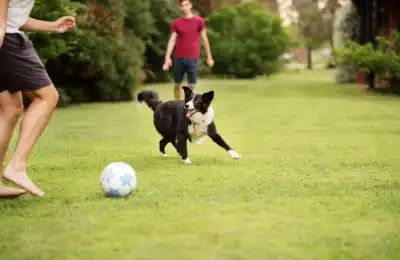
If you're wondering how to stop your dog from eating grass, the most effective approach is to address the root cause rather than simply trying to prevent the behaviour itself. Here are some practical strategies:
Increase Fibre in Their Diet
If your dog seems to be eating grass out of a nutritional need, adding more fibre-rich foods to their diet — such as cooked vegetables like carrots, green beans, or sweet potato — can help reduce the urge. Always introduce new foods gradually and in small quantities.
Keep Them Mentally and Physically Stimulated
Boredom is a surprisingly common driver of grass eating. Longer walks, more enrichment activities, puzzle feeders, and training sessions can all help to redirect your dog's energy and attention.
Teach a 'Leave It' Command
Training your dog to respond to a "leave it" command is one of the most useful tools you can have. With consistent practice, this can be used to stop your dog from eating grass on walks and in the garden. Reward-based training works best.
Provide Appropriate Alternatives
An alternative to eating grass for dogs can be as simple as providing safe chew toys, fresh herbs like parsley (which many dogs enjoy), or even a small pot of dog-safe wheatgrass that you grow at home. This satisfies the grazing instinct in a controlled, safe way.
Restrict Access When Necessary
If you're concerned about treated grass or a particularly persistent habit, consider restricting your dog's access to grassy areas during walks until the behaviour is under control. This is especially useful when puppy training, as younger dogs can be more impulsive and harder to redirect mid-action.
What to Feed Your Dog to Help Stop Grass Eating
If you suspect that your dog's grass eating is nutritionally driven, reviewing their diet is a really positive first step. Here are some things to consider:
- Look at the ingredient list on your dog's food. High-quality dog food should list a named protein source as the first ingredient, with minimal fillers and artificial additives.
- Consider adding a probiotic supplement. These can help support gut health and reduce the urge to seek out plant matter.
- Ensure they're getting enough hydration. Sometimes dogs eat grass simply because they're not drinking enough water. Make sure fresh water is always available.
- Speak to your vet about a dietary review. If you've tried adjusting their diet and the behaviour continues, a professional assessment can help identify any specific deficiencies.
Recommended for you!
Best Sellers




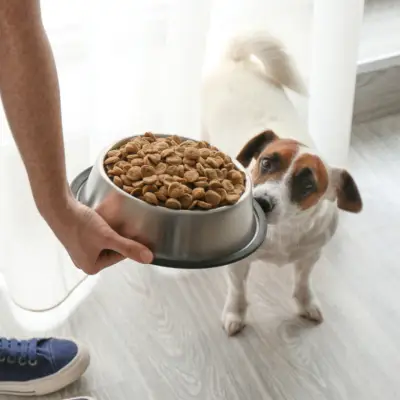


Study Canine Behaviour for £29
Understanding what your dog eats and why is one of the most powerful things you can do as a dog owner. If this topic has sparked your interest and you'd like to go deeper into canine health and behaviour, the Canine Behaviour Diploma Course from Centre of Excellence is a brilliant place to start.
This online course is designed for all levels, whether you're a complete beginner or someone with existing knowledge of animal care, and covers everything from puppy behaviour to training tips and how diet, and nutrition can play a role. Enrol today for just £29!