As summer’s warmth begins to fade and the air turns crisp, the natural world enters a time of balance and transformation. Many people feel this shift deeply, sensing that it’s time to reflect and give thanks.
This blog post explores the autumn equinox, its meaning, traditions, and the ways you can celebrate and find harmony during this special moment of the year.
Jump to:
What Is the Autumn Equinox?
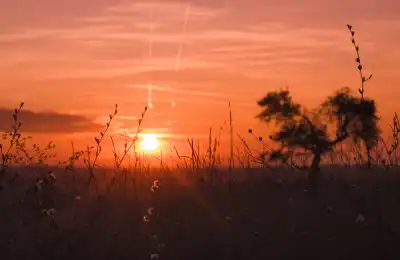
The Autumn Equinox is one of two points in the year when day and night are almost exactly equal in length. It marks the official start of autumn and occurs when the sun crosses the celestial equator. This astronomical event means the Earth’s axis is not tilted towards or away from the sun, creating a perfect balance between light and darkness.
The term equinox comes from the Latin words aequus, meaning “equal”, and nox, meaning “night”. It is often seen as a time of rest and reflection, symbolising the harvest season and the completion of the year’s cycle of growth.
Recommended for you!
Best Sellers
When Is the Autumn Equinox?
In the Northern Hemisphere, the Autumn Equinox takes place around 22nd or 23rd September each year, depending on the Earth’s orbit. For people living in the Southern Hemisphere, the Autumn Equinox occurs around 20th or 21st March. This marks the official start of autumn for countries such as Australia, New Zealand, and parts of South America.
Meaning of the Autumn Equinox
Spiritually and emotionally, the Autumn Equinox symbolises balance and gratitude. It encourages people to take stock of the year’s achievements, to express thankfulness for what they have gathered, and to let go of what is no longer needed, just as the trees release their leaves in preparation for winter.
It is a reminder that light and dark, activity and rest, abundance and stillness all have their place. This balance mirrors the cycles within human life and invites a sense of peace and acceptance. It’s a time to slow down and appreciate the beauty of transition.
Pagan Autumn Equinox Traditions and Folklore
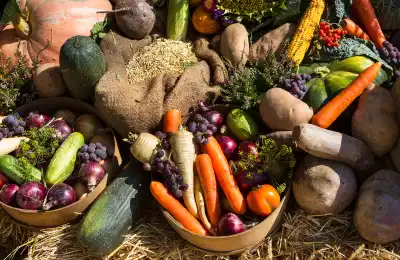
In Paganism, the autumn equinox is known as Mabon, one of the eight festivals in the Wheel of the Year, celebrating the second harvest and honouring the cycle of life and death. Pagan traditions often involve giving thanks for the fruits of the earth, sharing seasonal feasts, and acknowledging the balance between light and dark.
The Autumn Equinox is also associated with various deities and myths. In Celtic mythology, Modron, the Great Mother, and her son Mabon, symbolise the eternal cycle of death and rebirth. In Greek mythology, the story of Persephone’s descent into the underworld reflects the earth’s retreat into dormancy during the colder months. Similarly, the Roman goddess Pomona, who presides over fruit and abundance, represents the nurturing energy of this season.
Modern Rituals and Reflection
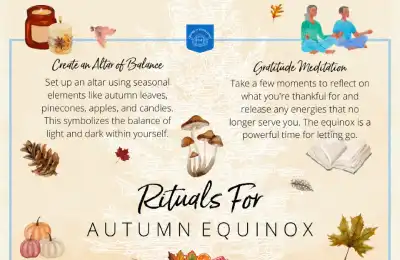
The Autumn Equinox is still celebrated by many people today, both within spiritual communities and by those who simply want to connect with the rhythm of nature. Below are some ways to honour the autumn equinox at home, each one designed to help you reflect and express gratitude.
1. Create a Gratitude Altar
Set up a small space in your home with items that represent autumn, such as candles, leaves, apples, or conkers. Add symbols of gratitude, such as photographs or objects that hold personal meaning. Use this space for reflection and to express appreciation for what you have harvested in your life.
2. Enjoy a Harvest Feast
Cook a meal using seasonal produce like pumpkins, apples, pears, blackberries, and squash. Sharing food with loved ones honours the pagan traditions of giving thanks for the earth’s bounty. Eating seasonally also helps you feel in tune with nature’s cycles.
3. Practice Release and Renewal
Write down habits and emotions that you’re ready to release before winter. Once you’ve reflected on them, safely burn or bury the paper as a symbolic act of letting go. This mirrors the natural process of the trees shedding their leaves, making space for new growth in the months ahead.
4. Spend Time in Nature
Take a quiet walk outdoors and notice the changing colours, falling leaves, and cool air. Being present in nature during the Autumn Equinox helps ground your energy and reminds you of the ongoing cycle of life and renewal.
5. Meditate on Balance
Light a candle and sit in silence for a few minutes, focusing on your breath. Reflect on where you might need more balance in your life, between work and rest, giving and receiving, or doing and being. The autumnal equinox is the perfect time to restore inner harmony.
Frequently Asked Questions
What is the difference between the Autumn Equinox and the Winter Solstice?
The Autumn Equinox marks the point when day and night are roughly equal in length, symbolising balance and transition into the darker half of the year. The Winter Solstice, which occurs around 21st December, is the shortest day and longest night of the year, marking the start of winter and the gradual return of longer days.
Does the Autumn Equinox affect animals or plants?
Many animals use changes in daylight during the equinox as signals to migrate, hibernate and prepare for the colder months. Plants also respond by slowing their growth and shedding leaves, conserving energy for winter. The equinox marks a powerful shift in natural rhythms across ecosystems.
How is the Autumn Equinox celebrated around the world?
Different cultures celebrate the equinox in their own unique ways. In Japan, Higan is observed with visits to ancestors’ graves and family gatherings. In China and other parts of Asia, the Mid-Autumn Festival celebrates the harvest moon with lanterns, mooncakes, and gratitude rituals. Indigenous cultures hold harvest and thanksgiving ceremonies.
Can the Autumn Equinox affect mood or energy levels?
The shorter daylight hours after the equinox can influence mood and energy. Some people feel more reflective, while others experience a desire to slow down and rest. Adjusting routines, spending time outdoors, and embracing cosy seasonal rituals can help maintain balance and wellbeing.
What crystals are connected with the Autumn Equinox?
Many people who practise seasonal spirituality use crystals during equinox rituals. Stones such as citrine, amber, smoky quartz, and carnelian are believed to support grounding and gratitude, qualities that align beautifully with this time of year.
What herbs or plants are used in Autumn Equinox celebrations?
Common herbs and plants include sage, rosemary, thyme, and marigold, which are often burned, brewed, or displayed as offerings. These plants symbolise protection and appreciation for nature’s final harvest before winter.
Recommended for you!
Best SellersStudy Our Paganism Diploma for £29
For those who wish to explore the spiritual significance of the autumn equinox and other pagan traditions, the Paganism Diploma Course offers an insightful and accessible way to deepen your understanding. The course is currently available for just £29!