Many dogs go through curious chewing phases, especially as puppies, but when this behaviour becomes regular or compulsive, it could be a sign of a condition called pica.
This blog post explores what pica is, its causes, the signs to look out for, and how it can be treated.
Jump to:
What Is Pica in Dogs?
Pica in dogs is a behavioural and sometimes medical condition where a dog repeatedly eats non-food items. This might include objects such as stones, soil, fabric, paper, or plastic. While many dogs chew things out of curiosity or boredom, pica refers specifically to the act of swallowing and digesting these inedible materials.
Although it may seem strange, dogs with pica are not being mischievous; they are often responding to something deeper that needs to be addressed.
Recommended for you!
Best Sellers


Symptoms of Pica in Dogs
The signs of pica can vary depending on the items your dog consumes and how often it happens. Some dogs may show mild symptoms, while others can experience more serious health complications. Typical symptoms of pica in dogs include:
- Persistent eating or chewing of non-food items.
- Vomiting and diarrhoea caused by ingesting indigestible materials.
- Abdominal discomfort, bloating, and signs of pain when touched.
- Lethargy and lack of appetite due to digestive blockages.
- Restlessness, pacing, and anxiety-like behaviour.
- Evidence of missing household items or chewed materials.
If you notice your dog eating objects regularly, it’s important to contact a vet as soon as possible for assessment.
Why Would a Dog Have Pica?
There are several reasons why a dog might develop pica. In many cases, it’s caused by a combination of environmental, behavioural, and medical factors. Understanding these can help you address the root cause and support your dog’s recovery.
Boredom and Lack of Stimulation
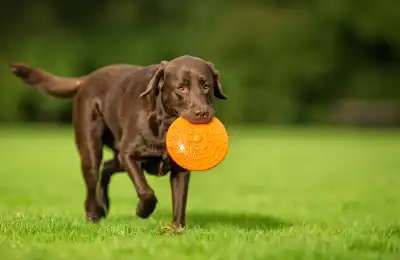
Dogs that don’t receive enough mental or physical stimulation often look for ways to occupy themselves. Chewing and eating inappropriate objects can become a form of entertainment or self-soothing behaviour. Providing engaging toys, puzzles, and regular exercise can help reduce this urge.
Anxiety or Stress
Separation anxiety is one of the most common emotional causes of pica, especially in younger dogs. Dogs left alone for long periods, or those struggling with changes in their environment, may turn to destructive eating as a coping mechanism.
Attention-Seeking Behaviour
If your dog realises that eating something inappropriate gets your attention, they may continue doing it. Even scolding can reinforce the behaviour, as the dog learns that it results in interaction. In these cases, teaching calm and alternative behaviours through positive reinforcement is more effective.
Nutritional Deficiencies
Pica can sometimes develop when a dog’s diet lacks certain nutrients. Deficiencies in iron, zinc, or B vitamins can create cravings for non-food materials as the body instinctively tries to compensate. Ensuring your dog has a well-balanced diet is essential.
Medical Conditions
Certain medical problems can increase appetite or alter digestion, leading to pica. These may include diabetes, thyroid imbalances, gastrointestinal disease, and liver disorders. In some dogs, pica is also associated with parasites, which can interfere with nutrient absorption and appetite regulation.
Learned or Habitual Behaviour
Pica may start as a habit in puppyhood and continue into adulthood. Puppies explore the world with their mouths and may accidentally swallow objects during play. If this behaviour isn’t corrected early, it can become routine.
What Dog Breeds Are Prone to Pica?

While pica can affect any dog, certain breeds appear more predisposed to it due to their personality traits and energy levels. Breeds that are active or prone to anxiety are often at higher risk. Breeds commonly associated with pica include:
- Labrador Retrievers, known for their strong appetites and curiosity.
- Beagles, who often explore their surroundings through scent and taste.
- Border Collies and Jack Russell Terriers, who are highly active and easily bored.
- German Shepherds, particularly those prone to stress or separation anxiety.
However, pica is not limited to specific breeds. Environment, lifestyle, and diet all play significant roles in whether a dog develops this behaviour.
Treatment for Pica in Dogs
Treating pica effectively means identifying and addressing the underlying cause rather than simply trying to stop the behaviour.
Veterinary Treatment
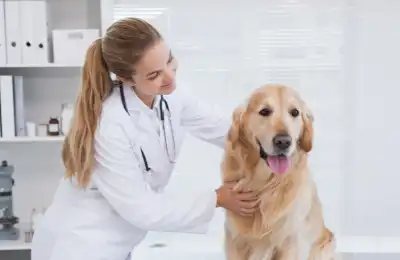
A veterinary examination is the first step in managing pica. Your vet may perform blood tests, X-rays, or stool samples to check for deficiencies and blockages. If a medical condition is found, treating it can often resolve the pica. For example, if parasites are present, deworming treatment will be prescribed. If a deficiency is detected, supplements or dietary adjustments may be recommended.
Nutritional Management
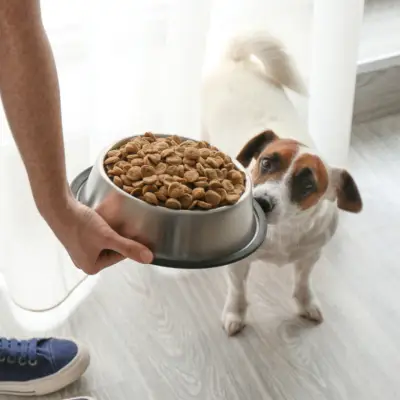
Ensuring that your dog receives all essential nutrients helps prevent deficiencies that can trigger pica. A complete and balanced diet, ideally recommended by your vet, supports healthy digestion and reduces unusual cravings.
Behavioural Training and Enrichment
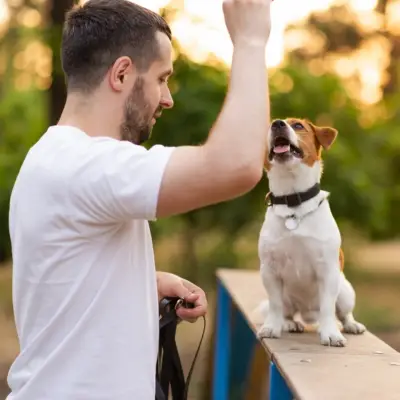
Providing stimulating toys and regular playtime can help redirect your dog’s attention to safe, positive outlets. Commands such as “leave it” and “drop it” are invaluable for preventing ingestion of dangerous items.
Environmental Management
Preventing access to non-food items is an important part of treatment. Keep tempting objects out of reach and supervise your dog in areas where they might find unsafe materials. Using dog-proof bins, keeping laundry off the floor, and providing safe chew toys can significantly reduce the risk.
In some cases, vets may recommend the temporary use of a basket muzzle when outdoors to prevent ingestion while behavioural training takes effect.
Frequently Asked Questions
Can pica in dogs be cured completely?
Pica can often be successfully managed, and in many cases, completely resolved once the underlying cause is identified and treated. However, recovery depends on consistency. If the issue is medical or nutritional, curing the root cause will usually stop the behaviour. When it’s behavioural, long-term management through training and routine may be necessary.
Can puppies grow out of pica?
Some puppies do grow out of pica, especially if it’s linked to teething or curiosity. However, if the behaviour continues past the teething stage or becomes obsessive, it may indicate a deeper problem that requires veterinary attention. Teaching good habits early and providing appropriate chew toys helps reduce the risk of pica persisting into adulthood.
Can changing a dog’s routine help with pica?
Dogs thrive on routine, and disruptions can cause anxiety, which may trigger pica. Keeping consistent meal times, exercise schedules, and rest periods helps your dog feel secure and less likely to engage in stress-related eating.
Does pica always require medication?
Medication is generally reserved for cases where pica is linked to medical conditions or anxiety disorders that cannot be managed through training and environmental adjustments alone. In many cases, lifestyle changes, mental stimulation, and a balanced diet are enough to reduce the behaviour.
Recommended for you!
Best SellersStudy Our Canine Nutrition Diploma for £29
Learning about the essential nutrients dogs need and how to support their wellbeing through diet can make a real difference to their quality of life. Our Canine Nutrition Diploma Course offers an in-depth look at dog nutrition, digestive health, and dietary planning. Enrol today for a discounted price of just £29!