If you have ever watched a cat roll around, rub their face on a toy, or suddenly sprint across the room after sniffing something green and leafy, chances are you have witnessed the effect of catnip. For many cat owners, cats and catnip go hand in hand, but it is also completely normal to wonder what catnip actually does to cats and whether it is safe.
You might be researching this topic because your cat reacts very strongly to it, or perhaps because they don’t seem interested at all. Some people also worry about whether catnip is harmful to cats, if it’s like a drug, or if giving it too often could cause problems.
What’s in This Guide?
This guide explains everything you need to know about catnip, including what it is, how it affects cats, why some cats love it while others ignore it, how much catnip to give, and whether there are any risks to be aware of. We’ll finish with some quickfire questions and answers.
Jump to
- What Is Catnip?
- What’s in Catnip That Affects Cats?
- What Does Catnip Do to a Cat?
- Does Catnip Make Cats High?
- Why Does Catnip Affect Cats?
- Why Do Cats Like Catnip So Much?
- Can Kittens Have Catnip?
- Is Catnip Safe for Cats?
- What Are the Negative Effects of Catnip?
- How to Give a Cat Catnip Safely
- Common Quickfire Questions About Catnip
- Study Feline Behaviour for £29
What Is Catnip?
Catnip, also known by its botanical name Nepeta cataria, is a leafy green plant from the mint family. It’s a natural herb that grows in many parts of the world.
To humans, catnip smells mildly minty and herbal, and its scent has no effect. To many cats, however, it triggers a strong behavioural reaction that can look playful, silly, or even slightly wild. This is why people often talk about a catnip high, even though that phrase is not quite accurate (more on that later).
What’s in Catnip That Affects Cats?
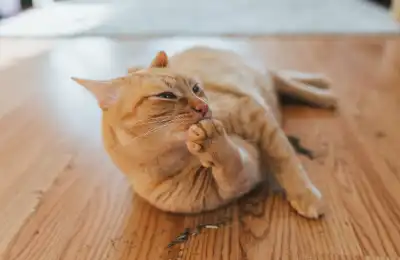
If you are curious about what’s in catnip that causes such a strong response, the key ingredient is a natural oil called nepetalactone. This oil is found mainly in the leaves and stems of the catnip plant.
When a cat smells nepetalactone, it binds to receptors in their nose. These receptors then send signals to the brain, particularly to areas linked with emotions and behaviour. This process explains how catnip works and why it can cause such dramatic changes in behaviour.
This reaction is not harmful and does not damage the brain. It is simply a sensory response, much like how certain smells can trigger memories or emotions in people.
What Does Catnip Do to a Cat?
The effect of catnip on cats can vary, but common behaviours include:
- Rolling on the floor
- Rubbing their face or body against the source
- Purring or vocalising
- Playful jumping or zooming around
- Relaxing or flopping down afterwards
The catnip effect can look different from one cat to another. Some cats become very energetic, while others become calm and mellow.
Does Catnip Make Cats High?
Catnip does not actually make cats high in the way drugs affect people, even though it can look that way. It triggers a natural chemical response in the brain that makes many cats feel playful, excited, or very relaxed for a short time. Cats are not hallucinating or losing control; they’re simply responding to a pleasant stimulus.
Why Does Catnip Affect Cats?
Scientists believe that sensitivity to catnip may have evolved because nepetalactone is similar to certain pheromones cats produce naturally. This may explain why the response feels instinctive and intense for some cats.
It also explains why some cats react strongly while others do not. The ability to respond to catnip is inherited, so if a cat does not have the gene for it, catnip will have little or no effect.
Why Do Cats Like Catnip So Much?
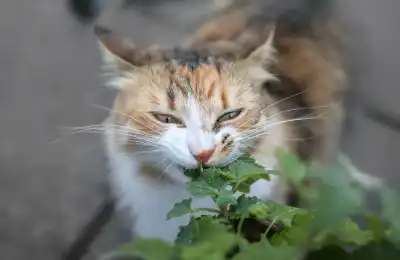
Catnip stimulates parts of the brain linked to pleasure and play. For many cats, it encourages natural behaviours such as hunting, rolling, and rubbing. This is why catnip is often used to enrich their environment and keep them mentally stimulated.
That said, not all cats like catnip. Around 30 to 50 per cent of cats do not respond to catnip at all, and kittens under three to six months old usually do not react either.
Can Kittens Have Catnip?
While catnip is safe, kittens generally do not respond to it until they are older. This is because the receptors needed to react to nepetalactone are not fully developed in young kittens. There’s not much need to give catnip to kittens, as they naturally have plenty of energy and curiosity without it.
Is Catnip Safe for Cats?
Overall, catnip is safe for cats and is not toxic. It can encourage play, reduce boredom, and even help with stress in some cats. However, too much catnip can cause temporary side effects such as stomach upset or overexcitement.
What Are the Negative Effects of Catnip?
While catnip is generally safe, possible issues include:
- Mild digestive upset if too much is eaten
- Temporary hyperactivity or rough play
- Reduced response if given too frequently
These effects are usually short-lived and not serious. If your cat becomes aggressive or anxious after catnip, it may be best to avoid it altogether.
How to Give a Cat Catnip Safely

Learning how to give a cat catnip properly helps you avoid overuse and keeps the experience positive. You can give catnip in several forms, including:
- Dried leaves sprinkled on toys or scratching posts
- Catnip-filled toys
- Fresh catnip plant leaves
- Catnip sprays
Every cat is unique. Some cats love catnip, some react mildly, and others ignore it completely. All of these responses are normal. Understanding how catnip affects cats can help you make informed choices about whether and how to use it with your own pet.
Common Quickfire Questions About Catnip
Is Catnip a Drug to Cats?
Despite the dramatic reactions some cats show, catnip is not addictive and does not create dependency. Cats do not crave catnip in the way people can crave drugs, and they also build in their own natural breaks. After reacting to catnip, most cats become temporarily immune to its effects for around one to two hours.
Can Catnip Get People High?
Catnip does not affect humans in the same way it affects cats. While catnip has been used in herbal teas for relaxation, it does not cause a high or mind-altering effects in people.
How Long Does Catnip Last?
The active reaction to catnip usually lasts between five and fifteen minutes. After that, cats often lose interest and may appear relaxed or sleepy. This short duration is normal and is part of why catnip is considered safe. Cats naturally stop responding once they have had enough.
How Much Catnip is Too Much?
A small pinch of dried catnip or a light spray is usually enough. Giving too much too often may reduce its effectiveness or cause mild digestive upset if eaten in large quantities.
Can Cats Eat Catnip Plants?
Cats can eat catnip plants, and many enjoy nibbling on the leaves. Eating catnip may have a more calming effect compared to sniffing it. However, large quantities could lead to vomiting or diarrhoea, which is why moderation matters.
How Often Can Cats Have Catnip?
Most experts suggest offering catnip once or twice a week rather than daily. This keeps the effect enjoyable and prevents your cat from becoming desensitised to it. Occasional use is usually more effective and healthier.
Does Catnip Work on Dogs?
While catnip does not cause a “high” in dogs, it can have a mild calming effect when ingested. This is very different from its effect on cats and is not a substitute for proper behavioural support.
Why Give Cats Catnip at All?
Catnip for cats can be a useful enrichment tool. It encourages natural behaviours, provides mental stimulation, and can make toys or scratching posts more appealing. For indoor cats, especially, catnip can add variety and interest to their environment.
Do Cats Get Addicted to Catnip?
Cats do not get addicted to catnip. Their built-in break after exposure prevents overuse.
Recommended for you!
Best Sellers






Study Feline Behaviour for £29
We offer a Feline Behaviour and Psychology Diploma Course designed for anyone who wants to better understand cats, their emotions, and their actions. Whether you are a cat owner or simply curious, this course provides fascinating knowledge. Enrol today and access the course for a discounted price of £29!