If you've ever watched your dog twitch, whimper, or run in their sleep, you've probably found yourself wondering what on earth is going on inside that dreaming head of theirs. The good news is that science, and a fair amount of canine research, has brought us much closer to answering that question. This guide explores what dogs dream about, why they move in their sleep, whether they dream of you, and how to tell the difference between a sweet dream and a nightmare.
What's in this Guide?
This post covers whether dogs actually dream, what they're likely dreaming about, what all that twitching and whimpering means, how puppies and senior dogs dream differently, and how to tell a dream from a seizure. We'll also look at whether dogs dream in colour and how to help your dog sleep well.
Jump to:
- Do Dogs Dream?
- What Do Dogs Dream About?
- What Do Dogs Dream About When They Twitch?
- Do Dogs Dream About Their Owners?
- Can Dogs Have Nightmares?
- What Do Puppies Dream About?
- Do Older Dogs Dream Less?
- How to Tell if a Dog is Dreaming or Having a Seizure
- Do Dogs Dream in Colour?
- How to Help Your Dog Sleep Well
- Frequently Asked Questions About Dog Dreams
- Study Dream Analysis for £29
Do Dogs Dream?
Yes, dogs almost certainly dream. The scientific evidence for this is compelling, and it mirrors what we know about dreaming in humans and cats alike. Like humans, dogs experience REM (rapid eye movement) sleep, the stage of sleep during which dreaming occurs. During REM, their brain activity patterns closely resemble those of a waking dog, which strongly suggests that something vivid is happening while they're asleep.
Research by neuroscientist Matthew Wilson at MIT's Picower Institute, published in the journal Neuron, found that rats replay the mazes they run during the day while in REM sleep, with hippocampal firing patterns from waking experience reproduced in real time during sleep. Dogs, as mammals with a similar brain structure, are believed to do the same. The more emotionally significant an experience, the more likely it is to resurface in a dream.
If you've recently explored what cats dream about, you'll find dogs follow very similar patterns during sleep, though their dreams tend to reflect their naturally more social and interactive waking lives.
What Do Dogs Dream About?
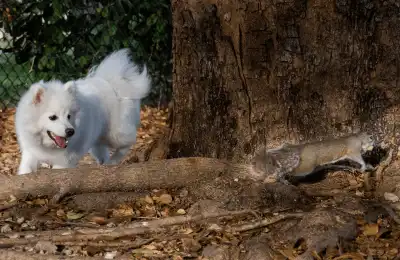
Dogs almost certainly dream about the things that fill their days; the experiences, people, places, and activities that matter most to them. Common dream content for dogs is believed to include:
- Chasing and playing — running after a ball, a toy, or a squirrel in the park.
- Exploring familiar places — sniffing around the garden, the local walking route, or a favourite spot.
- Interacting with their owners — greetings, cuddles, playtime, and the moments that form the core of their bond with you.
- Other dogs and animals — playing or interacting with pets they know, or encounters from walks.
- Eating and receiving treats — not a surprise for any dog owner.
- Training moments — dogs that are actively learning often show more REM activity, suggesting their brains are consolidating new skills during sleep.
The content of a dog's dreams is closely tied to what happened during their waking hours, so a particularly exciting day, a new place visited, or a meeting with a beloved friend is likely to feature prominently in that night's sleep.
What Do Dogs Dream About When They Twitch?
A dog twitching in sleep is one of the clearest outward signs that they’re the REM dreaming stage. The muscle paralysis that usually keeps the body still during sleep is less complete in dogs than in adult humans, which allows more of the dream to "leak" into physical movement.
Here's what different sleep movements tend to suggest:
- Paws paddling or running motions — almost certainly chasing or running in a dream; one of the most common and endearing sights.
- Soft barking, yipping, or whimpering — vocalising to something or someone in the dream, whether a playful exchange or an exciting encounter.
- Tail wagging during sleep — a very positive sign; your dog is dreaming about something that makes them happy.
- Growling — may suggest a tense or protective scenario in the dream, such as guarding territory or encountering a threat.
- Facial twitching and nose sniffing — your dog's powerful sense of smell plays a huge role in their dreaming, just as it does when they're awake.
- Whole-body shuddering — usually normal during REM sleep, but worth noting if it seems extreme or prolonged.
All of these are normal aspects of dog dreaming and are generally nothing to worry about.
Do Dogs Dream About Their Owners?
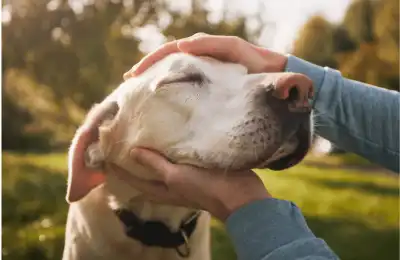
If you've ever wondered whether your dog dreams about you while you sleep beside them, the answer is almost certainly yes.
Dogs are profoundly social animals, and their relationships with their owners are often the most significant bonds in their lives. Given that dogs follow their owners everywhere and are attuned to their moods, movements, and routines, it would be extraordinary if their owners didn't feature prominently in their dreams.
Dr Deirdre Barrett, a clinical and evolutionary psychologist at Harvard Medical School, has spoken extensively about animal dreaming, telling People magazine that "since dogs are generally extremely attached to their human owners, it's likely your dog is dreaming of your face, your smell and of pleasing or annoying you." The stronger the bond between a dog and their owner, the more likely that owner is to appear in their dog's dreams.
Can Dogs Have Nightmares?
Yes, dogs can have nightmares. Not every dream is pleasant, and dogs can experience disturbing or distressing dream content just as people do. Signs that a dog might be having a nightmare rather than a good dream include:
- Crying, whining, or yelping in distress rather than the lighter sounds of a pleasant dream
- Sudden, frantic movements that seem panicked rather than playful
- Waking up startled, disoriented, or anxious
- Trembling or seeming unsettled upon waking
Dogs who have experienced separation anxiety, past trauma, or stressful experiences are more likely to have troubled dreams. A rescue dog settling into a new home, for example, may have more frequent nightmares as their nervous system processes new and unfamiliar experiences.
Generally, it's best not to wake your dog from a nightmare, as waking a dog abruptly from REM sleep can be disorienting and may cause them to snap defensively out of confusion. If the distress seems severe, try gently calling their name from a short distance rather than touching them suddenly. Once they're awake and oriented, calm reassurance and gentle comfort can help settle them.
What Do Puppies Dream About?
Puppies dream a great deal, and more intensely than adult dogs. They spend a much larger proportion of their sleep in REM, which is thought to be closely connected to neurological development; all that dreaming helps a young brain process, organise, and consolidate the enormous volume of new experiences, sensations, and learning happening in their waking hours.
A puppy twitching in their sleep is extremely common and entirely normal. You might notice more movement, more vocalisation, and more visible dream activity in a young dog than in an older one, and this is a healthy sign of an active, developing mind. Puppies are likely dreaming about early sensory experiences, interaction with littermates, exploration, and the new world of the home they've just arrived in.
Do Older Dogs Dream Less?
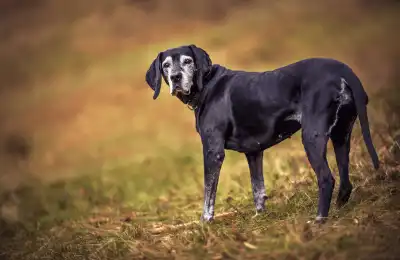
Senior dogs tend to spend less time in REM sleep than puppies and young adults, which means they may dream less frequently. However, dreaming doesn't disappear entirely in older dogs; it simply makes up a smaller portion of their overall (often increased) sleep time. Older dogs tend to sleep more hours in total, so they still accumulate dream time even if each sleep session is less REM-heavy.
Some owners of senior dogs notice that older dogs seem to have more vivid or distressed dream activity, which may be connected to cognitive changes in ageing dogs, sometimes called canine cognitive dysfunction. If your older dog seems persistently unsettled in their sleep, it's worth mentioning to your vet.
How to Tell if a Dog is Dreaming or Having a Seizure
This is an important distinction to understand, as the two can look superficially similar but require very different responses. Dreaming movements tend to be:
- Gentle, rhythmic, and localised (paws, face, tail) rather than the whole body
- Easily interrupted; the dog will usually wake normally if called
- Brief, not repeating in an identical pattern
- Accompanied by normal breathing and a relaxed posture overall
Signs that might suggest a seizure rather than a dream include:
- Violent, rigid, or uncontrolled full-body convulsions
- Loss of bladder or bowel control during the episode
- The dog being unresponsive or deeply confused for an extended period after waking
- Drooling, excessive foaming, or jaw clenching
- The episode occurring while the dog is clearly awake
If you're ever unsure, or if episodes are frequent or intense, consult your vet rather than assuming it's simply dreaming.
Do Dogs Dream in Colour?
Dogs don't see the world in full colour the way humans do; they have dichromatic vision, meaning they see primarily in shades of blue and yellow, with limited ability to distinguish reds and greens. Since dreams are generally understood to mirror the sensory experience of the waking brain, it's likely that dogs dream in the same colour palette they see while awake.
This means your dog's dream world is probably painted in blues, yellows, and greys rather than the full rainbow. However, what dogs may lack in colour range they more than make up for in other senses; a dog's remarkable sense of smell and acute hearing likely play just as large a role in their dream experiences as visual imagery does.
How to Help Your Dog Sleep Well
A well-rested dog is a happier, healthier, and better-behaved one. Here are some simple ways to support your dog's sleep quality:
- Keep a consistent routine — dogs thrive on predictability; regular sleep and wake times help regulate their body clock.
- Create a comfortable sleep space — a quiet, supportive bed in a spot they feel safe in makes a significant difference.
- Ensure adequate exercise during the day — a physically and mentally tired dog sleeps more deeply and dreams more richly; enrichment activities are one of the best investments you can make in your dog's overall wellbeing.
- Manage stress and anxiety — a calm waking life leads to calmer, more restful dreams; stress relief for dogs doesn't have to be complicated, and small changes make a real difference.
- Avoid disrupting REM sleep — try not to wake your dog during the twitchy, active dreaming phase unless you're concerned about their wellbeing.
Recommended for you!
Best Sellers





Frequently Asked Questions About Dog Dreams
What do dogs dream about when they run in their sleep?
A dog running in their sleep is almost certainly dreaming about chasing something or exploring, either an actual squirrel or rabbit from a walk, an imaginary chase, or a replay of play with another dog or a toy. This is one of the most common and joyful-looking dream behaviours in dogs.
Is it normal for dogs to cry in their sleep?
Soft whimpering, yipping, or even brief crying during sleep is normal and usually reflects active dream content rather than genuine distress. If the crying sounds more like yelping or screaming and the dog wakes up looking frightened, that's more likely to indicate a nightmare.
How long are dog dreams?
Dogs don't dream continuously throughout the night; dreaming happens in REM cycles. The length and frequency of those cycles varies by dog size; smaller dogs tend to have more frequent, shorter dream cycles, while larger dogs have fewer but longer ones. A large dog might dream deeply for around 45 minutes, while a small dog might have more regular, shorter dream bursts throughout the night.
Do dogs remember their dreams?
Dogs almost certainly don't reflect on their dreams after waking in the way humans do. However, dreams may still play a functional role in memory consolidation and emotional processing, even without conscious recall. Your dog won't remember the dream, but it may still have contributed to their learning and emotional health.
Should I comfort my dog if they're dreaming?
If your dog seems to be having a pleasant dream, there's no need to intervene. If the dream seems distressing, you can try gently calling their name from a distance to guide them towards waking, but avoid touching them suddenly. Once they're awake and oriented, gentle reassurance is always welcome.
Why does my dog twitch more than my other dog?
Twitching frequency and intensity varies naturally between dogs and is influenced by size, age, personality, and how eventful their day was. Smaller and younger dogs tend to twitch more during sleep. A particularly stimulating day is also likely to produce more active dreaming. As long as the twitching is gentle and your dog wakes normally, there's nothing to be concerned about.
Study Dream Analysis for £29
If your dog's dreaming habits have sparked a wider curiosity about the science and meaning of dreams, the Dream Analysis & Therapy Diploma Course at Centre of Excellence covers everything from REM sleep to dream interpretation and the emotional significance of dream content. You can enrol today for just £29.