Your wedding day is one of the most meaningful moments in your life, filled with love and perhaps a few nerves too. As you plan every detail, from the dress to the décor, you may also hear plenty of superstitious beliefs passed down through generations. Whether you’re a true believer or simply fascinated by the stories behind these customs, understanding where these ideas come from can add a little charm and fun to your big day.
Across the world, couples have followed superstitions about weddings for centuries. Some are thought to bring good luck for your wedding, while others warn of what to avoid. Let’s explore some of the most common wedding good luck traditions (and bad luck), along with the stories that make them so enduring.
Jump to:
- Something Old, Something New, Something Borrowed, Something Blue
- Wedding Day Rain – A Sign of Good Luck?
- Seeing the Bride Before the Ceremony – A Sign of Bad Luck?
- Wearing Red to a Wedding – Good or Bad?
- The Good Luck of Bells and Confetti
- Choosing a Lucky Day to Get Married
- The 30–5 Minute Rule and Other Timing Traditions
- Shoes, Horseshoes, and the Sixpence Tradition
- Burying a Bottle of Bourbon
- Wedding Superstitions in Different Cultures
- Frequently Asked Questions About Wedding Superstitions
- Study Our Wedding Planner Diploma for £29
1. Something Old, Something New, Something Borrowed, Something Blue
This timeless rhyme is perhaps the most famous of all wedding good luck traditions. Each item symbolises a blessing for the bride’s new life:
- Something old represents continuity and family ties.
- Something new stands for hope and a bright future.
- Something borrowed comes from a happily married friend to share their good fortune.
- Something blue symbolises fidelity and love.
Traditionally, brides would also add a sixpence in her shoe for wealth and prosperity, in a nod to the old English custom of the sixpence wedding tradition.
Wondering who gives the bride something blue? It’s often a close friend or family member who wants to wish her luck on her wedding day.
2. Wedding Day Rain – A Sign of Good Luck?
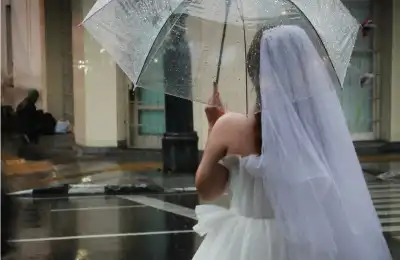
You might have heard that rain on your wedding day means bad luck, but according to wedding day rain good luck superstitions, it’s actually the opposite! Rain represents cleansing, renewal, and fertility. In many cultures, it’s seen as the heavens blessing your union and washing away any past troubles.
So, if you wake up to grey clouds, take comfort; it could be a lucky start to your married life.
3. Seeing the Bride Before the Ceremony – A Sign of Bad Luck?
This is one of the oldest bad luck superstitions. The idea comes from the days of arranged marriages, when couples were kept apart before the wedding to prevent them from changing their minds. Today, it’s more of a sweet tradition that adds excitement and anticipation before the ceremony.
Still, many couples now choose a private “first look” before the wedding begins, proving that superstition or not, love always finds its modern twist.
4. Wearing Red to a Wedding – Good or Bad?
Colour plays a big role in wedding superstitions. You may have heard the phrase “Married in red, you’ll wish yourself dead”, a rhyme once used to warn brides against bright colours. However, this is far from universal. In many Asian cultures, wearing red to a wedding is actually a sign of good luck on your wedding day, symbolising love and prosperity.
The meaning of white and red at weddings depends on where you are in the world. White represents purity in the West, while red brings luck in the East. It’s traditionally bad luck to wear green to weddings; this colour was once linked to mischievous fairies and thought to bring bad fortune. Of course, in today’s world, colour choices are far more flexible, and what matters most is that you feel beautiful and confident.
5. The Good Luck of Bells and Confetti
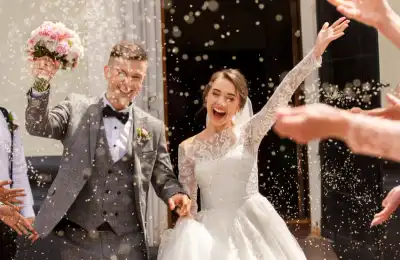
Bells have been rung at weddings for centuries to ward off evil spirits and bring good luck. Similarly, throwing confetti or rice after the ceremony began as a fertility charm – a wish for a long and happy marriage. Modern versions, like flower petals or biodegradable confetti, keep the fun while adding a sustainable twist.
6. Choosing a Lucky Day to Get Married
Throughout history, certain days and months have been believed to bring more good luck for a wedding than others. According to folklore, Wednesday is the best day to marry, while Saturday – the most popular modern choice – was once considered unlucky.
In some traditions, dates with the number eight are lucky (especially in Chinese culture), as the word for “eight” sounds like the word for “wealth” and is seen as a lucky number. Ultimately, the luckiest day is the one that feels right for you and your partner.
7. The 30–5 Minute Rule and Other Timing Traditions
If you’ve heard of the 30–5 minute rule for weddings, it usually refers to how the ceremony should run: guests arrive 30 minutes before, and the bride makes her entrance about five minutes after the scheduled start. It’s not so much a superstition as a planning guide to keep everything running smoothly – though some say being “fashionably late” is good luck too!
Other timing-related ideas include the 80/20 rule for a wedding, which encourages couples to focus 80% on what truly matters (the marriage itself) and 20% on the details. These rules may not be ancient superstitions, but they definitely help to reduce stress.
8. Shoes, Horseshoes, and the Sixpence Tradition
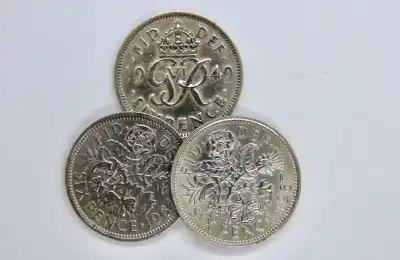
We’ve already mentioned the sixpence in her shoe for prosperity, but shoes have held symbolic meaning in weddings for centuries. In Victorian times, a horseshoe was seen as a lucky symbol, often given to the bride as a charm for good luck on the wedding day. The horseshoe should be carried open-end up (like a U) to catch luck rather than let it spill out.
In some places, people even used to throw shoes after the couple as they left. This was an early form of confetti meant to bring good fortune their way!
9. Burying a Bottle of Bourbon
This curious superstition comes from South America, where couples bury a full bottle of bourbon upside down at their ceremony site exactly one month before the wedding. On the big day, they dig it up and share it with guests. The ritual is meant to ensure good luck on your wedding day and keep the rain away.
It’s a fun mix of practicality and folklore, and a good excuse for a celebratory drink!
Wedding Superstitions in Different Cultures
Many cultures have unique wedding superstitious beliefs that blend ancient traditions with modern celebrations. Here are a few examples from around the world:
- Philippines: Couples are careful not to drop the wedding rings or candles during the ceremony, as this is said to bring bad luck. Some families also believe the bride shouldn’t try on her dress before the wedding day, or it might jinx the marriage.
- Greece: Guests may break bread over the couple’s heads to symbolise prosperity, abundance, and unity in their new life together.
- India: Brides often wear red or gold, colours considered highly auspicious and symbols of fertility and prosperity.
- Ireland: Horseshoes are a popular charm for good luck for a wedding, often carried by the bride or displayed during the ceremony to invite blessings.
- Spain: Spanish brides traditionally wear black lace veils, called mantillas, symbolising the seriousness of lifelong commitment. In some regions, brides receive thirteen gold coins from the groom, representing trust and shared wealth.
- China: The colour red dominates Chinese weddings, symbolising luck and success. Firecrackers are also set off to ward away evil spirits and bring good luck on the wedding day.
- Italy: In Italy, it’s considered lucky for the bride to rip a small piece of her veil after the ceremony to ensure happiness and longevity. Guests might also throw sugared almonds, known as confetti, to represent the sweet and bitter moments of marriage.
- Sweden: Coins are placed in each shoe – one from the mother and one from the father – to represent balance and security.
Frequently Asked Questions About Wedding Superstitions

What are some superstitions for good luck at weddings?
Common superstitions for good luck include not seeing the bride before the ceremony, carrying a horseshoe, and hearing church bells after the vows. Throwing rice, petals, or confetti is also said to bring fertility and abundance.
What’s the most common wedding nightmare?
Many brides and grooms dream about being late, losing the rings, or forgetting their vows. These wedding dreams don’t predict bad luck; they’re simply a reflection of pre-wedding nerves.
What four things should a bride wear for good luck?
Traditionally, a bride should wear something old, something new, something borrowed, and something blue, plus a sixpence in her shoe for extra fortune and wealth.
Which colour is lucky for a bride?
The answer depends on culture. In Western weddings, white symbolises purity and new beginnings. In contrast, red is considered lucky in countries such as India and China, where it represents happiness, love, and prosperity.
Is it bad luck to watch your bride walk down the aisle?
Old superstitions warned grooms not to watch their brides walking down the aisle until she reached them, but modern couples often ignore this. Sharing that moment can be deeply emotional and meaningful, not unlucky.
What is the luckiest day to be married?
According to folklore, Wednesday is the luckiest day to be married, while Saturday—the most popular choice today—was once thought to be unlucky. In some cultures, dates with the number eight are lucky because they’re associated with wealth and harmony.
Study Our Wedding Planner Diploma for £29
If you’ve loved exploring these timeless traditions and dream of creating beautiful celebrations for others, why not turn your passion into a career? The Wedding Planner Business Diploma Course with Centre of Excellence offers everything you need to learn how to confidently plan weddings. Right now, you can enrol for a discounted price of just £29!