Symbols often communicate ideas that are difficult to explain with words alone. They provide a visual way of expressing connection, growth, protection, and transformation. By understanding the background and spiritual meaning of symbols, you gain insight into both historical traditions and modern spiritual practice.
What’s in This Guide?
This guide introduces twelve widely recognised spiritual symbols from different cultures and belief systems. You’ll learn what each symbol looks like, where it originates, the core ideas it represents, and how they continue to influence modern spiritual practice and personal reflection today.
Jump to:
What Are Spiritual Symbols?
Spiritual symbols are visual representations of ideas connected to faith, inner growth, higher consciousness, or the soul. Their meaning often develops over centuries, shaped by culture, religion, and shared human experience. Some symbols have specific meanings within a particular religion, while others carry more universal themes such as balance, unity, renewal, protection, and transformation.
In simple terms, spiritual symbols act as reminders of the values and beliefs that shape how people understand the world. They appear in religions, philosophical traditions, meditation practices, and personal spiritual journeys. By expressing complex ideas through simple imagery, they make abstract concepts easier to reflect on and connect with.
1. The Om (Aum)
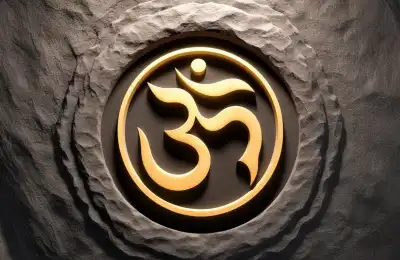
The Om symbol, sometimes written as Aum, is a sacred symbol from Hinduism that is also used in Buddhism and Jainism. Visually, it’s made up of curved lines, a semicircle, and a dot positioned above the main shape. The larger lower curve represents the waking state of consciousness. The upper curve symbolises deep sleep. The curve extending outward represents the dream state. The dot above represents pure awareness or enlightenment, while the semicircle beneath the dot symbolises illusion.
As one of the most powerful spiritual symbols, Om represents the universe's original sound. It’s often chanted during meditation because it’s believed to reflect the vibration from which all creation emerged. In terms of spiritual symbolism, Om represents unity, wholeness, and connection to the divine.
2. The Lotus Flower
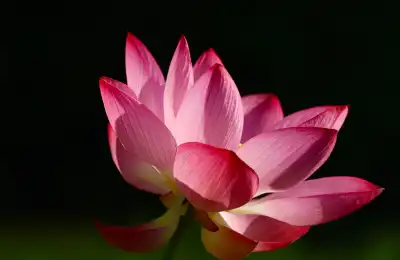
The lotus flower is a water plant that grows in muddy ponds and lakes. Its roots are buried in dark sediment, yet it rises through the water and blooms into a symmetrical flower with layered petals resting above the surface. The petals are usually shown in white, pink, or blue in artistic depictions.
In Eastern traditions, especially Buddhism and Hinduism, the lotus symbolises purity, spiritual awakening, and personal growth. The muddy water represents life’s challenges, while the flower represents rising above hardship.
3. The Tree of Life
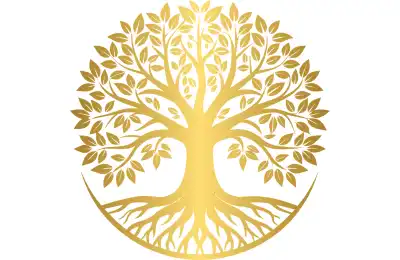
The Tree of Life is depicted as a large tree with wide branches and deep roots. The roots extend into the earth, the trunk stands upright, and the branches spread outward and upward. In many artistic representations, the branches and roots mirror one another, creating a sense of balance.
This symbol appears in Celtic traditions, Norse mythology, ancient Egyptian art, and various religious texts, representing the connection between heaven, earth, and humanity. The Tree of Life symbolises growth, wisdom, strength, and the interconnectedness of all living things. It’s a common symbol in spirituality because it reflects continuity and the cycle of life.
4. The Yin and Yang
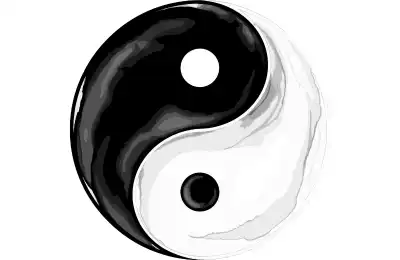
The Yin and Yang symbol consists of a circle divided into two swirling halves, one black and one white. Each half contains a small dot of the opposite colour. The curved line dividing them shows movement rather than separation.
Originating from Chinese philosophy, Yin represents qualities such as darkness, rest, and receptivity, while Yang represents light, activity, and expansion. The symbol demonstrates that opposing forces are interconnected and dependent on one another. Within spiritual contexts, Yin and Yang express balance and harmony, remaining one of the clearest examples of equilibrium.
5. The Cross
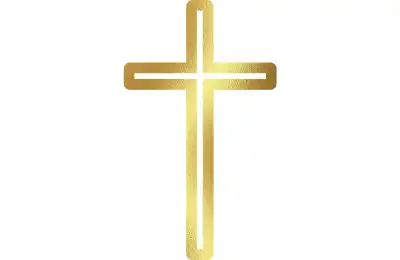
The cross is a simple shape formed by one vertical and one horizontal line intersecting at the centre. In Christianity, it represents the crucifixion of Jesus Christ and symbolises faith, sacrifice, forgiveness, and redemption.
Beyond Christianity, cross shapes have appeared in ancient cultures as representations of the four cardinal directions or the meeting point between heaven and earth. As one of the most recognisable spiritual icons, the cross carries deep religious meaning. Its spiritual meaning centres on hope, devotion, and spiritual endurance.
6. The Hamsa Hand
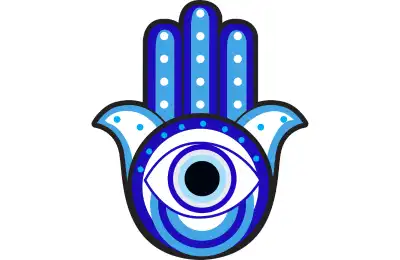
The Hamsa Hand is shaped like an open palm with five fingers spread evenly on both sides. It often includes an eye in the centre of the palm and decorative patterns around the fingers.
This symbol originates from the Middle East and North Africa and is found in Islamic, Jewish, and regional cultural traditions, associated with protection from negative energy and harmful intentions. In spiritual symbolism, the open hand represents blessing, strength, and guidance. Many people wear it as jewellery, a protective symbol of spirituality and reassurance.
7. The Mandala
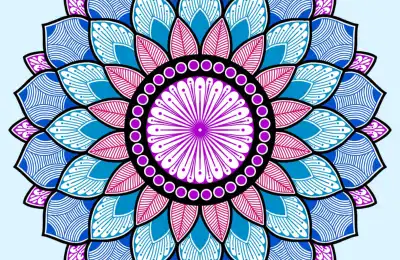
A mandala is a circular geometric design built from repeating patterns and symmetrical shapes radiating from a central point. Traditional mandalas are detailed and carefully structured, often including squares, triangles, and floral motifs within the circle.
In Hindu and Buddhist traditions, mandalas represent the universe and the idea of wholeness. They’re used in meditation to support focus and contemplation, and as mindfulness symbols to encourage calm awareness and reflection. They express unity and the connection between the inner self and the wider world.
8. The Ankh
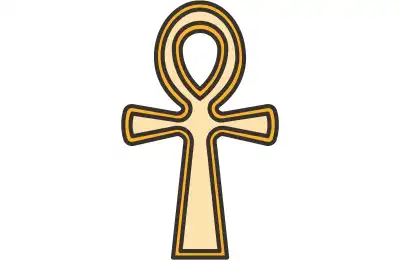
The Ankh is an ancient Egyptian symbol shaped like a cross with a loop at the top. The vertical line extends downward, the horizontal line crosses the centre, and the loop forms an oval above. It symbolises life and immortality.
Egyptian deities are often shown holding the Ankh as a sign of divine authority and eternal existence. Among spirituality symbols, the Ankh represents the continuation of the soul beyond physical death. Its spiritual meaning reflects everlasting life and spiritual power.
9. The Spiral
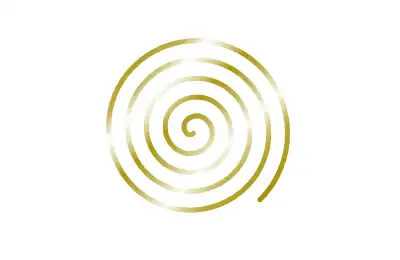
The spiral is a curved line that winds around a central point and gradually moves outward. It appears frequently in ancient rock carvings, Celtic art, and natural forms such as shells and galaxies.
In spirit symbolism, the spiral represents growth, evolution, and life cycles, reflecting the idea that development happens gradually and in stages. As one of the simpler yet powerful spiritual symbols, it reminds you that progress often involves revisiting lessons at deeper levels of understanding.
10. The Feather
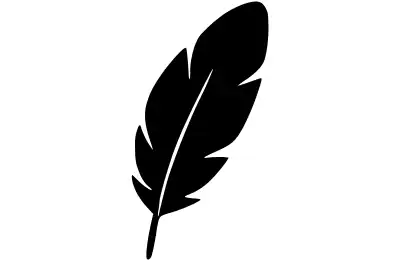
A feather is typically shown as a light, gently curved shape with a firm central shaft and fine strands extending outward on both sides. Its delicate structure gives it a sense of softness and movement, which is why it is often associated with air, freedom, and elevation. In many Indigenous cultures, feathers are regarded as sacred objects connected to honour, courage, wisdom, and spiritual communication.
In broader spiritual symbolism, the feather represents a connection between the physical and spiritual realms. Because birds move between earth and sky, feathers are seen as symbols of higher perspective and spiritual awareness. They can reflect freedom of thought, lightness of spirit, and trust in guidance. They are often interpreted as reminders to stay open to insight and to move through life with grace rather than heaviness.
11. The Third Eye
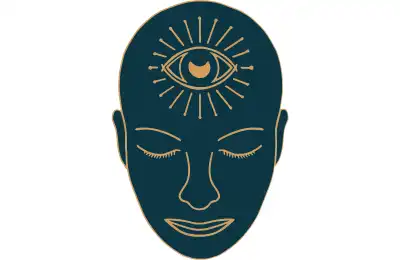
The Third Eye symbol is usually depicted as a single eye placed in the centre of the forehead, slightly above the space between the eyebrows. In artistic representations, it may appear open and alert, sometimes surrounded by light or radiating lines to suggest awareness. This placement reflects its symbolic connection to perception beyond ordinary sight.
In Hindu philosophy, the Third Eye is associated with the Ajna chakra, which is linked to intuition, insight, and inner clarity. It represents the ability to see beyond surface appearances and recognise deeper truths. In spiritual practice, opening the Third Eye symbolises heightened awareness and expanded consciousness.
12. The Infinity Symbol
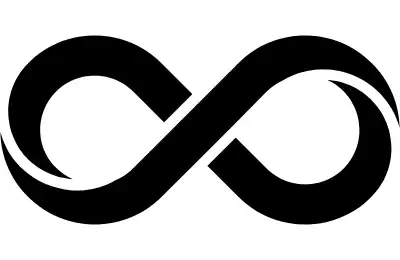
The infinity symbol resembles a sideways figure eight, formed by a single continuous line looping evenly on both sides. It has no starting point, and no endpoint, and its simplicity makes it one of the most recognisable yet quietly powerful spiritual symbols in modern life.
In spiritual symbolism, the infinity symbol represents eternity, limitless possibility, and the enduring nature of the soul. It reflects the idea that spiritual existence is not confined to physical time. Many people connect it with themes of continuity, unity, and the ongoing cycle of life and energy.
Recommended for you!
Best Sellers
Frequently Asked Questions
Are spiritual symbols the same in every culture?
Spiritual symbols can look similar across cultures, but their meanings are not always identical. For example, a tree may represent life and growth in many traditions, yet the stories and beliefs connected to it can differ significantly. The context in which a symbol appears, including religion, geography, and history, shapes its interpretation.
Can spiritual symbols have more than one meaning?
Many spiritual symbols carry layered meanings. A single image can represent personal growth, divine connection, and protection simultaneously, depending on how it is used. Over centuries, new interpretations often develop alongside traditional ones, and this layered quality is part of what makes spiritual symbolism so enduring.
Do spiritual symbols have to be linked to religion?
Spiritual symbols are often rooted in religious traditions, but they’re not limited to organised religion. Many people use them in meditation, mindfulness practices, or personal reflection without following a specific faith. In these contexts, symbols act as visual anchors that represent intention, awareness, or inner values.
Why do people feel emotionally connected to certain symbols?
Symbols often represent universal human experiences such as hope, renewal, balance, and protection. Because these themes are widely shared, certain images resonate deeply on a personal level. Visual forms can also affect the mind in subtle ways. Circles may suggest unity and completeness, while upward shapes may suggest growth or aspiration.
How are spiritual symbols used in daily life?
Spiritual symbols appear in jewellery, artwork, architecture, meditation spaces, and even clothing. Some people keep them in their homes as reminders of their beliefs and intentions, while others incorporate them into mindfulness practices to support focus and reflection.
Study Our Religious Studies Diploma for £29
If you’d like to expand your understanding of religious traditions, sacred texts, and global belief systems, you can continue your learning with the Religious Studies Diploma Course. You can enrol today for a discounted price of £29.
If you would also like to join our learning community, unlock exclusive discounts, and receive expert tips, you can sign up for our mailing list.