There’s something undeniably intriguing about skull symbolism. Whether you’ve seen them in artwork, literature, tattoos, spiritual practices, or cultural celebrations, skulls have a way of capturing attention. In many traditions, they’re powerful emblems of transformation and connection to the spiritual world.
This guide explores what skulls represent across cultures and creative fields, giving you an understanding of how this symbol has been used throughout history.
Jump to:
- The Timeless Appeal of Skull Symbolism
- What Does a Skull Symbolise Spiritually?
- Do Skulls Represent Evil?
- What Do Skulls Represent Emotionally?
- Skull Symbolism in Different Cultures
- Skull Symbolism in Witchcraft and Spiritual Practices
- Are Skulls a Good Omen?
- Another Meaning for Skull: Strength and Survival
- Common Questions About Skull Symbolism
- Study Spirit Animals and Totems for £29
The Timeless Appeal of Skull Symbolism
The symbolic meaning of a skull has fascinated people for thousands of years. The image is instantly recognisable, carrying layers of history and spiritual depth, though human skull symbolism is often misunderstood.
Skulls represent the one thing every human shares: the inevitability of change. For some, they are symbols of mortality, while for others they are reminders of the resilience and beauty found in life’s impermanence. This balance between life and death gives skull symbolism a uniquely emotional pull.
What Does a Skull Symbolise Spiritually?
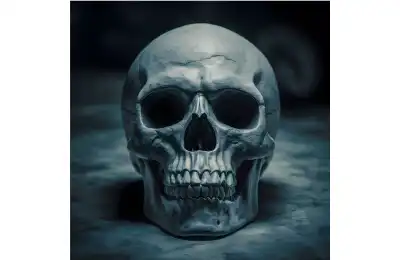
Spiritually, the symbolism of a skull revolves around transformation, with many traditions believing that skulls represent a shift from one state of being to another. Instead of seeing them as symbols of fear, you might experience them as signs of renewal or even protection. A skull’s meaning can include:
- Letting go of the old so you can invite new energy into your life.
- Facing fears and emerging stronger.
- Recognising your inner power.
- Connecting with ancestors and spiritual guides.
In some belief systems, skull symbol imagery encourages you to break old patterns. In this sense, a skull can be a symbol of life and death – not just physical life, but the cycles of personal growth you move through.
Do Skulls Represent Evil?
Many people assume skulls represent evil, but this idea is largely modern. Historically and culturally, skulls rarely symbolise anything sinister.
In most traditions, the symbolic meaning of a skull is linked with guidance, spiritual protection, transformation, and reflection. Any darker interpretation tends to come from cultural misconceptions rather than genuine spiritual or historical meaning.
What Do Skulls Represent Emotionally?
Emotionally, skulls often evoke curiosity, reflection, and sometimes acceptance. They appear when people are thinking deeply about life’s bigger questions. But they can also symbolise resilience and courage.
Many spiritual practitioners believe that they symbolise truth. They strip away surface appearances and reveal what lies beneath, making them emblems of authenticity and self-awareness.
Skull Symbolism in Different Cultures
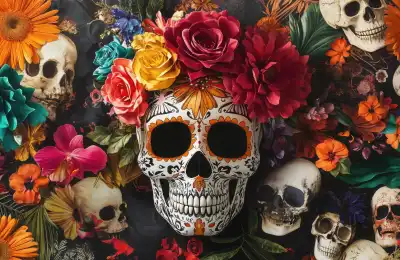
Throughout history, cultures across the world have given skulls their own distinctive meanings:
- Ancient Greece: Skulls symbolised the cycle of life and death, reminding people of mortality while also representing the possibility of spiritual rebirth.
- Ancient Rome: Skulls were used in artwork and mosaics to express the fleeting nature of life, urging people to enjoy the present moment.
- Celtic Traditions: Skulls were believed to hold the soul or spirit, acting as powerful symbols of protection, wisdom, and ancestral guidance.
- Mexican Culture: In celebrations like Día de los Muertos, skulls (especially sugar skulls) represent the everlasting connection between the living and the dead.
- Buddhism: Skulls symbolise the cycle of rebirth and the letting go of attachment. They’re often used in ritual art to encourage spiritual clarity and the transcendence of ego.
- Tibetan Buddhism: Skull imagery is used in ritual items like malas and kapalas, expressing the acceptance of change and the journey toward higher consciousness.
- Christian Symbolism: Skulls appeared in religious art as reminders of mortality, repentance, and the hope of spiritual resurrection.
- Hindu Traditions: Skulls associated with certain deities symbolise the destruction of illusion and the ongoing cycle of creation and dissolution.
- West African Spirituality: Skulls can represent ancestral presence and the continuing wisdom of those who came before.
- Native American Cultures: Skulls symbolise life cycles, continuity, and respect for animals whose spirits offer guidance and a deeper connection to nature.
Skull Symbolism in Witchcraft and Spiritual Practices
For many spiritual practitioners, skulls are powerful tools of intuition and inner sight. They can represent:
- Communication with ancestors.
- Protection from negative energies.
- Deepened psychic awareness.
A skull can also act as a symbol of wisdom and personal empowerment, reminding practitioners to trust their inner knowledge.
Are Skulls a Good Omen?
It depends on the context and the culture, but in many traditions, skulls are considered positive symbols. Some people believe they ward off danger, offer spiritual protection, and prompt important life changes. Rather than being considered symbols of evil, skulls can encourage grounding and transformation.
Another Meaning for Skull: Strength and Survival
If you’re looking for another meaning for skull beyond mortality or symbolism, consider what skulls actually do. They protect the brain, the most delicate and essential part of the human body. This alone gives skull imagery a powerful connection to resilience, strength, and safeguarding your inner self.
Common Questions About Skull Symbolism
What Does a Skull Indicate in Spiritual Iconography?
In iconography, a skull can indicate inner change, a lesson waiting to be learned, or the beginning of a new phase of life. In spiritual contexts, skull symbols often relate to renewal and rebirth rather than an ending.
What Does a Skull Symbolise in Art?
Skulls have appeared in art for centuries, and their meaning depends on the mood or message the artist wants to convey. Many people find that skulls symbolise the passing of time, personal transformation, emotional vulnerability, and the balance between beauty and decay. Skull art can evoke everything from sadness to empowerment, which is why it remains such a powerful artistic motif.
What Does the Skull Symbolise in Literature?
In literature, skulls often represent fragility and the thin line between life and death. Writers use skull imagery to explore themes of honesty and the deeper realities that exist beneath outward appearances. A skull can prompt characters and readers to reflect on their choices or identity. The metaphor of a skull is frequently linked with mortality, transformation, and hidden truth, allowing authors to highlight important emotional or philosophical moments within a story.
What is the Meaning Behind Skull Tattoos?
You may also wonder what a skull tattoo means, as this design has become increasingly popular. Many people choose a skull tattoo to mark strength through adversity, or an appreciation of life’s preciousness. For others, it can celebrate personal transformation or survival after a difficult chapter.
What is the Skull and Crossbones Symbolism?
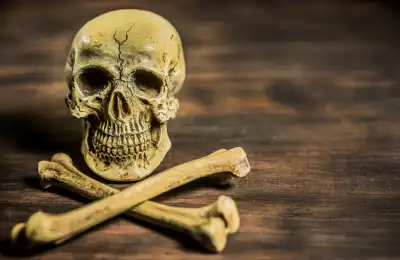
The skull and crossbones is one of the most recognisable symbols in the world. Its history is rooted in warning and protection, as traditionally, it signalled poison, danger, hazardous materials, or piracy. Although the skull crossbones symbol has evolved over time, it still indicates risk, death, or toxicity in modern settings.
What is the Skull Warning?
The skull warning is a widely used safety symbol that appears on toxic substances and dangerous materials. Because it is universally understood, it quickly communicates that something should be handled with care or avoided entirely.
What Can a Skull Tell Us About a Person?
From a scientific or archaeological viewpoint, a skull can reveal a surprising amount about a person, such as age, sex, health, lifestyle, and cultural practices. When used symbolically, it can express what an individual values most deeply, whether that’s inner strength, awareness, or acceptance of life’s natural cycles.
What Does the Skull Mean in Voodoo?
In Voodoo practices, skulls hold deep spiritual significance. They can represent a connection to spirits and receiving guidance from the unseen world. Far from being symbols of fear, skulls in Voodoo often signify a meaningful link between physical life and the spiritual realm.
What Do Skull Symbols Mean Spiritually?
Skull symbols often reflect the ability to face the unknown with courage. They remind you that endings are often beginnings in disguise and that you have more inner strength than you might realise. Over time, many spiritual communities have embraced skulls as protective symbols.
Recommended for you!
Best Sellers
Study Spirit Animals and Totems for £29
If you’re inspired to explore symbols, totems, and deeper connections with the natural world, you may enjoy our Spirit Animals and Totems Diploma Course. You can access the course for a discounted price of £29!