If you've noticed your senior cat meowing more than ever before, you're certainly not alone. Perhaps they’ve begun waking you up at night, or your cat follows you from room to room calling out as though something is terribly wrong. Whatever the pattern looks like, there's usually a reason behind it, and in many cases, once you understand what's going on, there are meaningful things you can do to help.
What’s in This Guide?
This guide explores the most common causes of excessive vocalisation in older cats, what signs to look out for, when to visit the vet, and how you can make life a little more comfortable for both of you.
Jump to:
- Why Do Senior Cats Meow More?
- Why Does My Elderly Cat Keep Meowing?
- Do Cats Meow When They Have Dementia?
- Why Is My Old Cat Meowing a Lot at Night?
- Why Does My Elderly Cat Walk Around the House Crying?
- When to See a Vet
- How to Help a Senior Cat Who Meows Excessively
- Study Feline Behaviour and Psychology for £29
Why Do Senior Cats Meow More?
Cats are naturally vocal creatures, but their communication habits tend to shift as they get older. What you might have experienced as the occasional chirp or quiet meow in your cat's younger years can evolve into something far more frequent, more insistent, and considerably louder. Meowing loudly is one of the most common behavioural changes that owners notice once their cats reach their senior years, which is generally considered to be around ten years of age and beyond.
Cats don't meow at one another in the wild; vocalisation towards humans is largely a learned behaviour, developed over thousands of years of domestication. When your cat meows at you, they’re trying to communicate something. In a younger, healthy cat, that might be "I'm hungry" or "let me outside." In an older cat, the message is often more complex and can point to a range of physical, cognitive, or emotional changes that deserve your attention.
Understanding the cause isn't just about managing the noise. It's about genuinely supporting your cat's wellbeing during a stage of life that can be confusing and uncomfortable for them.
Why Does My Elderly Cat Keep Meowing?
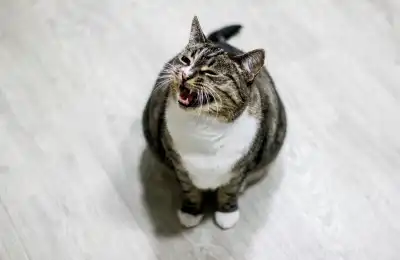
There are several reasons why an elderly cat meows constantly, and many of them are medical. If the behaviour has come on suddenly, is increasing in frequency, or is accompanied by other changes, a visit to the vet is always the right first step.
Pain or physical discomfort
One of the most frequently overlooked reasons behind excessive vocalisation in older cats is pain. Cats are remarkably good at masking discomfort, as it's an instinct rooted in survival, which means that by the time they are vocalising their distress, the discomfort is often quite significant. Conditions such as arthritis, dental disease, urinary tract infections, and digestive issues are all common in older cats and can cause real, ongoing pain.
If your old cat keeps meowing, look out for:
- Reluctance to jump, climb, or use the stairs
- A change in posture, gait, or how they hold their body
- Reduced appetite or loss of interest in food they previously enjoyed
- Excessive grooming focused on one particular area
- Withdrawal from social interaction or a preference for hiding
If you notice any combination of these alongside increased vocalisation, it's important to have your cat assessed by a vet as soon as possible.
Hyperthyroidism
Hyperthyroidism (an overactive thyroid gland) is one of the most common health conditions in senior cats. It causes the body to work in overdrive and can lead to a range of symptoms, including constant meowing, weight loss despite an increased appetite, restlessness, and changes in coat condition.
Many owners initially mistake the hyperactivity associated with hyperthyroidism for a second wind, not realising it points to an underlying issue. The good news is that this condition is very treatable once diagnosed, so a vet check-up is well worth arranging promptly.
High blood pressure
High blood pressure, or hypertension, is another condition that frequently affects older cats, often alongside kidney disease or hyperthyroidism. It can cause confusion, disorientation, and a significant increase in vocalisation. Cats with high blood pressure may also experience sudden changes in their vision, which understandably causes them real distress. If your cat seems startled or confused in addition to meowing more, this is worth raising with your vet.
Sensory decline
As cats age, their hearing and eyesight can deteriorate quite significantly. A cat that can no longer hear or see well may meow more often simply because their world has become harder to navigate and more frightening. They may be trying to locate you, calling out because they feel uncertain of their surroundings, or reacting to sounds and shapes that are distorted by their declining senses. This kind of vocalisation is your cat's way of reaching out for reassurance.
Do Cats Meow When They Have Dementia?
Cats can develop a condition known as Feline Cognitive Dysfunction Syndrome (CDS), which is very similar in nature to dementia in humans. It affects the brain's ability to process information normally and can cause a wide range of behavioural changes, with increased and often distressed vocalisation being one of the most noticeable.
If your cat has CDS, you might notice:
- Confusion or disorientation in familiar surroundings they once navigated easily
- Staring blankly at walls or appearing to fixate on nothing in particular
- A disrupted sleep cycle, with restlessness and vocalisation overnight
- Forgetting the location of the litter tray or other familiar spots
- Reduced interest in grooming, play, or interaction
- General anxiety or agitation without any clear cause
Research suggests that a significant proportion of cats over the age of fifteen show some signs of cognitive decline, though the condition can begin developing earlier than that. It's a gradual process, and many owners initially put the early signs down to general ageing rather than a specific condition. If you're concerned, your vet can carry out an assessment and talk you through the options available to support your cat's quality of life as the condition progresses.
Why Is My Old Cat Meowing a Lot at Night?
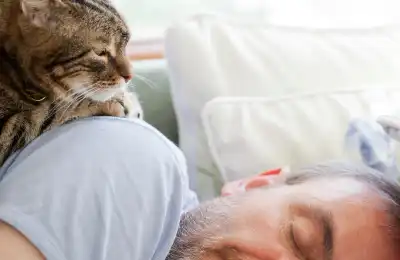
An old cat crying at night is one of the most disruptive experiences for a cat owner. Night-time vocalisation in senior cats is particularly common, and it tends to be linked to cognitive dysfunction, disorientation, or a combination of both.
During the day, your cat has plenty of sensory input to keep them grounded: natural daylight, the familiar sounds of daily life, and the reassuring sight of you moving around the house. At night, when everything is dark and quiet, a cat with declining cognitive function or sensory impairment can become disorientated. They may genuinely not know where they are, or they may be unable to find you, which causes them real distress.
Other possible causes of night-time meowing include:
- Hunger. An old cat constantly meowing for food is more common in senior cats whose metabolism or appetite regulation has changed. A small late-night meal or an automatic feeder set for the early hours can sometimes help.
- Pain. Conditions like arthritis can worsen at night, particularly during cold weather, making cats more restless and vocal.
- Anxiety. Older cats can become more anxious in general, and the stillness of the night can amplify this. A warm, enclosed sleeping space near where you rest may provide some comfort.
- Hyperthyroidism. The restlessness and hyperactivity this condition causes does not always respect normal sleep patterns.
If night-time meowing has become a regular occurrence, it's worth keeping a note of the pattern: when it happens, how long it lasts, and whether anything seems to trigger or soothe it, as this information can be very useful for your vet.
Why Does My Elderly Cat Walk Around the House Crying?
This behaviour is particularly associated with Feline Cognitive Dysfunction Syndrome. When a senior cat wanders and yowls in this repetitive, searching way, it often signals that they are genuinely disorientated and distressed. They may be looking for something: a familiar person, a favourite sleeping spot, or simply a sense of where they are, and struggling to find it.
Why does my elderly cat yowl rather than meow?
Yowling is a deeper, more prolonged vocalisation than a standard meow, and it tends to suggest a higher level of distress or discomfort. Whilst meowing might be your cat asking for attention or food, yowling is more often an expression of confusion, pain, or urgent need.
It can be heartbreaking to watch, but how you respond matters. Approaching your cat calmly, speaking in a quiet and steady voice, and guiding them gently to a comfortable, familiar spot can all help to ground them in the moment. Try to avoid reacting with alarm, as this can heighten their anxiety further.
When to See a Vet
Some increase in vocalisation is a natural part of ageing, but there are circumstances where a vet visit should not be delayed. You should book an appointment if:
- The meowing has started suddenly or is escalating over a short period of time
- Your cat appears confused, disorientated, or distressed
- There are noticeable changes in eating and drinking, or litter tray habits
- You observe unexplained weight loss or gain
- Your cat seems to be in pain or discomfort
- The behaviour is significantly affecting their quality of life, or your own ability to care for them well
A thorough check-up can identify or rule out physical causes and give you a clearer picture of what your cat is experiencing. Vets can also offer guidance on managing conditions like cognitive dysfunction and anxiety, and will help you put a care plan in place that works for both of you.
How to Help a Senior Cat Who Meows Excessively
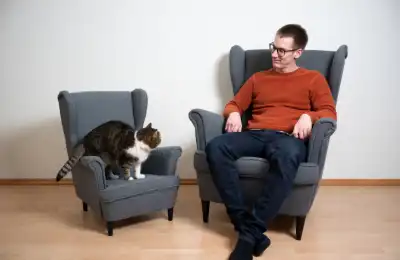
Once you have a clearer sense of why your cat is vocalising more, there are practical steps you can take to improve their comfort and help them feel more secure.
Keep their environment calm and consistent
Senior cats thrive on routine and familiarity. Try to maintain consistent feeding times, keep furniture in familiar positions, and avoid major changes to their environment where possible. Sudden disruptions can increase anxiety and cause vocalisation to worsen.
Make their essentials easy to reach
Ensure that food, water, litter trays, and resting spots are all easily accessible without requiring your cat to climb or stretch excessively. As mobility declines, small adjustments — such as a low-sided litter tray or food bowls raised slightly off the floor — can make a significant difference to how comfortable and confident your cat feels.
Try a night light
If your cat is becoming disorientated after dark, a soft night light left on in key areas of the house can help them navigate more easily and reduce the confusion that leads to nighttime crying.
Offer gentle stimulation
Mild mental and physical engagement can help slow the progression of cognitive decline and improve overall wellbeing. Gentle play sessions, puzzle feeders, and regular calm interaction all contribute positively. Overstimulation can cause stress in older cats, so keep activities short and responsive to your cat's energy levels.
Ask your vet about supplements or medication
There are supplements and medications that can support cognitive function and manage pain in senior cats. These can make a meaningful difference to quality of life and are worth discussing with your vet if you haven't already.
Give more of your time and presence
Sometimes, an old cat meowing a lot simply needs more reassurance from you. As cats age, their need for closeness and comfort can increase, even in cats that were previously quite independent. Spending a little extra time each day sitting with your cat, speaking gently to them, or simply being in the same room can provide a level of security that helps to reduce anxious vocalisation.
Recommended for you!
Best Sellers




Study Feline Behaviour and Psychology for £29
Understanding your cat more deeply, including why they behave the way they do, what they need at each stage of their life, and how to support them through change, is one of the most rewarding things you can do as a cat owner. If this guide has sparked your curiosity and you'd like to explore feline behaviour further, the Feline Behaviour and Psychology Diploma Course at Centre of Excellence offers a fascinating introduction to the subject. Enrol today for just £29!