Lakshmi, also known as Laxmi, is one of the most cherished and widely worshipped deities in Hindu mythology. She is celebrated as the Hindu goddess of wealth, fortune, prosperity, and harmony, but her influence goes far beyond money and possessions.
This article explores her myths, symbols, powers, and importance in Hindu culture, showing why she remains central to worship and storytelling today.
Jump to:
- Who is Lakshmi in Hindu Mythology?
- Lakshmi’s Myths and Avatars
- The Role of Lakshmi in Hindu Storytelling
- Powers of Lakshmi
- Symbols Associated with Lakshmi
- Lakshmi’s Lineage and Connections
- Why Lakshmi is Special
- Worship of Lakshmi in Modern Culture
- Frequently Asked Questions
- Study Our Hindu Mythology Diploma for £29
Recommended for you!
Best Sellers



Who is Lakshmi in Hindu Mythology?
Lakshmi is the consort of Lord Vishnu, the preserver of the universe. Together, Vishnu and Lakshmi embody balance: Vishnu protects and sustains the world, while Lakshmi provides abundance, grace and the prosperity that makes life flourish.
She is described in ancient texts as radiant and graceful, seated upon a lotus and adorned with gold. Her presence is believed to bring not only material prosperity but also happiness, harmony in families, and spiritual well-being. Lakshmi is a reminder that wealth includes both physical riches and inner peace.
Lakshmi’s Myths and Avatars

Lakshmi’s presence in Hindu mythology is told through timeless stories and incarnations, each revealing a different aspect of her grace, power and connection with Vishnu.
The Birth of Lakshmi: Samudra Manthan
According to Hindu mythology, Lakshmi’s origin lies in the famous event of the Samudra Manthan, or the churning of the cosmic ocean. When gods and demons churned the ocean to obtain the nectar of immortality, Lakshmi emerged, seated on a lotus, surrounded by treasures. She chose Vishnu as her divine consort, symbolising the union of order and prosperity.
Lakshmi as Sita in the Ramayana
In the Ramayana, Lakshmi incarnates as Sita, the devoted wife of Rama, who is Vishnu’s avatar in this epic. Sita is revered as the embodiment of purity, devotion, and courage. Her trials and unwavering loyalty to Rama are seen as reflections of Lakshmi’s strength and grace. Through Sita, Lakshmi demonstrates that prosperity is not only about riches but also about inner strength, sacrifice and integrity.
Lakshmi as Rukmini in the Mahabharata
In the Mahabharata, Lakshmi takes birth as Rukmini, the principal wife of Krishna, another avatar of Vishnu. Rukmini is admired for her steadfast love and wisdom, often guiding Krishna’s household with grace. She is regarded as the goddess of marital devotion and harmony, reflecting Lakshmi’s role as the nurturer of family and prosperity within the home.
The Ashta Lakshmi: Eight Forms of Lakshmi
Beyond her avatars, Lakshmi is also worshipped in her eight divine forms, known as the Ashta Lakshmi. Each form represents a different kind of wealth or prosperity:
- Adi Lakshmi: The primal form, symbolising eternal wellbeing.
- Dhana Lakshmi: Goddess of material riches and abundance.
- Dhanya Lakshmi: Provider of agricultural wealth and nourishment.
- Gaja Lakshmi: Symbol of royal power, strength, and authority.
- Santana Lakshmi: Associated with fertility, offspring, and family blessings.
- Veera Lakshmi: Bestower of courage and valour.
- Vijaya Lakshmi: Granter of success and victory in endeavours.
- Vidya Lakshmi: Goddess of knowledge, wisdom, and education.
The Role of Lakshmi in Hindu Storytelling
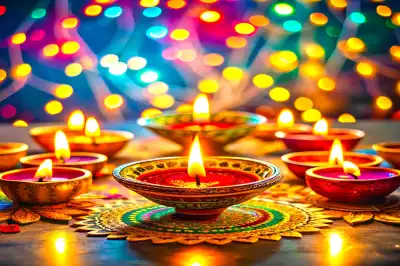
Hindu stories highlight Lakshmi as a source of fortune that thrives only where there is kindness, cleanliness, and devotion. During festivals like Diwali, families light lamps and tidy every corner, believing the goddess will bless them with prosperity if she feels honoured and respected. In places filled with greed, anger and selfishness, it is said that Lakshmi does not remain.
Her role in storytelling is to remind people that true prosperity combines success, wisdom, health, and compassion. She represents the ideal of living well, not just possessing wealth, and using blessings to support others.
Powers of Lakshmi
Lakshmi is believed to possess powers that grant prosperity and happiness. She blesses her devotees with material wealth, spiritual wisdom, and family well-being. Her influence extends across many aspects of life, from courage and knowledge to fertility and peace. Her powers are as much about spiritual growth as they are about material gain.
Symbols Associated with Lakshmi
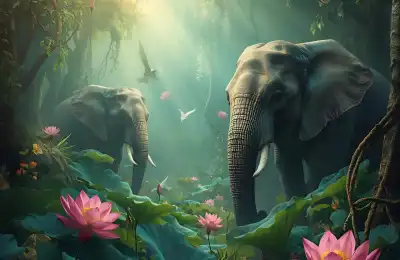
Lakshmi’s imagery is filled with symbols that carry deep meaning:
- Lotus Flower: The lotus, rising unstained from muddy waters, symbolises purity, resilience, and spiritual awakening. It represents the ability to live in the world while remaining spiritually grounded.
- Coins Flowing from Her Hands: Gold coins are a symbol of generosity and abundance, showing her as the giver of prosperity.
- Elephants: Often shown beside her, elephants represent strength, wisdom, and royal power. They also symbolise rainfall, essential for agricultural wealth.
- Clothing and Ornaments: Lakshmi is frequently depicted wearing red or pink garments, representing love, compassion, and energy. Her golden jewellery highlights prosperity and divine radiance.
Lakshmi’s Lineage and Connections
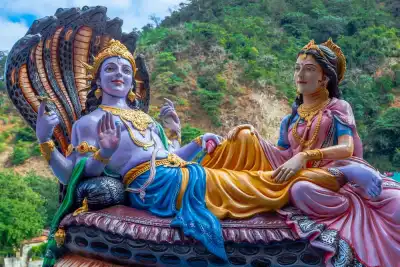
Lakshmi is unique in that she is not described as having a traditional mother or father. Instead, she is said to have appeared fully formed from the churning of the ocean. This emphasises her eternal nature as a divine force of abundance.
Her strongest connection is with Vishnu. Their union is seen as eternal, with Lakshmi accompanying Vishnu in all of his incarnations. Some traditions view Lakshmi and Durga as different forms of the same divine feminine energy, with Lakshmi representing prosperity and Durga embodying protection and power.
Why Lakshmi is Special
Lakshmi is special because she symbolises wealth in its fullest sense. She represents the complete ideal of abundance, making her one of the most beloved and widely worshipped deities. Her importance lies in her ability to balance material success with spiritual well-being. She encourages people to live generously, to share their blessings, and to find harmony in both household and community life.
Worship of Lakshmi in Modern Culture
Lakshmi is worshipped in countless Hindu households and temples, and her presence is especially celebrated during Diwali, the festival of lights. Devotees light lamps, decorate their homes, and offer prayers, sweets, and flowers to invite her blessings. Fridays are also considered particularly auspicious for her worship.
Devotion to Lakshmi is often expressed not only through rituals but also through the way people live. Cleanliness, gratitude, and kindness are seen as acts of worship in themselves. By embodying these values, people honour Lakshmi in their daily lives.
Recommended for you!
Best SellersFrequently Asked Questions
Why is Lakshmi often shown with four arms?
Lakshmi is usually depicted with four arms, each representing a goal of human life in Hinduism: dharma (righteousness), artha (wealth), kama (desire), and moksha (spiritual liberation). Together, they show that her blessings cover every aspect of life.
Why do people light lamps for Lakshmi?
Lighting lamps, especially during Diwali, is a way to honour Lakshmi and invite her blessings. The light symbolises knowledge and purity, guiding the goddess into homes that are clean and welcoming.
Why is Friday special for Lakshmi worship?
Friday is traditionally considered an auspicious day for worshipping female deities, including Lakshmi. Many devotees offer prayers or perform small rituals on this day to seek her blessings for prosperity and peace.
How do people worship Lakshmi around the world?
Lakshmi is worshipped across the world by Hindu communities. In places such as Nepal, Bali, and among the Indian diaspora, rituals during Diwali and other festivals highlight her global importance as the goddess of fortune and prosperity.
Study Our Hindu Mythology Diploma for £29
If you are inspired to explore her world further, along with other deities like Vishnu and Durga, consider the Hindu Mythology Diploma Course with Centre of Excellence. This detailed course is available now for a special price of just £29, offering you a deeper understanding of the timeless stories and spiritual lessons of Hinduism.