Japanese Shintoism is woven into the landscape, history, and everyday life of Japan. You see it in the red torii gates that mark sacred ground, in seasonal festivals filled with music and colour, and in quiet moments of prayer at local shrines.
If you’re exploring Japanese culture, planning to visit Japan, or simply interested in world religions, understanding Shintoism gives you valuable insight into how spiritual tradition and daily life connect in this unique setting.
What’s in This Guide?
This guide explores the meaning, origin, and historical development of Shintoism. It explains the major Shinto deity figures found in mythology, outlines the five main beliefs of Shintoism, and describes key rituals and worship practices.
Jump to:
- Shintoism’s Definition and Meaning
- Shintoism’s Origin
- Understanding Kami: The Spiritual Beings at the Heart of Shintoism
- Shintoism’s Deity and the Major Gods in Mythology
- The Five Main Beliefs of Shintoism
- Rituals of Shintoism: How to Worship Shinto
- Frequently Asked Questions
- Study Our Introduction to Japanese History & Culture Diploma for £29
Shintoism’s Definition and Meaning
The word “Shinto” is made up of two characters. One means “god” or “spirit”, and the other means “way” or “path”. Together, they form the meaning “the way of the gods”. In simple terms, Shintoism is Japan’s indigenous religion, focused on honouring spiritual beings known as kami.
Shintoism describes a way of life that respects nature, ancestors, and the spiritual presence believed to exist in the world around you. Rather than focusing on a single sacred text or a fixed set of commandments, Shintoism is expressed through rituals, traditions, and everyday practices.
Shintoism’s Origin
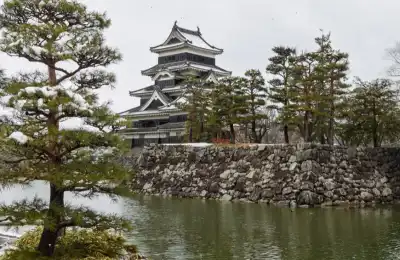
Shintoism's origin can be traced back thousands of years to early agricultural communities in Japan. Long before written records, people developed practices that honoured the spirits of mountains, rivers, forests, and ancestors. These early beliefs gradually formed the foundation of the indigenous Japanese religion.
The tradition developed naturally through collective cultural experience. Over time, myths were recorded in texts such as the Kojiki and Nihon Shoki in the 8th century. These works preserved creation stories and accounts of important kami.
Shintoism later coexisted with Buddhism, which entered Japan in the 6th century. The two traditions blended in many ways, and even today, many Japanese people participate in both Buddhist and Shinto ceremonies. This blending reflects the flexible nature of Shintoism and its deep roots in Japanese identity.
Understanding Kami: The Spiritual Beings at the Heart of Shintoism
To understand Shintoism, you first need to understand the idea of kami. This is the most important concept in the religion. The word kami is often translated as “god” or “spirit”, but those English words don’t fully capture its meaning. A kami is a sacred presence or spiritual force. It's not always a god in the Western sense of an all-powerful being who controls everything; instead, a kami can be anything that inspires awe, respect, or a sense of wonder.
In Shinto belief, spiritual presence exists throughout the natural world. A mountain can be a kami. A river, a forest, or even a large, ancient tree can be a kami. These natural features are respected because they are believed to hold spiritual energy. Some kami are linked to natural forces such as the sun, wind, and storms. Others are connected to ancestors or important historical figures who are honoured after death.
The beliefs of Shintoism encourage you to live in harmony with these forces. Showing care for nature, respecting your community, and acting sincerely are all ways of honouring the kami.
Shintoism’s Deity and the Major Gods in Mythology

Shinto mythology tells the story of creation and the formation of Japan. The major Shintoism deity figures play symbolic roles that explain natural events and cultural values. These stories shape how people understand the spiritual significance of the land.
Amaterasu: The Sun Goddess
Amaterasu is one of the most important kami in Shintoism. She’s the goddess of the sun and represents light, order, and life. According to mythology, she was born from the left eye of the creator god Izanagi during a purification ritual.
Amaterasu’s story includes a well-known episode in which she hides inside a cave after a conflict with her brother, Susanoo. Her absence plunges the world into darkness until the other kami eventually lure her out through music and celebration, restoring light to the world. This myth symbolises renewal and the importance of community cooperation.
Susanoo: The Storm God
Susanoo is the god associated with storms and the sea, known for his impulsive and disruptive behaviour. His conflicts with Amaterasu represent tension between order and chaos.
One famous story describes Susanoo defeating a multi-headed serpent known as Yamata no Orochi. By slaying the creature, he rescues a young woman and discovers a sacred sword within the serpent’s body. This sword later became part of the Imperial Regalia of Japan. Susanoo’s myths illustrate both destructive and protective qualities within nature.
Tsukuyomi: The Moon God
Tsukuyomi, born from Izanagi’s right eye, is the moon deity. Compared to Amaterasu and Susanoo, Tsukuyomi appears less frequently in mythological narratives. However, he represents balance between light and darkness and reflects the natural cycle of day and night.
Izanagi and Izanami: The Creators
Izanagi and Izanami are central to the Shinto creation story. They’re tasked with forming the islands of Japan by stirring the ocean with a jewelled spear. From the drops that fall from the spear, the first island emerges.
Their story also explains the origins of life and death. After Izanami dies, Izanagi attempts to retrieve her from the underworld. His experience there introduces the concept of impurity and the need for purification, which remains central to the rituals of Shintoism.
The Five Main Beliefs of Shintoism
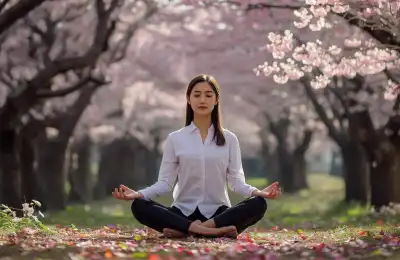
Although Shintoism doesn’t present doctrine in a rigid format, its guiding ideas can be understood through five main beliefs.
1. Reverence for Kami
The first belief centres on respect for kami. Spiritual presence is found in natural elements and ancestral spirits. This encourages an attitude of gratitude and awareness towards the environment.
2. Purity and Cleansing
Purity holds deep importance in Shintoism. Physical cleanliness symbolises spiritual clarity. Ritual washing before entering a shrine reflects the removal of impurity and the restoration of balance.
3. Harmony with Nature
Shintoism teaches that humans are part of nature, with seasonal festivals and agricultural rituals reinforcing this connection. Respect for natural cycles reflects respect for spiritual order.
4. Respect for Ancestors and Community
Family lineage and community ties are valued. Ancestors may be honoured as protective spirits, while shared rituals strengthen social bonds and preserve tradition.
5. Sincerity of Heart
Sincerity, often expressed through the concept of makoto, is a guiding moral principle. Acting honestly and respectfully maintains harmony within society and with the spiritual world. This idea functions similarly to the golden rule of the Shinto religion, emphasising integrity and goodwill.
Rituals of Shintoism: How to Worship Shinto
The rituals of Shintoism are practical and symbolic. They allow you to express reverence for kami and restore spiritual balance.
Shrine Visits
Shrines serve as sacred spaces dedicated to particular kami. The torii gate, recognised as a symbol of Shintoism, marks the boundary between ordinary and sacred space. Passing through it signifies entering a spiritual environment.
Purification (Temizu and Misogi)
Before approaching the main shrine building, visitors cleanse their hands and mouth at a water basin in a ritual known as temizu. A more formal purification ritual called misogi involves washing the body in natural water such as a river or waterfall. These acts reflect the importance of purity within Shintoism.
Prayer and Offerings
Prayer at a shrine follows a respectful pattern. Visitors bow, clap to draw the attention of the kami, offer silent prayer, and bow again. Offerings may include coins, rice, sake, and symbolic items. Sake demonstrates that Shintoism allows alcohol, especially within ceremonial contexts.
Festivals (Matsuri)
Matsuri are community festivals held to honour local kami, often including music, dancing, and processions. These events reinforce social unity and celebrate the presence of spiritual forces in daily life.
Life-Cycle Ceremonies
Shinto rituals mark important life stages, including births and weddings. These ceremonies seek blessings for health, prosperity, and happiness.
Recommended for you!
Best Sellers




Frequently Asked Questions
Is Shintoism an organised religion with a central authority?
Shintoism doesn’t have a single central authority or governing body in the way some religions do. Shrines are usually managed independently, often by families who have served as priests for generations. While there are shrine associations that provide guidance and support, individual shrines maintain their own traditions and practices.
Is Shintoism practised outside Japan?
Shintoism is most strongly rooted in Japan, as it’s closely tied to the country’s land, history, and culture. There are a small number of Shinto shrines in other countries, often serving Japanese communities abroad. However, Shintoism remains primarily a Japanese tradition.
Can anyone visit a Shinto shrine?
Shinto shrines are generally open to everyone, including visitors and tourists. Respectful behaviour is expected, such as bowing at the torii gate and following purification customs. You don’t need to formally belong to the religion to take part in shrine visits.
Does Shintoism have an afterlife belief?
Shintoism places greater emphasis on life in the present world than on detailed descriptions of the afterlife. Early myths include references to an underworld, but daily practice focuses more on harmony, purity, and maintaining good relationships with kami and ancestors rather than on reward or punishment after death.
How does Shintoism influence modern Japanese culture?
Shinto ideas continue to shape Japanese festivals, architecture, seasonal celebrations, and attitudes towards nature. Respect for the changing seasons, appreciation of natural beauty, and the importance of community events all reflect long-standing Shinto values. Even people who don’t identify as religious often take part in these cultural traditions.
Is Shintoism the same as Buddhism?
Shintoism and Buddhism are separate traditions with different origins. Shintoism is the indigenous Japanese religion, while Buddhism came to Japan from other parts of Asia. Over centuries, the two have influenced each other, and many people in Japan participate in both Shinto and Buddhist ceremonies without seeing a conflict between them.
Study Our Introduction to Japanese History & Culture Diploma for £29
If you would like to expand your knowledge further, the Introduction to Japanese History & Culture Diploma Course offers structured, engaging learning suitable for all levels. You can enrol today for the discounted price of £29.
If you would also like to join our learning community, unlock exclusive discounts, and receive expert tips, you can sign up for our mailing list.