If you’re fascinated by moral complexity and stories that challenge the status quo, writing dystopian fiction could be the perfect creative outlet. In this guide, we teach you how to write a dystopian story step by step, with tips on characters, world building, themes, and more. You’ll also find dystopian writing prompts and world ideas to help spark your imagination.
Jump to:
- What Is a Dystopian Story?
- Step 1: Choose Your Type of Dystopia
- Step 2: Create Compelling, Believable Characters
- Step 3: Play with Dystopian Tropes
- Step 4: Build a Vivid, Believable World
- Step 5: Craft a Plot That Reflects the World
- Step 6: Explore Themes That Deepen the Message
- Prompts and Dystopia Ideas for Inspiration
- Frequently Asked Questions
- Study Our Novel Writing Diploma for £29
Recommended for you!
Best Sellers







What Is a Dystopian Story?
A dystopian story takes place in a flawed or broken society, often in the future, where oppression, fear, and control are central themes. Whether it’s a crumbling society ruled by fear, a world ravaged by climate disaster, or a future governed by ruthless technology, dystopian stories tap into our greatest anxieties and our deepest hopes for change.
Dystopian fiction has the power to stir emotions, provoke thought, and hold up a mirror to the world we live in. These stories often include common elements like totalitarian governments, environmental disasters, technological dominance, and loss of personal freedom, with characters who question the system or seek a better way to live.
The Hunger Games is a clear example of the features of dystopian fiction: oppression, rebellion, and the use of speculative futures to comment on real-world issues like class division, media influence, and political control.
Step 1: Choose Your Type of Dystopia
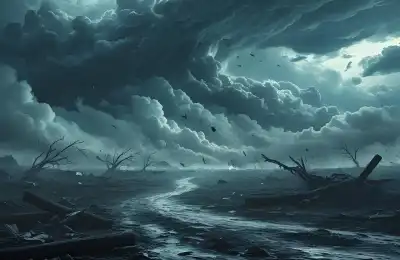
The dystopian genre includes a range of settings and themes. When thinking about your story, ask yourself: What kind of broken world am I creating? Here are four common types to inspire your dystopian future ideas:
- Technological dystopias: Overuse or misuse of technology, such as AI control, brain implants, and social scoring systems.
- Political dystopias: Tyrannical regimes, extreme censorship, or surveillance states.
- Environmental dystopias: Climate catastrophe, poisoned landscapes, and extreme weather.
- Social dystopias: Deep inequality, discrimination, and caste-like systems.
Step 2: Create Compelling, Believable Characters
Characters are the emotional anchor of any dystopian novel. The setting may be bleak, but it’s your characters who bring the story to life.
The protagonist is often someone who begins to question the world around them. They might have once accepted the system, but something changes. Think of Katniss in The Hunger Games, or Winston in 1984. Whether they resist, survive, or struggle internally, their journey reflects the themes of your story. Types of characters to consider:
- The Rebel: Fights against the system.
- The Conformist: Initially loyal to the regime, but has doubts.
- The Outsider: Offers a fresh perspective or a different truth.
- The Enforcer: Represents the oppressive system.
Good dystopian writing often shows the tension between survival and morality. Characters must make difficult choices, and those choices shape your story.
Step 3: Play with Dystopian Tropes
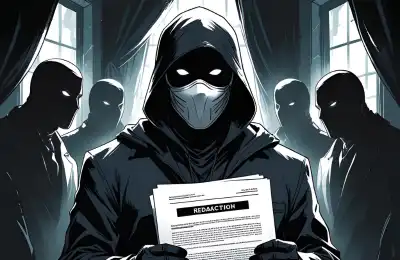
Dystopian writing often draws on familiar tropes, but that doesn’t mean your story has to feel predictable. Use these ideas creatively to support your theme:
- Propaganda and censorship
- Controlled reproduction or population
- Restricted knowledge
- Erased history
- Class division or privilege
Step 4: Build a Vivid, Believable World
The setting in a dystopian novel is more than just background; it’s a character in itself. Readers should feel immersed in your world’s sights, sounds, rules, and dangers. To develop your dystopian world ideas, consider:
- What event(s) led to this world? War? Pandemic? Technological failure?
- Who holds power, and how is it maintained?
- How do people live day to day? Is there freedom of movement? Is food scarce?
- What rules govern behaviour? What happens if people rebel?
If you’re writing speculative fiction, ground it in something plausible. Readers need to believe this world could happen. This is one of the defining factors of classic dystopian fiction: making the impossible feel uncomfortably close to reality.
Step 5: Craft a Plot That Reflects the World
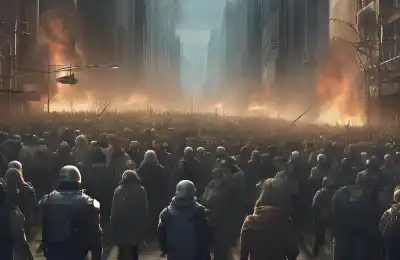
Now that you’ve built your world and developed your characters, it’s time to craft your plot. Here’s a basic structure to get started:
- Introduce the world: Show the setting and what’s wrong with it through the eyes of your main character.
- Spark of change: Something challenges the character’s view; new information, a relationship, or a personal loss.
- Rising tension: The protagonist questions or fights back against the system.
- Climax: A major confrontation or turning point.
- Resolution: The world may not be saved, but something has changed, perhaps just the character’s perspective.
Step 6: Explore Themes That Deepen the Message
While your plot may include danger and rebellion, your themes are what make the story meaningful. Think about:
- Freedom vs. control
- Truth vs. deception
- Hope vs. despair
- Conformity vs. individuality
These themes help explore the characteristics of dystopian novels and connect readers to your message. They can also help you define your world’s values and show what’s at stake.
Prompts and Dystopia Ideas for Inspiration
If you’re unsure where to begin, dystopian writing prompts can be a brilliant way to tap into fresh ideas and push your imagination in new directions. Here are a few thought-provoking prompts to inspire your next dystopian tale:
- In a city where daylight is banned, a curious girl discovers a banned book about the sun and begins to question everything she’s been taught.
- In a society where people are limited to 100 spoken words a day, silence isn’t just a choice, it’s survival. But one boy has something to say that could change everything.
- A population governed by happiness scores. Those who fall below the threshold are quietly removed from society.
Recommended for you!
Best SellersFrequently Asked Questions
What point of view works best for dystopian fiction?
Dystopian stories are often told in first person or third person to help readers connect deeply with the protagonist’s experience of an oppressive world. First person can be especially powerful for dystopian creative writing examples, as it captures internal conflict and emotional stakes. However, the third person can offer a wider perspective of the world and its systems.
Can a dystopian story have a happy ending?
Some dystopian novels end with hope, escape, or small victories, while others highlight how difficult real change can be. A completely cheerful ending may feel unrealistic in a bleak setting, but a satisfying conclusion that includes growth or a spark of resistance is entirely possible.
How do I show world-building without info-dumping?
Reveal your dystopian world through action, dialogue, and character reactions. Instead of explaining the entire system at once, show how it affects daily life. For example, if the government tracks every step, show your character hesitating before taking a forbidden path.
Do I need a villain in dystopian fiction?
The antagonist can be a person, like a ruthless leader, but more often it’s the system itself: laws, technology, social norms, or ideology. Sometimes, ordinary people become the face of oppression simply by following orders, which adds complexity and realism.
What if my dystopian story overlaps with other genres?
Dystopian fiction often blends with science fiction, fantasy, horror, romance, and thriller. These combinations can make your story even richer and more unique, as long as the characteristics of dystopian novels are present, it still fits the genre.
How can I come up with names for dystopian places or governments?
Start with the tone: harsh and clinical, ironic, or symbolic. Use Latin roots, corporate jargon, or made-up acronyms. For example, a surveillance regime might be called The Harmony Council, UNISAFE, or simply The Authority. Place names might reflect change (New Terra), irony (Liberty Zone), or decay (Ashreach).
How do I make sure my dystopian story feels original?
Focus on what matters to you. Start with a specific fear, social issue, or “what if?” question and build from there. Your voice, themes, and characters will naturally shape the story into something unique. Don’t worry about reinventing the genre; a fresh perspective is more important than inventing entirely new structures.
Study Our Novel Writing Diploma for £29
If you’re excited to start writing your own dystopian fiction, why not take your skills further with our Novel Writing Diploma Course? At Centre of Excellence, we support writers of all backgrounds in developing their voice, honing their craft, and finishing stories that matter. Start today for just £29 and turn your dystopian writing dreams into reality.