When the doorbell rings, it can feel as though all calm disappears. Your dog dashes to the door, barking loudly and leaping around in excitement, leaving you stressed and sometimes embarrassed in front of visitors. It’s a situation many dog owners face, and it can feel disheartening if nothing you’ve tried so far has worked. The reassuring news is that with the right techniques and a little consistency, you can teach your dog to respond calmly.
This guide will help you understand why dogs bark at the doorbell, show you how to desensitise them to the sound, and walk you through practical, step-by-step training methods you can start using straight away.
Jump to:
Recommended for you!
Best Sellers


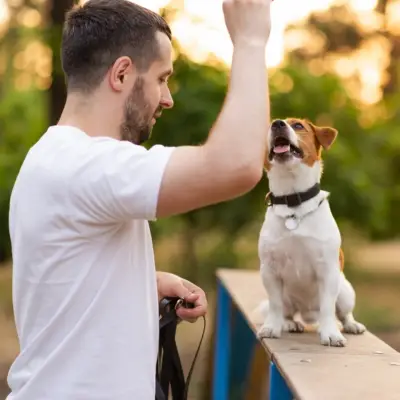




Why Do Dogs Bark at the Doorbell?
Most dogs have a strong reaction to the doorbell, and understanding why it happens is the first step towards changing the behaviour.
- Territorial response: Your dog sees the doorbell as a signal that someone is approaching their space, and barking is their way of warning the visitor to stay away.
- Excitement: Some dogs love the chance to meet new people, so the sound of the doorbell is like a cue for social time.
- Startle response: For more sensitive dogs, the sudden noise of a doorbell chime can be startling, leading to barking out of surprise.
- Learned behaviour: If your dog has always barked at the sound, and you’ve rushed to answer the door, they’ve learned that barking gets results.
4 Steps to Stop Your Dog Barking at the Doorbell
Training works best when you break it into manageable steps. Here are four proven techniques to help your dog stay calm when the doorbell rings.
1. Desensitise Your Dog to the Doorbell Sound
One of the most effective methods for reducing barking is desensitisation. This means helping your dog get used to the sound of the doorbell in a calm, controlled way.
- Start small: Start with playing a recording of a doorbell sound at a very low volume. The goal is for your dog to notice the sound without becoming agitated.
- Pair it with positivity: Each time the sound plays, reward your dog with a treat, gentle praise, or a short play session.
- Gradually increase: Slowly raise the volume over multiple sessions and continue rewarding calm behaviour every time.
- Mix it up: Once your dog can listen to the sound without reacting, begin using the actual doorbell in your training, ensuring that the same positive reinforcement is offered.
2. Teach an Alternative Behaviour

Desensitisation reduces the intensity of the trigger, but you’ll also need to give your dog something to do instead of barking. Teaching an alternative behaviour can transform how they respond.
Begin by choosing a simple command; many owners use “go to your bed” or “sit”. Practice this command in a calm, quiet environment until your dog understands it well. Once they can reliably follow the instructions, pair it with the sound of the doorbell. For example, ring the bell, immediately give the command, and then reward your dog for following it.
3. Manage the Environment
If your dog tends to charge at the front door, consider using baby gates or closing interior doors so they can’t reach it as easily. This makes it simpler for you to control the situation while reinforcing calm behaviour.
If deliveries often trigger barking, you might also arrange for parcels to be left in a safe place, avoiding repeated triggers while training is in progress.
4. Stay Calm Yourself

Dogs are highly attuned to human emotions, and they often mirror your reactions. If you become tense, annoyed, or frustrated when the doorbell rings, your dog may interpret that as confirmation that something stressful is happening.
Instead, aim to stay calm and consistent. Use a steady, quiet voice when giving commands, and avoid raising your volume, as shouting can encourage your dog to bark even louder.
Troubleshooting Common Challenges

Even with consistent training, you may face a few challenges along the way. Here’s how to handle them:
- Your dog barks at the doorbell but ignores treats: Try using a higher-value reward, like small pieces of chicken, cheese, or another favourite snack. Save these special rewards only for training around the doorbell, so they remain exciting.
- Your dog goes mad at the front door even after training: Go back to basics by working only with the sound of the bell until your dog can stay calm. Once they’re confident, gradually add the sight of someone approaching or entering, making sure each stage is practised slowly and positively.
- Progress feels slow: Some dogs need more repetition than others, and that’s perfectly normal. Stay patient, keep sessions short and regular, and remember that small improvements are signs of success.
Recommended for you!
Best SellersFrequently Asked Questions
Can my dog grow out of barking at the doorbell?
Some puppies may become calmer as they mature, but most dogs won’t stop barking at the doorbell without guidance. Training is the best way to change the behaviour, as it teaches your dog a calmer, more appropriate response.
Is it okay to let my dog bark once or twice at the doorbell?
If you’d like your dog to alert you, you can allow one or two barks before asking them to stop. Teach a clear command, such as “enough” or “quiet,” so your dog learns when to stop.
What if my dog reacts to knocking instead of the doorbell?
The same training principles apply; you can record knocking sounds or ask a friend to help with practice sessions. The goal is to desensitise your dog to the trigger, whether it’s a doorbell chime or a knock, and reward them for staying calm.
How long does it usually take to stop a dog barking at the doorbell?
Some dogs improve within a few weeks of consistent practice, while others may take longer. Short, frequent training sessions and steady progress are more effective than expecting instant results.
Can multiple dogs in the same home be trained together?
It’s usually easier to work with each dog separately at first. Once both dogs understand the training individually, you can bring them together for joint practice. This helps avoid one dog’s barking setting off the other.
Study Our Dog Training Diploma for £29
If you’d like to take your training skills further, the Dog Training Diploma Course with Centre of Excellence is a fantastic next step. You’ll explore a wide range of techniques to help you understand and support your dog’s behaviour. Right now, you can enrol for just £29!