Interest in herbalism often begins with a simple curiosity about plants and their traditional uses. For some people, it grows from a desire to support their own well-being in a more natural way. For others, it develops into a wish for a meaningful, flexible career that aligns with personal values around nature and holistic living.
What’s in This Guide?
This herbalism career guide explains what a herbalist is, how herbalists are trained, and how they earn money from their expertise. It also covers online learning options and business considerations when starting out.
Jump to:
What Is a Herbalist?
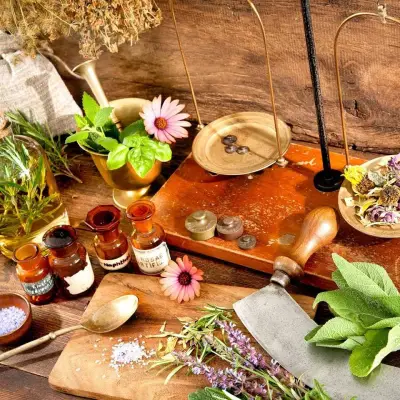
A herbalist is someone who studies plants and herbs, with a focus on their traditional uses and how they support general well-being. Herbalists develop a deep understanding of how plants have been used across cultures and generations, alongside knowledge of safety, responsible practice, and ethical boundaries.
Herbalists may create herbal products, teach others, write educational content, or run workshops and courses. The role is rooted in learning and respect for nature, combined with clear communication and responsibility.
Recommended for you!
Best Sellers

Why Do People Choose a Herbalist Career?
Many people are drawn to a herbalist career because it offers a combination of personal fulfilment and lifelong learning. Below are some of the most common reasons people choose this path.
- A strong connection to nature: Herbalism involves working closely with plants and natural cycles. This appeals to people who value outdoor learning, gardening, and sustainable living.
- Lifelong learning and curiosity: Herbalism is a field where learning never truly ends. Plants and research continue to offer new insights, making the work mentally engaging and rewarding.
- Flexible career options: Herbalists often shape their work around their lifestyle. Many combine herbalism with writing, teaching, product creation, or other wellness-related roles.
- Meaningful work: Sharing knowledge about herbs and traditional practices can feel purposeful, especially for those who enjoy helping others learn and grow.
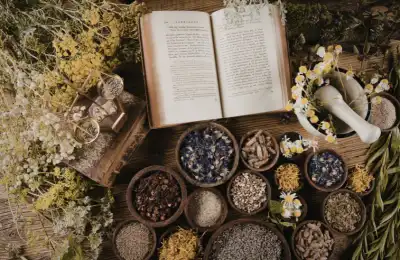
How to Become a Herbalist in the UK
Becoming a herbalist in the UK usually involves a combination of structured learning and practical experience. While there is no single required path, the steps below provide a realistic framework.
Step 1: Build a Foundation of Knowledge
The first step is learning the basics of herbalism. This includes understanding common herbs, plant identification, traditional uses, and basic preparation methods such as infusions and tinctures.
Step 2: Choose Structured Herbalism Training
Formal herbalism training helps organise knowledge and ensures safe, responsible learning. A herbalist course should cover plant science, traditional herbal systems, ethics, and safety considerations. If you want to be taken seriously in the industry, choosing a course accredited by a recognised professional body adds credibility and reassurance.
Online courses are particularly useful because they allow flexible study alongside work and family commitments. Our Master Herbalist Diploma Course is popular with those pursuing a career in herbalism, offering accredited certification upon completion through the CMA and Quality Licence Scheme.
Step 3: Develop Practical Understanding
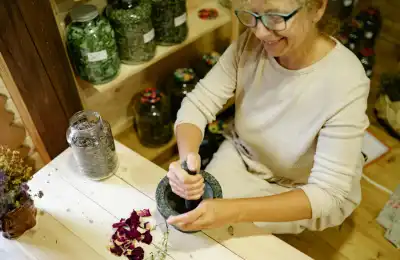
Practical learning deepens theoretical knowledge. This may involve growing herbs, observing plants in the wild, keeping study notes, and practising preparation techniques at home. Experience builds confidence and helps herbal knowledge feel more grounded and usable.
Step 4: Decide on Your Direction
Herbalism can lead in many directions, including education, writing, product development, or running workshops. If you’re working towards a professional herbalist career, clarifying your goals helps guide further training and development.
Step 5: Continue Learning and Refining Skills
Herbalism is not a subject that ends with one qualification. Ongoing study and reflection are part of responsible practice. Many herbalists continue taking advanced courses as their interests evolve.
Herbalism Training and Qualifications
In the UK, there is no single legal requirement for herbalist certification, but structured training is strongly recommended for those who wish to work professionally. Some herbalists hold degrees, while many others complete diplomas and certificates focused on traditional herbal knowledge.
A good herbalist qualification focuses on education rather than medical claims. It should explain herbs clearly, cover safety and ethical considerations, and encourage responsible use of knowledge.
The Best Herbalist Courses Online
Online learning has made herbalist study more accessible than ever. Centre of Excellence offers several courses that support different stages of herbal learning and suit a wide range of interests.
- Master Herbalist Diploma Course: This course explores traditional uses of herbs, safety considerations, and responsible practice, making it suitable for beginners as well as those looking to build confidence in their understanding of herbalism.
- Ayurvedic Herbalism Diploma Course: This course introduces the principles of Ayurvedic herbalism, one of the world’s oldest traditional systems. It explores herbs within the context of balance, lifestyle, and traditional philosophy, offering a broader cultural understanding of plant use.
- Botany Diploma Course: A strong understanding of plants begins with botany. This course explains plant structure, growth, and classification in clear terms, helping learners identify and understand herbs more confidently.
- Advanced Master Herbalist Course: Designed for those who want to deepen their knowledge, this course builds on foundational learning and explores herbalism in greater detail. It is suitable for learners who want a comprehensive understanding of herbal traditions and practices.
Earning Money as a Herbalist
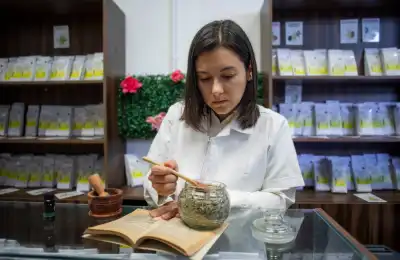
Herbalists earn money in a variety of ways, often by combining herbal knowledge with skills such as teaching, writing, or creating digital products. Income usually builds over time rather than immediately.
In the UK, some herbalists earn a few hundred pounds per month when starting out, while more established herbalists may earn around £20,000 to £35,000 per year, depending on experience and how they choose to work. Many work independently and grow their income gradually by building an audience and offering educational or product-based services.
Marketing Your Herbalist Business
Once you’ve completed your training and launched your business, it’s time to focus on sharing your services and reaching the right clients. You can do this by:
- Focusing on education first: Herbalism marketing works best when it is rooted in teaching rather than selling. Sharing informative content about herbs and general well-being helps build trust and positions you as a knowledgeable and thoughtful practitioner.
- Building an online presence gradually: A simple website, blog, or social media profile allows people to find and learn from you. Choosing one or two platforms that suit your style makes marketing more manageable and consistent.
- Using clear, honest language: Avoid exaggerated claims and promises. Explaining what you do in straightforward terms helps potential learners and customers understand your approach and sets realistic expectations from the start.
- Building a personal brand: Many people connect with herbalists who are open about their own learning process. Talking about what you are studying, growing, and researching can make your work feel relatable and authentic.
- Offering value through different formats: Blogs, newsletters, short educational posts, workshops, and downloadable guides allow you to share knowledge in different ways. This helps reach a wider audience and supports different learning preferences.
Frequently Asked Questions
Is herbalism regulated in the UK?
Herbalism in the UK is not regulated in the same way as professions such as medicine and nursing. This means there is no single governing body that controls who can practise. However, herbalists are expected to act responsibly, follow consumer protection laws, and avoid making medical claims. This is why structured training and ethical awareness are important for anyone working with the public.
Do I need insurance to work as a herbalist?
Professional insurance is often recommended if you plan to sell products, teach workshops, and offer educational sessions. Insurance helps protect you and your business and shows a professional approach to your work. The type of insurance needed depends on how you choose to work and what services you offer.
Can herbalism be combined with another career?
Herbalism is commonly combined with other roles such as teaching, writing, coaching, skincare formulation, and small business ownership. Many people develop herbalism alongside an existing career before deciding whether they want to expand it further.
Do I need to grow my own herbs to be a herbalist?
Growing herbs can be helpful but it’s not essential. Many herbalists start by learning plant identification, sourcing herbs responsibly, and understanding preparation methods. Gardening can deepen practical knowledge, but it’s only one part of herbal study.
Is herbalism suitable for beginners with no background in science?
Herbalism is accessible to beginners and does not require prior scientific training. Many people begin with little background knowledge and build understanding gradually.
Recommended for you!
Best SellersStudy Our Master Herbalist Diploma For £29
The Master Herbalist Diploma Course is the ideal first step towards pursuing a career in herbalism. For a limited time, you can enrol for the discounted price of £29!.
If you would also like to join our learning community, unlock exclusive discounts, and receive expert tips, you can sign up for our mailing list.