Known for its striking appearance and strong energy, galena is one of the most fascinating minerals to learn about, both for its scientific significance and its connection to crystal healing.
Whether you’re curious about its special properties or simply love learning about unique stones, this guide explores everything you need to know about the mineral galena.
Jump to:
- What Is Galena?
- Where Is Galena Found?
- Galena’s Properties: Physical and Chemical
- What Are the Healing Properties of Galena?
- Galena’s Uses
- Galena’s Meaning and Symbolism
- Galena in Crystal Healing Practice
- Is Galena Toxic to Humans?
- How Can You Tell If Galena Is Real?
- Common Questions About Galena
- Study Crystal Healing for £29
What Is Galena?
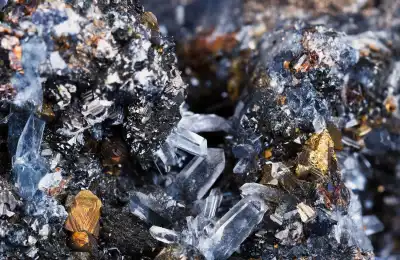
Galena is a naturally occurring mineral, well known as the primary ore of lead. This means that galena is the main source from which lead is extracted. Its chemical formula is PbS, which stands for lead sulphide, a combination of lead and sulphur.
This metallic-looking stone has a beautiful silver-grey shine and forms in cubic crystals or granular masses. Because of its density and reflective surface, it’s often mistaken for silver, earning it the nickname “silver lead ore.”
When you hold a piece of galena, it feels heavy for its size. That’s because lead is a dense metal, and galena is rich in it. While it’s an industrially important mineral, galena crystals also attract collectors and healers for their grounding, reflective qualities.
Where Is Galena Found?
Galena is found all around the world, often in regions rich in metallic ore deposits. Large deposits of galena ore have been discovered in countries such as the United States, Australia, Mexico, Germany, and the United Kingdom.
Galena’s Properties: Physical and Chemical
Galena has several distinct features that make it easy to recognise and fascinating to study.
- Colour and Lustre: Galena’s metallic grey colour and shiny, reflective surface give it an almost mirror-like look.
- Crystal Structure: It usually forms in perfect cubes, making it instantly recognisable.
- Hardness: On the Mohs hardness scale, galena scores around 2.5, meaning it’s quite soft. You can’t scratch it with your fingernail, but it’s easily marked with a knife.
- Density: Galena feels heavy because it contains lead. It won’t float on water and will sink immediately.
- Magnetism: The stone is generally non-magnetic, though slight magnetism can occur if it contains iron impurities.
What Are the Healing Properties of Galena?
When it comes to crystal healing, galena has long been admired for its powerful, grounding energy. Although it’s not as commonly used as some other stones, many believe it carries deep, restorative vibrations. Here are some of the most widely recognised healing properties of galena:
- Grounding and Stability: Galena is a grounding crystal that helps you feel steady and balanced, especially during times of change or emotional turbulence.
- Detoxification Energy: Some practitioners use galena to symbolically “clear out” negative energy. It’s a powerful crystal for supporting emotional cleansing.
- Enhancing Insight: Because it reflects light and energy, galena is thought to help you see situations more clearly.
- Encouraging Transformation: This mineral represents deep change, reminding you that transformation often begins with acceptance and self-awareness.
Galena’s Uses

For thousands of years, galena has played an important role in human history. Ancient civilisations used it as a pigment and for decorative purposes, while modern industries depend on it for practical applications.
Industrial Uses
- Lead production: The most common use of galena is as a lead ore. When processed, it provides the majority of the world’s lead supply.
- Silver extraction: Some galena minerals contain silver, making them valuable sources of silver lead ore.
- Electronics and radiation shielding: Lead derived from galena is used in batteries, glass, cables, and protective equipment against radiation.
Decorative and Metaphysical Uses
In crystal healing, galena stones are used for grounding energy and bringing balance. Its reflective surface is thought to mirror your inner thoughts, encouraging self-awareness and clarity.
Galena’s Meaning and Symbolism
The meaning of galena goes far beyond its metallic beauty. Spiritually, this crystal is often seen as a stone of transformation and harmony. It’s associated with stabilising energies and helping you feel more centred in the present moment.
Because galena connects deeply with the Root Chakra, it’s said to ground your energy and strengthen your connection to the Earth. This makes it particularly helpful if you feel overwhelmed or disconnected.
In metaphysical circles, galena is also known for helping to balance emotions and encourage honesty, both with yourself and others. Its mirror-like surface is a fitting symbol for introspection and truth.
Galena in Crystal Healing Practice
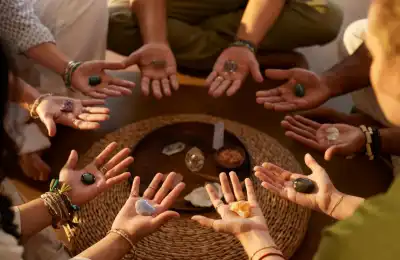
When using galena in healing or meditation, it’s best to keep it near you during moments of reflection or stress. Because of its dense energy, it’s not a crystal to use lightly. Instead, it’s ideal for deep, introspective work.
You might place galena on your desk to stay grounded during busy days or hold it while meditating to centre your energy. Just remember to handle it carefully and store it separately from softer or water-sensitive stones.
Is Galena Toxic to Humans?
It’s important to note that galena contains lead, which can be toxic if ingested or inhaled. However, simply handling a galena stone poses very little risk as long as you take basic precautions.
To stay safe, always wash your hands after handling galena crystals, and keep them out of reach of small children and pets. Avoid using galena in crystal elixirs or any form of direct contact with water that you intend to drink.
How Can You Tell If Galena Is Real?
Because of its metallic appearance, galena is sometimes confused with other minerals like hematite or magnetite. However, there are simple ways to identify a genuine galena stone:
- Weight: Galena is very heavy for its size. If the stone feels lighter, it’s probably not real.
- Shine: It has a distinctive silver-grey metallic lustre.
- Shape: Look for cube-like formations.
- Scratch Test: It’s relatively soft. You can’t scratch galena with your fingernail, but it can be scratched with a knife.
Read more about how to tell if a crystal is real.
Common Questions About Galena
Is Galena a Gemstone?
Technically, galena isn’t classified as a traditional gemstone because it’s too soft and fragile for jewellery. However, its striking metallic look and geometric shape make it a popular collector’s stone.
What’s The Difference Between Hematite and Galena?
If you’re comparing the difference between hematite and galena, the easiest clue is texture. Hematite has a smoother, more glassy shine, while galena’s surface is more reflective and dense.
How Rare Is Galena?
Galena is not particularly rare, as it’s found in many parts of the world. However, high-quality, well-formed galena crystals are less common and can be prized by mineral collectors. The presence of silver or gold in some galena ores can also increase their value significantly.
Why Is Galena Famous?
Galena is famed for being both scientifically significant and visually stunning. It’s the most important mineral for lead extraction, has been used since ancient times, and continues to intrigue geologists, collectors, and healers today.
Does Gold Form With Galena?
Sometimes, yes. Galena can occur alongside small amounts of silver and gold, which makes some galena minerals especially valuable to collectors and miners.
Is Galena Worth Anything?
While not as valuable as gold or silver, galena crystals can fetch good prices depending on their size, purity, and inclusion of silver.
Recommended for you!
Best Sellers







Study Crystal Healing for £29
If you’d like to deepen your understanding of crystals and their meanings, you can explore further with the Crystal Healing Diploma Course. For a limited time, you can enrol for just £29, and discover how to use crystals like galena to balance energy and bring more harmony into your life.