If you’ve ever leaned in for a cuddle with your cat and noticed a whiff of something unpleasant, you’re not alone. Many cat owners find themselves wondering how to get rid of their cat’s bad breath. While a faint odour can be normal, strong or foul-smelling breath in cats can be a sign that something’s not quite right.
This guide explains what causes bad breath in cats, treatment options, and when you should speak to a vet.
Jump to:
What Should Cat Breath Smell Like?
A healthy cat’s breath shouldn’t smell offensive. Naturally, it may have a slightly meaty or fishy scent that reflects what they’ve recently eaten. However, if you notice smelly breath even after meals, it could be a sign that something is amiss.
Bad breath (or halitosis) can range from a faint sour smell to something far stronger, like a decaying odour. The type of smell can sometimes even indicate what’s wrong; for instance, a sweet smell could point to diabetes, while a rotten fish smell may indicate dental disease.
Why Do Cats Get Bad Breath?
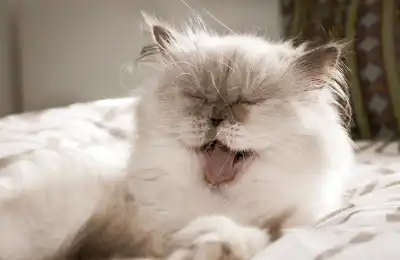
There are several possible reasons cats get bad breath, and they vary from simple to serious. Here are the most common causes:
1. Dental and Gum Problems
By far the most common reason for bad breath in cats is dental disease. Over time, plaque and tartar build up on your cat’s teeth, leading to gingivitis (inflammation of the gums), infections, and tooth decay. As bacteria multiply, your cat’s breath smells unpleasant, and you might notice drooling or difficulty eating.
In severe cases, untreated dental disease can lead to terrible cat breath, tooth loss, and significant pain. Regular dental care, just like humans need, is key to preventing this.
2. Diet and Food Residue
If your cat’s breath smells like fish, their food might be partly to blame. Fish-based cat foods are nutritious but can leave a lingering scent. However, if the smell is stronger or different than usual, it’s worth checking for stuck food debris between teeth or under gums, which can rot and smell foul.
Low-quality diets can also contribute to smelly breath in cats, especially those lacking in nutrients that support oral and digestive health.
3. Oral Infections and Abscesses
Infections inside your cat’s mouth, often from broken teeth, ulcers, or injuries, can lead to stinky breath and visible discomfort. A pus-like or metallic odour often points to an abscess, which needs prompt veterinary care.
4. Kidney or Liver Disease
Sometimes, a cat's bad breath can reflect problems deeper in the body. Cats with kidney disease often have a breath that smells like ammonia or urine due to toxins building up in their blood. Liver disease, on the other hand, can cause a foul odour, often accompanied by vomiting and a loss of appetite.
If your cat’s breath smells bad and they show other symptoms, see your vet immediately.
5. Diabetes
Cats with diabetes sometimes have a sweet, fruity smell to their breath. This happens because their bodies produce chemicals called ketones when blood sugar levels are high. This isn’t normal and requires medical attention, especially if your cat is drinking and urinating more than usual.
6. Something Stuck in Their Mouth
It may sound simple, but a small bone, piece of string, or even grass caught between your cat’s teeth can create bad breath as bacteria start to grow around it. If your cat seems to paw at their mouth or refuse food, gently check for foreign objects. If your cat has pica, the likelihood of this happening is higher.
Bad Breath in Kittens
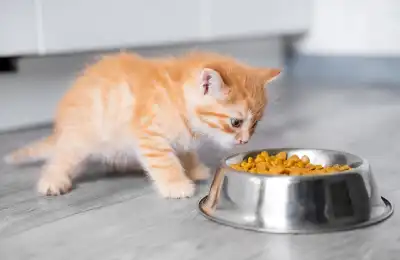
If your kitten’s breath stinks, it may simply be due to teething, which causes mild inflammation. However, bad breath in kittens can also indicate infection or a digestive issue. Because kittens are more delicate, it’s best to have a vet examine them if the smell doesn’t pass within a few days.
Signs That Bad Breath Could Mean a Bigger Problem
Sometimes, cat breath stinks due to dental or dietary issues, but occasionally, it can indicate something more serious. Contact your vet if you notice:
- Persistent smelly breath even after brushing or cleaning
- Red, swollen, bleeding gums
- Drooling or pawing at the mouth
- Difficulty chewing or eating
- Weight loss or a poor appetite
- Behavioural changes such as hiding or irritability
These can point to oral infections or health conditions needing prompt care.
How to Treat Bad Breath in Cats
If you’re wondering how to treat bad breath in cats, the first step is to identify the cause. Once your vet rules out medical conditions, you can take steps at home to freshen your cat’s mouth and prevent future problems.
1. Professional Dental Cleaning
If dental disease is behind your cat's bad breath, your vet may recommend a professional clean under anaesthetic. This removes plaque and bacteria buildup, and allows them to check for damaged or infected teeth. Afterwards, you’ll notice a big improvement in your cat’s breath.
2. Regular Tooth Brushing
Brushing your cat’s teeth is the best way to prevent halitosis in cats. Use a soft-bristled toothbrush and toothpaste made especially for cats, and never use human toothpaste. Start slowly, rewarding them for calm behaviour, and gradually build up to short brushing sessions a few times a week.
3. Dental Treats and Chews
Dental treats or special oral care diets can help reduce plaque and tartar between brushes. These are handy options if your cat refuses brushing, though they’re not a full substitute for it.
4. Dietary Improvements
Sometimes, a cat's smelly breath issue can improve with a better diet. Choose high-quality cat food rich in nutrients that support oral and digestive health. Avoid overfeeding fish-based food if the odour lingers, and provide plenty of fresh water to help wash away bacteria.
5. Check for Underlying Health Issues
If your cat’s breath smells like death or has an unusually strong odour, it could be more than just dental trouble. Your vet can perform blood and urine tests to rule out kidney, liver, or metabolic diseases. Early treatment can make a huge difference to your cat’s comfort and health.
Home Remedies for Cat Bad Breath
If you’re wondering how to get rid of a cat’s bad breath at home, there are a few gentle remedies to try alongside regular vet care:
- Mix a little coconut oil into their food (safe in small amounts) for antibacterial benefits.
- Add parsley or mint to their diet occasionally (providing your cat isn't a picky eater), both are natural breath fresheners.
- Offer crunchy treats or kibble that help scrape plaque away as they chew.
Remember that home remedies are supportive, not cures. Always seek veterinary advice if your cat breath smells persistently.
How to Prevent Bad Breath in Cats
Preventing smelly breath in cats is much easier than treating it later. With consistent care, you can keep your cat’s mouth clean and odour-free:
- Brush their teeth regularly.
- Schedule annual vet check-ups and dental cleanings.
- Feed them a balanced diet designed for oral health.
- Provide chew toys or dental treats.
- Watch for early signs like mild odour or gum redness.
When to See a Vet
If your cat’s breath smells so bad that you can’t be near them, or if the odour changes suddenly, it’s time to visit the vet. Bad breath can sometimes be a symptom of something serious, and early detection means more effective treatment. Your vet can determine whether your cat needs dental care or tests for internal health issues.
Recommended for you!
Best Sellers






Study the Feline Nutrition Diploma Course for £29
Understanding your cat’s diet and how it influences their oral and overall health can make a huge difference. Our Feline Nutrition Diploma Course explores how nutrition supports cats’ wellbeing, from healthy teeth to shiny coats and strong immune systems. You can currently enrol for just £29!