Waking up to find your cat chewing, licking, or pulling at your hair is a common experience for many cat owners. It might seem odd, but this behaviour actually makes sense once you understand what’s going on in your cat’s mind.
Cats often show affection, curiosity, or stress through grooming behaviours, and your hair is just another part of their world to explore. In this article, we’ll look at why cats lick, chew, bite, and eat your hair, and how to stop it if it becomes a problem.
Jump to:
What Do Cats Think About Human Hair?
From a cat’s perspective, your hair is fascinating. It’s soft, smells like you, and sometimes moves in an unpredictable way. They might not understand that it’s not fur, but to them, it’s a natural part of their environment – and of you.
Cats may also associate your hair with routine and comfort. For example, if your cat likes to lie near your head at night, they might find your scent soothing. Over time, that familiarity can develop into grooming or nibbling behaviour. So, while it might seem strange to you, to your cat, it’s just another way to connect.
Why Does My Cat Eat My Hair?
1. A Sign of Affection
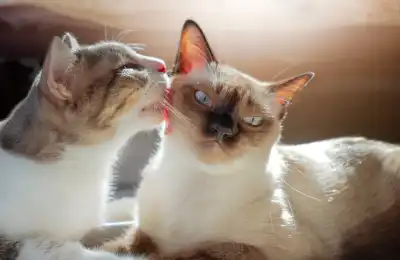
In the feline world, grooming is one of the most common ways cats bond with one another. When your cat licks your hair, they may see you as part of their family and a trusted member of their social group.
In multi-cat households, bonded cats often groom each other to strengthen bonds and mark territory with their scent. When your cat does this to you, they might be marking you as theirs. It’s their way of saying, “You’re part of my clan.”
However, while the intention is affectionate, a cat licking or nibbling at your hair can sometimes lead to unwanted tangling or discomfort. If your cat starts pulling or biting, it may not be aggression; it’s just part of their natural grooming style.
2. Curiosity and Texture
Cats are naturally curious creatures. Your hair moves, smells, and feels different to them. Whether it’s long, short, curly, or straight, it has an appealing texture that might remind them of fur or string. If your cat is chewing or biting your hair, they might simply find it fun to explore.
Scent also plays a big part in this behaviour. Cats rely heavily on their sense of smell, and your hair carries your natural scent, along with the fragrances of hair products. If your cat is particularly obsessed with your hair after a shower, it could be because it smells enticing.
Some cats are drawn to minty or fruity shampoos, as these scents can mimic catnip or the smell of certain plants. So, your post-shower hair may be irresistible to your feline friend.
3. Mimicking Grooming Rituals
Another reason you might catch your cat licking or grooming your hair is that they’re trying to mimic the social grooming rituals they would perform with other cats. In cat groups, mutual grooming (called allogrooming) helps maintain social harmony and reduces tension.
By grooming your hair, your cat may be trying to comfort you, or even comfort themselves. This behaviour is common in cats that are especially bonded with their owners. You might also notice this behaviour when you’re relaxed, such as when watching TV or lying in bed. That’s often when your cat feels closest to you.
4. Comfort and Security
Some cats use grooming behaviours, like licking or chewing, to soothe themselves when they’re anxious or stressed. If you notice your cat eating your hair during moments of change, like moving house, adjusting to a new routine, and introducing a new pet, they may be seeking comfort in familiar scents.
Your hair smells like you, which makes it a source of reassurance. For cats that were weaned too early or have strong attachment tendencies, chewing on your hair may even resemble kitten-like behaviour, where they suckle to feel safe.
If this is the case, your cat isn’t trying to harm your hair; they’re using it as a comfort object, much like a child might with a favourite blanket.
5. Boredom and Attention-Seeking Behaviour
Sometimes the simplest explanation is the right one. Cats often engage in strange behaviours when they’re bored or want attention. A cat biting your hair might have learned that it gets a reaction, and attention is rewarding. Over time, they may start doing it intentionally just to engage with you.
Ensuring your cat has enough stimulation during the day, like interactive play sessions and toys that mimic prey, can help redirect this behaviour in a healthy way.
What Happens If a Cat Eats Human Hair?
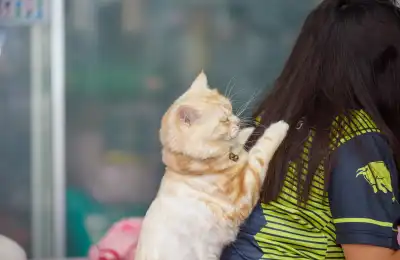
While ingesting a small amount of human hair isn’t usually harmful, eating too much can cause problems. Cats can’t digest human hair, so it can accumulate in their stomachs just like their own fur does, potentially leading to hairballs or digestive blockages.
If your cat eats your hair regularly, watch for signs of discomfort such as vomiting, loss of appetite, and lethargy. In rare cases, large amounts of swallowed hair could lead to an intestinal obstruction, which may require veterinary attention.
If you suspect your cat is actually swallowing hair rather than just chewing or licking it, it’s important to take steps to discourage the habit.
Should I Let My Cat Chew on My Hair?
It’s best not to encourage your cat to chew on your hair, even if it seems harmless. While the behaviour is often affectionate, it can lead to hair ingestion or escalate into biting. In addition, some hair products contain ingredients that aren’t safe for cats, such as essential oils or artificial fragrances.
Instead, show affection in safer ways, like brushing or gentle stroking. You can also provide your cat with soft chew toys or textured objects designed for cats that enjoy grooming behaviours.
How Do I Get My Cat to Stop Eating My Hair?
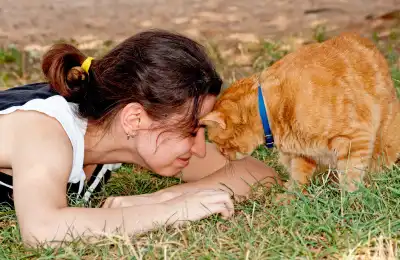
If you’ve decided it’s time to stop the behaviour, here are a few simple and effective steps:
1. Gently Redirect Their Attention
When your cat bites your hair or starts grooming your head, avoid shouting or pushing them away. Instead, calmly move them off and offer a distraction, such as a toy or treat. Over time, they’ll learn that your hair isn’t for play.
2. Increase Play and Mental Stimulation
Provide more opportunities for play throughout the day. Wand toys, climbing trees, and puzzle feeders can keep your cat engaged and reduce boredom-related behaviours.
3. Maintain a Calm Environment
Stress and anxiety can make grooming behaviours more frequent. Try to keep your cat’s environment predictable, with regular feeding times and quiet spaces, to help reduce the urge to self-soothe through chewing or licking.
4. Offer Comfort Alternatives
Soft toys and blankets with your scent can serve as comforting replacements. This is especially helpful for cats that seem to chew your hair for emotional security.
5. Check for Health Issues
If your cat’s hair-eating seems compulsive or they’re actually ingesting hair, consult your vet. They can check for digestive issues, nutritional deficiencies, and behavioural conditions that may need attention.
Recommended for you!
Best Sellers




Study Feline Behaviour and Psychology for £29
If you want to deepen your understanding of feline psychology, our Feline Behaviour and Psychology Diploma Course is the perfect next step. This online course explores why cats act the way they do, how to interpret their behaviour, and how to build a stronger bond with your pet. Right now, you can enrol for the discounted price of £29!