Whether you’ve noticed your cat nibbling on clumps of litter or your kitten chewing on the grains, it’s natural to want to know why this is happening. Eating litter isn’t typical cat behaviour, but it’s also not uncommon. There are several possible reasons for it, some harmless, others more serious. Understanding what’s going on can help you decide what steps to take next.
Below, we’ll explore why cats eat cat litter, what it might mean about their health or emotions, and what you can do to stop it.
Jump to:
Understanding the Behaviour
Cats are curious animals, and sometimes their curiosity extends to tasting things that they really shouldn’t, including their own litter. This behaviour can happen in cats of all ages, but for kittens it’s particularly common. Like human babies, kittens explore their world through their mouths. If you’ve just brought home a young cat, it’s quite possible they’re simply trying to understand what this strange new substance is.
However, when adult cats start eating litter, it’s often a sign that something isn’t quite right. The reasons can vary, from nutritional deficiencies to medical issues.
Common Reasons Cats Eat Litter
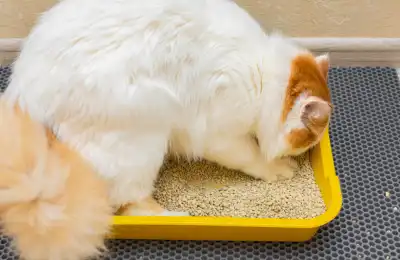
1. Curiosity (Especially in Kittens)
If your kitten is eating cat litter, curiosity is usually to blame. When kittens first learn to use a litter tray, they often investigate by sniffing and occasionally tasting. Most kittens quickly lose interest once they realise it’s not food.
However, if your kitten continues to eat litter past the early stages of training, it’s worth keeping an eye on. Persistent litter eating might point to another underlying issue.
2. Anaemia or Nutrient Deficiencies
One of the most common medical explanations for cats eating litter is anaemia, a condition where the blood doesn’t have enough healthy red blood cells. This can be caused by poor diet, parasites, and underlying illnesses.
In these cases, the cat may instinctively try to consume substances like clay or soil (known as pica) to compensate for the deficiency. Since many litters are clay-based, your cat might be eating litter because their body is craving certain minerals.
3. Stress or Anxiety
Cats are sensitive creatures, and changes in their environment, like moving house or introducing new pets, can cause stress and anxiety. For some cats, eating litter can be a coping mechanism, similar to how humans bite their nails when anxious. Providing a calm, predictable environment with plenty of enrichment can help reduce stress-related behaviours.
4. Boredom
Cats are intelligent and need mental stimulation. A bored cat may start exploring their surroundings in unusual ways, including licking or chewing at litter. Make sure your cat has toys, scratching posts, places to climb, and interactive playtime each day to prevent them from turning to the litter tray out of sheer lack of excitement.
5. Underlying Health Issues
Occasionally, litter eating can signal a more serious health problem such as kidney disease or gastrointestinal disorders. Older cats are especially prone to these conditions, so if you notice an elderly cat eating litter, it’s best not to ignore it.
Health-related litter eating often comes alongside other symptoms like weight loss, fatigue, changes in appetite, and unusual drinking habits. A trip to the vet is essential to rule out or treat these underlying causes.
Is Eating Litter Normal Cat Behaviour?
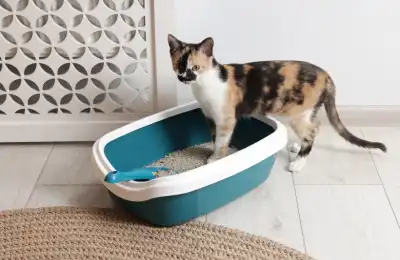
While curiosity-driven tasting in kittens can be considered normal for a short time, eating litter is not typical adult cat behaviour. It’s usually a sign that something else is going on, either physically or emotionally.
Paying attention to when and how often it happens can help you identify patterns. Does it happen after feeding times? During stressful moments? Or only when the litter has just been changed? Observing these details can be very helpful for your vet.
Is Cat Litter Toxic if Cats Eat It?
Many litters, particularly clumping clay types, can be harmful if eaten. When clumping litter comes into contact with moisture, it expands. Inside your cat’s digestive system, this can lead to a blockage that prevents food from passing normally. In severe cases, it can be life-threatening.
Biodegradable litter made from paper, corn, tofu, or wood are generally safer but should still not be consumed. Even non-toxic litter can cause digestive upset or discomfort if eaten regularly.
Can Eating Litter Cause a Blockage?
If your cat consumes enough litter, especially clumping types, it can create a blockage in the digestive tract. This prevents food and waste from moving normally and can quickly become a medical emergency.
Signs of a blockage include vomiting, lack of appetite, constipation, and lethargy. If you notice these symptoms, contact your vet immediately.
How Do I Stop My Cat from Eating Litter?
Preventing your cat from eating litter usually depends on the underlying cause. Here are some practical steps:
1. Visit the Vet First
Always start with a vet visit. Your vet can run blood tests and physical exams to check for anaemia, nutrient deficiencies, or other medical conditions. If your cat’s litter eating is health-related, professional treatment is the safest way to address it.
2. Review Their Diet
Make sure your cat’s food is high-quality and nutritionally balanced. Deficiencies in vitamins, iron, or other minerals could be prompting your cat to eat litter. Your vet may recommend a supplement or diet change to correct this.
3. Switch to a Safer Litter Type
If your cat keeps eating litter despite your efforts, consider switching to a paper- or wood-based litter. These are less likely to cause blockages and are generally non-toxic.
4. Reduce Stress
Create a calm environment by keeping routines consistent and offering safe hiding spots. Use pheromone diffusers or calming sprays to help anxious cats feel secure. Spending time playing and bonding with your cat also helps ease anxiety.
5. Provide Enrichment
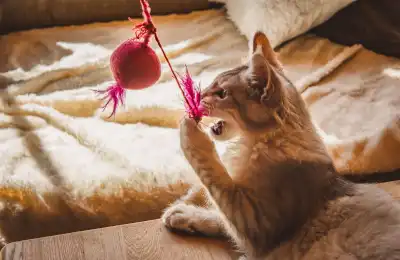
Give your cat new toys, puzzle feeders, and climbing spaces to reduce boredom. Regular playtime strengthens your bond and helps redirect unwanted behaviours.
6. Keep the Litter Tray Clean
Cats are fussy about hygiene. Keeping the litter tray clean and odour-free might reduce their interest in investigating it too closely. It’s also a good idea to place the tray in a quiet, low-traffic area to help your cat feel safe while using it.
Can a Vet Help with Litter Eating?
A vet can help determine whether your cat’s litter-eating habit is linked to a medical or behavioural cause. They’ll perform a thorough check-up, possibly including blood tests or x-rays, to ensure your cat’s internal organs are functioning properly.
They can also advise on appropriate dietary changes or behavioural training to stop the habit safely. If needed, they may refer you to a feline behaviour specialist for additional support.
Recommended for you!
Best Sellers





Study Feline Behaviour and Psychology for £29
If you’d like to understand your cat on a deeper level, consider taking our Feline Behaviour and Psychology Diploma Course. This comprehensive online course explores cat behaviour, communication, and care techniques to help you build a stronger bond with your feline companion. Enrol today for a discounted price of just £29!