If you live with ADHD, you might notice that your eating habits sometimes feel unpredictable. Perhaps you go long stretches forgetting to eat, then suddenly find yourself bingeing later in the day. Or maybe you often crave sugar or struggle to stop snacking even when you’re not hungry. Many people with ADHD experience challenges around food, appetite, and self-control.
Understanding the connection between ADHD and overeating can help you feel more in control of your relationship with food. This article explores why these behaviours happen and what you can do to manage them.
Jump to:
- Understanding ADHD and Its Impact on Daily Life
- What Are the Food Habits of People with ADHD?
- The Brain’s Reward System and Food Cravings
- ADHD and Impulse Control: Why It’s Hard to Stop Eating
- Emotional Eating and ADHD
- What Are ADHD Hunger Cues?
- Is Constant Hunger a Symptom of ADHD?
- Sugar Cravings, ADHD, and the Energy Rollercoaster
- Is Eating a Form of Stimming?
- ADHD and Food Addiction: Understanding the Cycle
- The Role of Routine: How ADHD Affects Eating Habits
- The Best Foods for ADHD
- Foods to Avoid with ADHD
- Reframing Your Relationship with Food
- How to Stop Overeating with ADHD
- Study ADHD Awareness for £29
Understanding ADHD and Its Impact on Daily Life
Attention Deficit Hyperactivity Disorder (ADHD) affects the way your brain manages focus, motivation, and impulse control. These differences can influence nearly every part of daily life, from how you work or study to how you sleep and eat.
When it comes to eating habits, ADHD can make it harder to notice hunger cues and maintain regular meal routines. The result can be a pattern of overeating followed by feelings of guilt or frustration.
What Are the Food Habits of People with ADHD?

People with ADHD often show distinct eating patterns:
- Irregular meal times — forgetting to eat, then eating a lot later.
- Preference for fast, easy foods — convenience often wins when focus is limited.
- Craving for stimulation — foods with strong flavours or textures can feel satisfying.
- Tendency to multitask while eating — which can lead to overeating without realising.
The Brain’s Reward System and Food Cravings
Food is one of the most common sources of pleasure and reward in daily life. When you eat something enjoyable, especially sugary or high-fat foods, your brain releases dopamine, a chemical linked to motivation and pleasure.
People with ADHD naturally have lower dopamine levels. This can make the brain crave extra stimulation, and food is an easy, quick way to get it. This link helps explain why ADHD and food addiction can occur. Unfortunately, the feeling doesn’t last long, which can lead to problems like sugar addiction over time.
ADHD and Impulse Control: Why It’s Hard to Stop Eating
One of the core symptoms of ADHD is impulsivity. This can affect decision-making around food, leading you to act on cravings in the moment rather than considering long-term goals.
For example, you might open a packet of crisps planning to have just a few, then realise you’ve eaten the whole bag. It’s not about a lack of willpower; it’s about how the ADHD brain processes impulse and reward.
This impulsivity also explains why some people with ADHD are prone to binge eating disorder (ADHD-related) or compulsive eating. When you finally start eating after ignoring hunger for hours, your brain goes into “reward overdrive”, encouraging you to eat quickly and in large amounts.
Emotional Eating and ADHD

Emotional regulation is another area where ADHD can have a big impact. Many people find themselves eating in response to boredom, stress, frustration, and sadness, and those with ADHD are especially vulnerable to this.
Because dopamine helps regulate emotions as well as focus, a lack of it can lead you to seek comfort through food. You might not even realise you’re eating for emotional reasons; it just feels like a momentary relief from restlessness or overwhelm.
This behaviour can create a cycle of ADHD and overeating: stress triggers eating, which gives temporary comfort, followed by guilt or physical discomfort, leading to more stress later on.
What Are ADHD Hunger Cues?
For many people with ADHD, recognising hunger is not always straightforward. You might forget to eat when you’re focused on a task, then suddenly feel ravenous later.
These hunger cues can appear all at once, in the form of a growling stomach, irritability, or feeling dizzy. Because the hunger feels so intense, you may overeat to make up for lost time. Learning to identify earlier signals, like mild hunger or lack of energy, can help you avoid reaching that “starving” point.
Is Constant Hunger a Symptom of ADHD?
Constant hunger can happen for several reasons. For some, it’s due to the brain’s need for stimulation, and food provides quick satisfaction. For others, it’s because their routine is irregular or they’ve skipped meals.
If you feel constantly hungry, consider whether your diet includes enough protein, fibre, and slow-releasing carbohydrates, which help keep blood sugar stable. Sometimes, sugar cravings are linked to these energy dips rather than true hunger. Balancing your meals throughout the day can reduce that feeling of always needing to eat.
Sugar Cravings, ADHD, and the Energy Rollercoaster

It’s common for people with ADHD to crave sugar or caffeine. These quick fixes give a brief burst of focus and energy, but they’re followed by a crash that leaves you feeling tired and unfocused.
This pattern can fuel a cycle of sugar addiction. Each time you reach for sweets or fizzy drinks, your body experiences a short high and your brain learns to seek that reward again and again.
Choosing foods that provide longer-lasting energy can help break this cycle, such as nuts, oats, eggs, and wholegrain toast.
Is Eating a Form of Stimming?
Stimming refers to repetitive behaviours that help regulate emotions or focus, like tapping your foot or fidgeting. For some people with ADHD, eating, especially crunchy or chewy foods, can serve a similar purpose.
The sensory aspect of eating (texture, taste, chewing) can feel grounding and soothing, particularly during stress. While occasional stimming through food isn’t harmful, it can lead to overeating if it becomes your main coping strategy.
ADHD and Food Addiction: Understanding the Cycle
When overeating feels compulsive or out of control, it can resemble food addiction. This doesn’t mean you’re truly addicted to food, but your brain’s dopamine response can make it feel that way. Here’s how the cycle often works:
- You experience low dopamine or emotional stress.
- You eat to feel better or more focused.
- You feel temporary relief.
- The dopamine drops again, leading to more cravings.
Breaking this pattern involves both awareness and structure. You can start by identifying your triggers – is it boredom, exhaustion, or emotional stress? Then, plan alternative coping tools for those moments.
The Role of Routine: How ADHD Affects Eating Habits
ADHD can make sticking to regular routines challenging. You might skip breakfast, eat lunch late, or forget to plan dinner, all of which make overeating more likely later in the day.
Creating a simple, flexible eating schedule helps regulate hunger and blood sugar, reducing the likelihood of bingeing. You don’t need to follow strict rules; just aim to eat roughly every 3–4 hours.
Setting reminders or using visual cues (like leaving snacks in plain sight) can help you remember to eat before your hunger spikes.
The Best Foods for ADHD
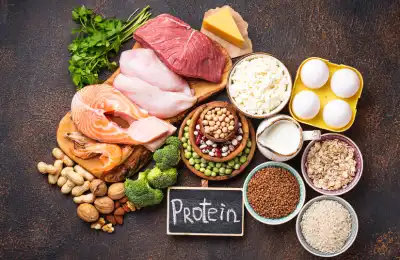
A healthy ADHD diet for adults focuses on balance, energy, and brain health. Here are some of the best foods for ADHD:
- Protein-rich foods like eggs, chicken, tofu, and fish help balance dopamine levels.
- Whole grains provide steady energy without sudden crashes.
- Fruits and vegetables add important vitamins and fibre.
- Omega-3-rich foods such as salmon, chia seeds, and walnuts support brain function.
- Healthy snacks like yoghurt, nuts, and fruit keep hunger steady between meals.
- A filling, healthy breakfast that combines protein, fibre, and slow-release carbs will fuel you through the day.
Foods to Avoid with ADHD
While diet isn’t a cure for ADHD, some foods can worsen symptoms like hyperactivity or poor focus. If you’re wondering what foods to avoid, the main culprits are:
- Sugary foods and drinks – They cause energy spikes and crashes.
- Highly processed snacks – These can interfere with focus and mood.
- Caffeine in excess – It can worsen anxiety or restlessness.
- Artificial colours and preservatives – Some people report increased hyperactivity or irritability after eating these.
Reframing Your Relationship with Food
Living with ADHD means your brain works differently, and that’s not a bad thing. Understanding why overeating or cravings happen gives you the power to make choices that work for you, not against you.
It’s about compassion rather than control. Food can be both enjoyable and nourishing, and by building self-awareness and supportive habits, you can create a more balanced relationship with eating.
How to Stop Overeating with ADHD
There’s no one-size-fits-all solution, but small, practical steps can make a big difference. Here are some strategies to help you stop ADHD overeating and feel more in control:
- Eat regularly – Don’t skip meals; aim for structure.
- Notice triggers – Ask yourself if you’re truly hungry or just seeking stimulation.
- Slow down – Put down your fork between bites and check in with how you feel.
- Prepare balanced snacks – Keep healthy options close to hand.
- Stay hydrated – Thirst can feel like hunger.
- Seek support – If bingeing feels out of control, a therapist or ADHD coach can help you manage patterns around food.
Recommended for you!
Best Sellers




Study ADHD Awareness for £29
If you’d like to understand ADHD in greater depth, from how it affects focus and emotions to how to manage everyday challenges, our ADHD Awareness Diploma Course is a great next step. This online course is designed for anyone who wants to better understand ADHD, whether for personal insight or to support someone else. You can currently enrol for a discounted price of just £29!