A traditional German wedding celebrates marriage as both a romantic bond and a practical partnership. The rituals feel purposeful and meaningful, turning simple moments into lasting memories.
German wedding customs often appeal because they value symbolism and substance over extravagance, offering a thoughtful and grounded way to celebrate lifelong commitment.
What’s in This Guide?
This guide explores the cultural foundations of marriage in Germany before taking a closer look at eight well-known wedding customs. We also answer common questions about German marriage traditions, wedding rings, gifts, and engagement practices.
Jump to:
- Marriage Culture in Germany
- 8 German Wedding Customs
- The Civil Wedding Ceremony
- Polterabend and the Breaking of Porcelain
- Sawing the Log Together
- Wedding Rings and the Right-Hand Tradition
- Traditional German Wedding Attire
- Wedding Gifts and Giving Money
- The Bridal Crown and Symbolic Headwear
- Community Celebrations and Shared Meals
- Frequently Asked Questions
- Study Our Wedding Planner Business Diploma for £29
Marriage Culture in Germany
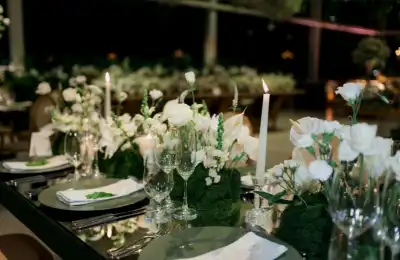
In Germany, marriage is not viewed as a purely romantic milestone, but as a practical partnership where both people share responsibility for their life together. This outlook influences everything from legal requirements to symbolic rituals performed on the wedding day.
German couples often prioritise mutual respect and clear communication, and weddings tend to reflect these values, combining heartfelt celebration with meaningful traditions that reinforce the importance of teamwork.
8 German Wedding Customs

German wedding traditions vary slightly by region, but many rituals are recognised across the country. Together, they create a wedding experience that celebrates love and shared effort.
1. The Civil Wedding Ceremony
One of the defining wedding customs in Germany is the civil ceremony at the registry office, known as the Standesamt. This ceremony is legally required and must take place before any religious or symbolic celebration. For many couples, this moment carries deep significance, as it represents the official beginning of married life.
The civil wedding ceremony in Germany is often intimate and personal, with carefully chosen words and a calm, respectful atmosphere. While it may appear simple, it reflects the German belief that marriage is a serious and intentional commitment.
2. Polterabend and the Breaking of Porcelain
The Polterabend is one of the most recognisable German wedding customs. Friends and family gather to break porcelain dishes outside the couple’s home or venue. Glass is never included, as it symbolises fragility and bad fortune.
Once the plates are smashed, the couple cleans up together. This ritual represents the idea that challenges are inevitable in marriage, but facing them as a team strengthens the relationship. This shared effort is a recurring theme in German marriage customs.
3. Sawing the Log Together
Sawing a wooden log together, known as Baumstamm sägen, is a powerful symbol of cooperation. The couple must work in sync to complete the task, showing patience, coordination, and mutual effort. This ritual reflects the belief that marriage requires practical teamwork as much as emotional connection.
4. Wedding Rings and the Right-Hand Tradition
Engagement rings are common in Germany, though they are often simple and understated. Many couples choose plain bands rather than elaborate designs. These rings may later become the wedding bands, moved from the left hand to the right hand during the ceremony.
5. Traditional German Wedding Attire
German wedding attire varies by region and personal preference. While modern white dresses and suits are popular, traditional clothing remains meaningful in some areas. Brides may wear a Dirndl, while grooms choose Lederhosen, particularly in Bavaria. Historically, brides often wore black dresses to symbolise durability and lifelong commitment.
6. Wedding Gifts and Giving Money
Money is a widely accepted and appreciated wedding gift in Germany, often presented creatively in decorative envelopes. This reflects a practical mindset, helping couples build their future together.
7. The Bridal Crown and Symbolic Headwear
In some regions, brides wear a crown made from flowers, greenery, or metal, symbolising honour and personal integrity. Historically, unmarried women wore crowns, while married women covered their hair.
8. Community Celebrations and Shared Meals
German weddings often include long communal meals, music, and informal gatherings that allow guests to connect. These celebrations reflect the importance of community support in marriage. Rather than focusing on spectacle, wedding customs in Germany emphasise inclusion and shared joy.
Recommended for you!
Best Sellers







Frequently Asked Questions
Are German weddings usually religious or non-religious?
German weddings can be religious or non-religious, depending on personal beliefs and family traditions. While Germany has Christian roots, many modern couples choose a civil ceremony only, with no religious element. Religious services, when included, are often seen as symbolic rather than legally binding, as the civil ceremony is the official requirement.
How long do German wedding celebrations usually last?
German weddings often last an entire day and can extend into the early hours of the morning. It’s common for celebrations to include multiple courses, speeches, games, and dancing. Some weddings also span several days, especially when pre-wedding events such as the Polterabend are included.
Are there specific wedding games or activities in German weddings?
Wedding games are a popular feature of German wedding celebrations. These activities are usually organised by friends or family and are designed to entertain guests while symbolising aspects of married life. Games often involve problem-solving and humour, reinforcing the idea of partnership and shared responsibility.
Is punctuality important at German weddings?
Punctuality is taken seriously at German weddings, particularly for the civil ceremony. Guests are expected to arrive on time, as ceremonies usually begin exactly as scheduled. This reflects broader cultural values around organisation and reliability.
Do German weddings follow strict traditions, or are they flexible?
German weddings are generally flexible and adaptable. While traditional rituals remain meaningful, many couples personalise their celebrations to reflect blended cultures and individual preferences. It’s common to see traditional customs combined with contemporary elements, creating ceremonies that feel both respectful and personal.
Are children usually invited to German weddings?
Children are often welcome at German weddings, especially during daytime celebrations. Many weddings include family-friendly elements, and it’s not unusual for children to remain present throughout the event. That said, guest lists and arrangements depend on the couple’s preferences and the style of the celebration.
Study Our Wedding Planner Business Diploma for £29
If you want to turn knowledge into a rewarding career, the Wedding Planner Business Diploma Course is available for a discounted price of just £29.
If you would also like to join our learning community, unlock exclusive discounts, and receive expert tips, you can sign up for our mailing list.